
The Trump administration has for months increased pressure on the Maduro government through a series of diplomatic and military maneuvers.
Isabela Espadas Barros Leal and Genevieve Glatsky
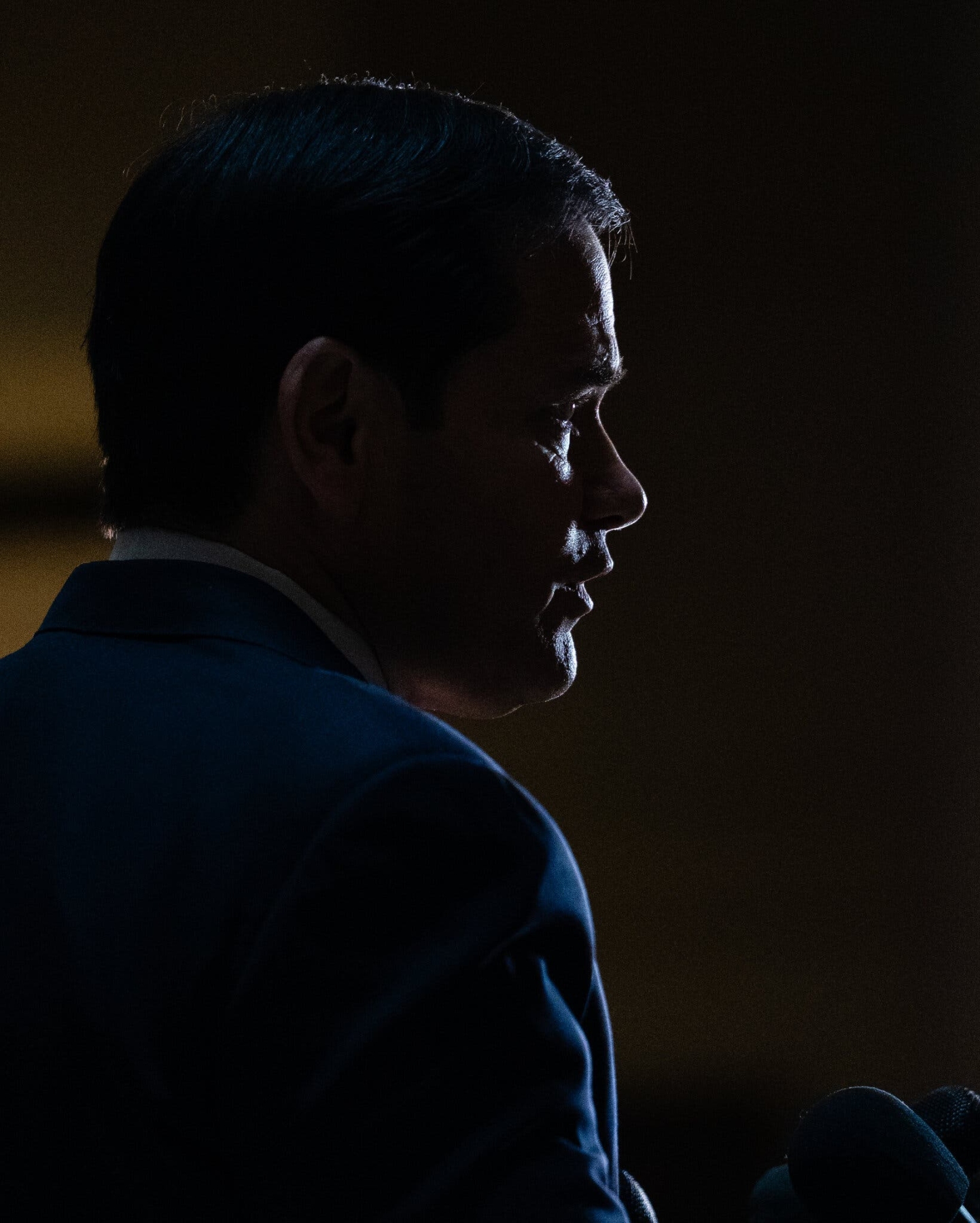
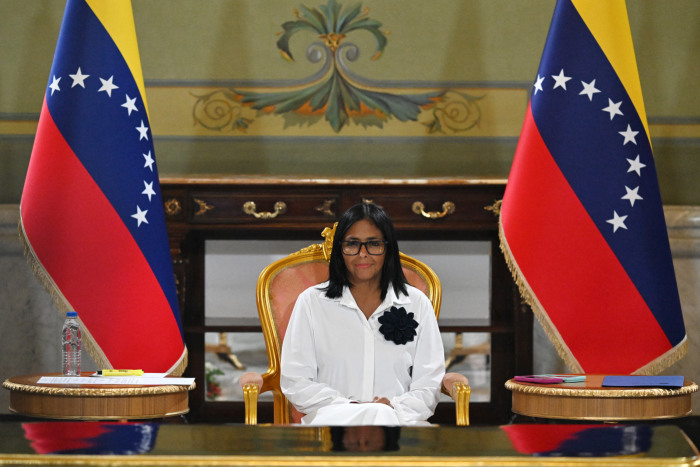
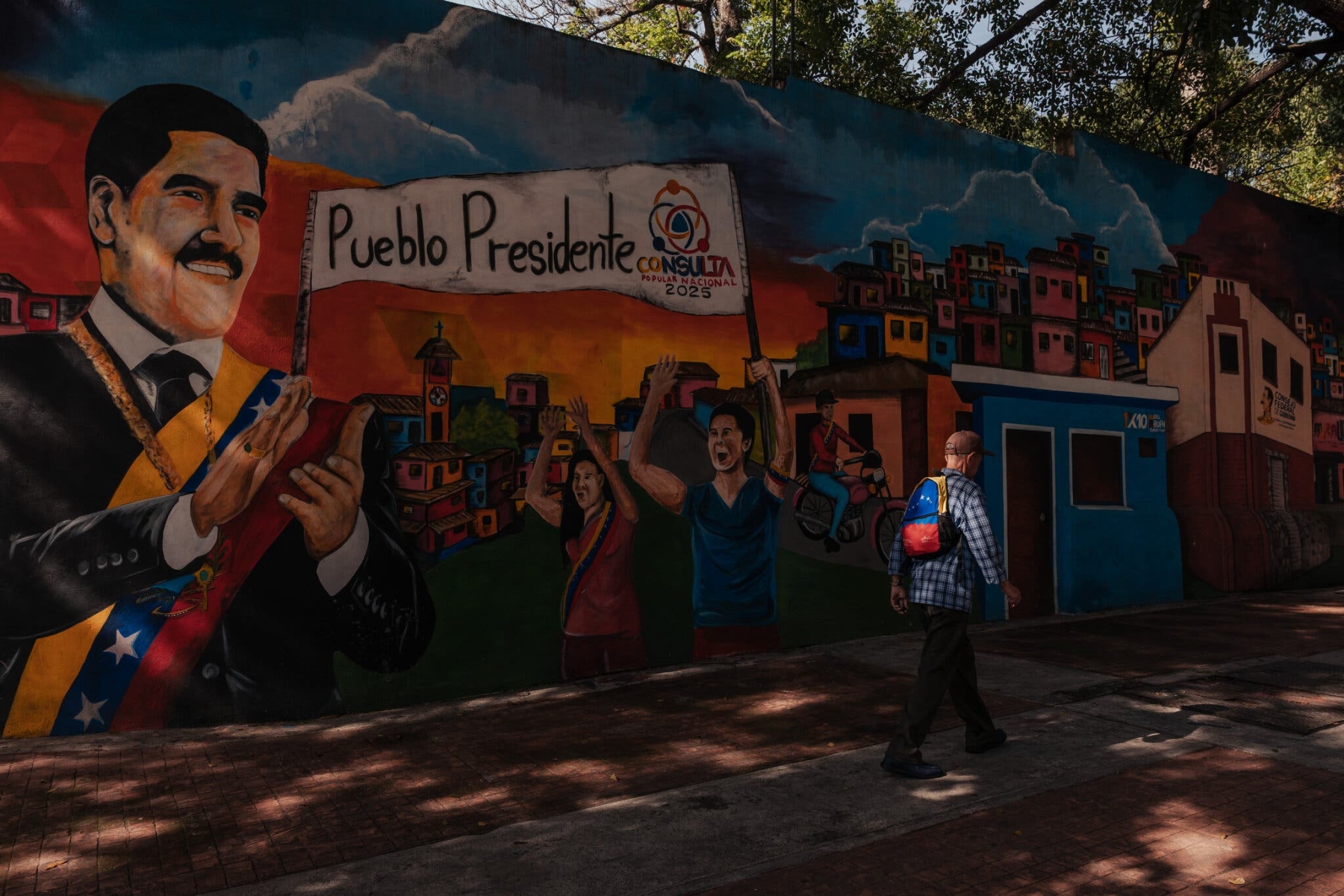
President Trump on Saturday announced the capture of the authoritarian leader of Venezuela, Nicolás Maduro, in a U.S. military operation that appeared to be the culmination of a campaign against Mr. Maduro by the president and other top American officials.
His capture came after months of deadly strikes on supposed drug-carrying boats, the seizure of two tankers carrying Venezuelan oil and a U.S. military buildup off the South American country’s shores.
Here are some of the events that led to the breakdown in relations between the United States and Venezuela, and the effort to force Mr. Maduro from power.
March 2020: During Mr. Trump’s first term, the Justice Department indicted Mr. Maduro in a narco-terrorism and cocaine-trafficking conspiracy in which, prosecutors said, he helped lead a violent drug cartel that lasted for decades. Mr. Maduro condemned the charges, denying any involvement with drug trafficking.
July 2024: After a vote riddled with irregularities, Mr. Maduro was declared the winner of Venezuela’s 2024 presidential election. Independent monitors said the election was marred by fraud and that an opposition leader, Edmundo González, was its legitimate winner.
January 2025: The Biden administration recognized Mr. González, who had fled Venezuela after the election and was living in exile in Spain, as the legitimate leader of Venezuela as part of an effort to further isolate Mr. Maduro.
July: The Trump administration added Cartel de los Soles, which it described as a “Venezuela-based criminal group,” to a list of global terrorist groups and declared that Mr. Maduro was its leader. The Treasury Department said that Cartel de los Soles “provided material support” to Tren de Aragua, another cartel linked to Venezuela that the administration had designated as a foreign terrorist organization.
The administration treats Cartel de los Soles as an organized group, but some experts on Latin American crime characterize it as a network of corruption in Venezuela’s military and government.
Also in July, Mr. Trump signed a secret order directing the American military to use force against Latin American drug cartels that his administration identified as terrorist organizations.
August: The Pentagon began dispatching warships, fighter jets and thousands of troops into the Caribbean near Venezuela, increasing tensions in the region.
Aug. 7: Attorney General Pam Bondi announced that the United States government had increased its reward for information leading to the arrest of Mr. Maduro to $50 million.
Sept. 2: Mr. Trump ordered a deadly strike on a Venezuelan boat that he claimed was carrying “terrorists” who were members of Tren de Aragua over international waters. Mr. Maduro later called the strike, which killed 11 people, a “heinous crime” and said the United States should have captured those onboard if they were believed to be transporting drugs.
The American military struck two other small vessels in September, killing six more people, including one who was said to be a Colombian citizen. The strikes have been widely criticized as illegal.
Sept. 4: Two Venezuelan F-16 fighter jets flew over American warships in the Caribbean in a show of force after the first deadly boat strike, a move the Pentagon described as “highly provocative.”
Sept. 6: Mr. Maduro sent a letter to Mr. Trump insisting that his country did not export drugs. Karoline Leavitt, the White House press secretary, later said that the White House had seen the letter but that it did not change the administration’s position on Venezuela.
Oct. 2: Mr. Trump instructed Richard Grenell, a special presidential envoy and the president of the Kennedy Center, to stop all diplomatic outreach to Venezuela. Mr. Grenell had been trying to negotiate a deal with Mr. Maduro that would have secured U.S. companies’ access to Venezuelan oil.
Oct. 8: Republicans in the Senate rejected a resolution to bar Mr. Trump from using military force against boats in the Caribbean Sea.
Oct. 15: Mr. Trump acknowledged that he had authorized the C.I.A. to conduct covert action in Venezuela, telling reporters that the administration was “certainly looking at land now, because we’ve got the sea very well under control.” The Venezuelan government said it would raise the matter with the United Nations Security Council.
Oct. 16: The U.S. military carried out a strike on a semisubmersible vessel in the Caribbean Sea, killing two men on board. Two other men were rescued by the U.S. military and repatriated within days to Colombia and Ecuador.
Oct. 17: The U.S. military said it killed three men and destroyed another boat it suspected of running drugs in the Caribbean Sea, this one alleged to have been affiliated with a Colombian insurgency group. It was the seventh boat known to have been attacked since early September.
Oct. 21: The United States struck a vessel that American officials suspected of carrying drugs in the Pacific Ocean off the coast of Colombia, expanding the Trump administration’s campaign past the Caribbean Sea. The strike killed two or three people, a U.S. official said. A second Pacific strike announced a day later killed three more people.
Oct. 23: Mr. Trump said at a news conference that he would not seek congressional approval for military strikes against drug cartels. “I don’t think we’re going to necessarily ask for a declaration of war,” Mr. Trump said, adding: “I think we are going to kill people that are bringing drugs into our country, OK?”
Oct. 24: The Pentagon announced that the aircraft carrier Gerald Ford and its accompanying warships and attack planes would be deployed to waters near Latin America. It came one day after two Air Force B-1 bombers flew near Venezuela.
Oct. 27: Another round of strikes on vessels in the Pacific killed 15 people. Defense Secretary Pete Hegseth initially said one person had survived, but he was presumed dead after Mexican officials failed to find anyone in the water.
Oct. 31: María Corina Machado, Venezuela’s de facto opposition leader — who was awarded the Nobel Peace Prize in October — told Bloomberg News that she had “no doubt that Nicolás Maduro, Jorge Rodríguez and many others are the masterminds of a system that has rigged elections in many countries, including the U.S.” The comments, which have been widely debunked, were criticized by former diplomats as well as critics of Mr. Maduro for seeming to provide justification for a potential invasion by the United States.
Nov. 2: Mr. Trump said in an interview on CBS News’s “60 Minutes” that he doubted the United States would go to war with Venezuela but would not fully rule out the possibility of land strikes. He accused Venezuela of treating the United States “very badly” and, when asked if Mr. Maduro’s days in office were numbered, said, “I would say yeah.”
Nov. 6: The United States struck a boat in the Caribbean, killing three people. That strike came after two others on the first week of November, one in the Caribbean and one in the Pacific, that killed five people.
Nov. 12: The United States carried out its 20th strike against the purported drug cartels. The strike killed four people and brought the total known death toll to 80.
Nov. 28: The New York Times reported that Mr. Trump and Mr. Maduro had spoken late the previous week, in a phone call that also included Mr. Rubio. The leaders discussed a possible meeting in the United States, though no plans were announced.
Nov. 29: Mr. Trump said on social media that the airspace “above and surrounding Venezuela” should be considered “closed in its entirety.” The president has no authority over Venezuelan airspace, but his post was expected to deter airlines from flying to the country.
Dec. 2: Mr. Hegseth addressed mounting concerns about the legality of the first strike on a Caribbean vessel, citing “the fog of war” in response to questions about whether the U.S. military committed a war crime when it killed two survivors of that attack in a second strike. Mr. Hegseth said he did not personally see survivors of the first strike and that Adm. Frank M. Bradley, the commander of the operation, ordered the second strike.
Dec. 4: A strike in the Eastern Pacific killed four people at a moment of heightened scrutiny over the legality of the U.S. military’s campaign, and nearly two weeks since the previous boat attack.
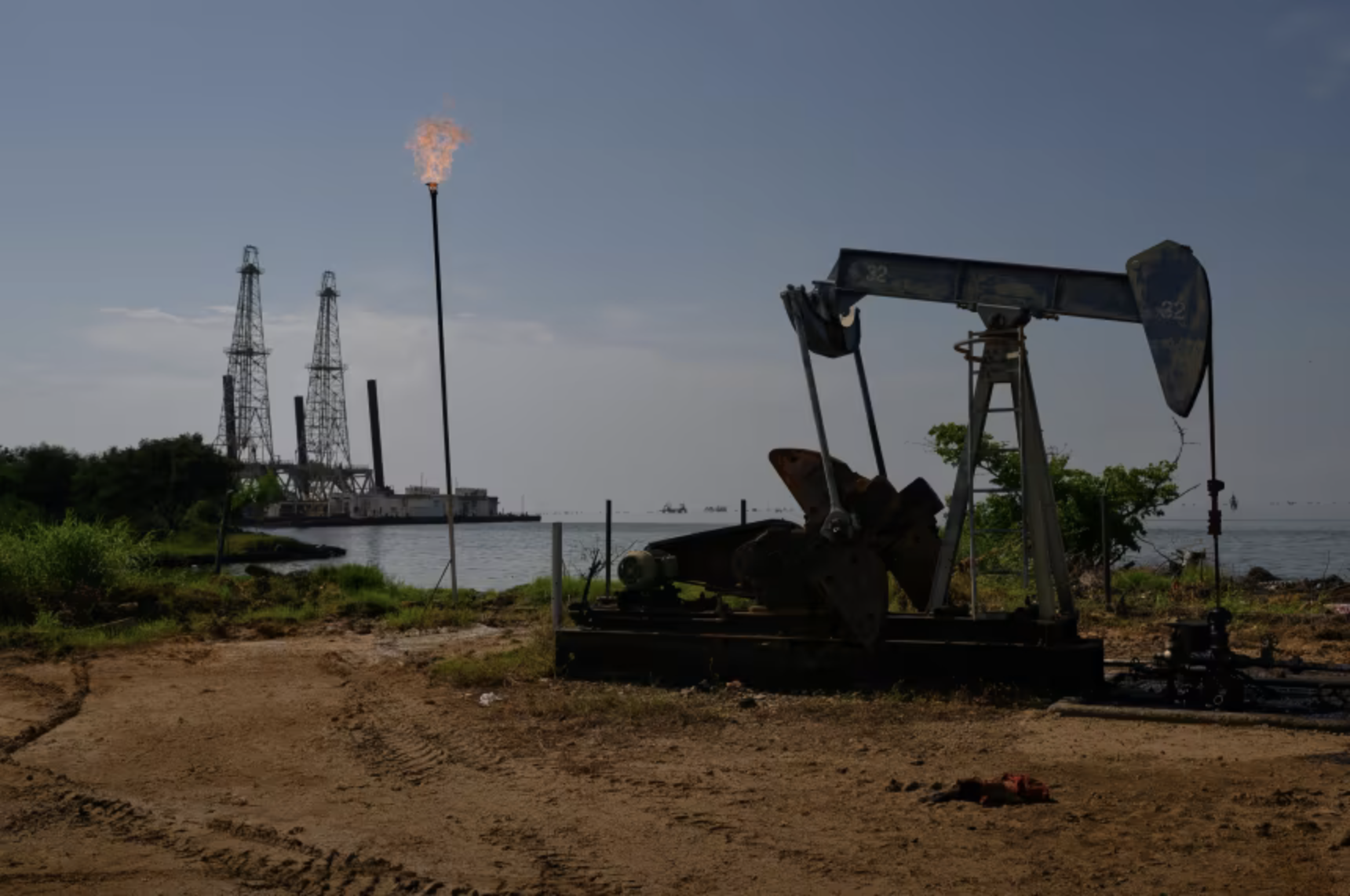
Dec. 10: Mr. Trump announced that the U.S. had seized a sanctioned oil tanker off the coast of Venezuela. U.S. officials said they expected additional seizures in the coming weeks, asserting that they were part of the Trump administration’s efforts to weaken Mr. Maduro’s government by undermining its oil market. One of the officials said that though the ship was carrying Venezuelan oil, it was seized because of its past links to smuggling illicit Iranian oil.
Dec. 11: Ms. Machado appeared in Oslo hours after missing the ceremony that awarded her the Nobel Peace Prize. Her emergence after more than a year in hiding thrust the opposition back onto the global stage at a volatile moment in U.S.-Venezuela relations. That same day the U.S. imposed new sanctions on Venezuela’s oil sector and on relatives of Mr. Maduro while moving to block tens of millions of dollars’ worth of oil aboard the seized oil tanker.
Dec. 15: The U.S. military struck three boats in the Eastern Pacific, killing eight people, in one of the deadliest days of the campaign. The military said the boats were traveling along a known narco-trafficking route.
Dec. 16: Mr. Trump ordered a “complete blockade” of sanctioned oil tankers entering or leaving Venezuela. In a social media post, Mr. Trump said Venezuela was “completely surrounded” by a growing U.S. naval presence, sharply escalating his efforts to disrupt the country’s oil exports. The move prompted Mr. Maduro to dispatch naval escorts for oil shipments sailing toward Asia.
Dec. 20: The U.S. Coast Guard tried to intercept the Bella 1, a stateless tanker under U.S. sanctions, for past Iranian oil shipments. Personnel on the ship did not allow it to be boarded and the vessel fled northeast into the Atlantic while broadcasting distress signals.
The Coast Guard also stopped and detained the Centuries, a Panamanian-flagged vessel carrying Venezuelan oil for a China-based trader. It was unclear how long the United States intended to detain the Centuries, as American authorities did not have a warrant to take possession of it.
Dec. 22: The U.S. military said a strike in the eastern Pacific targeted a boat that had been transporting drugs along known trafficking routes. One person was killed.
Dec. 23: Over several days, the U.S. military intensified operationsin the Caribbean, sending multiple C-17 transport flights from bases across the country and Japan to Puerto Rico.
Late December: In the first known U.S. operation inside Venezuela, the C.I.A. carried out a drone strike on a port facility sometime during the fourth week of December, likely on Dec. 24. The strike hit a dock purportedly used for shipping narcotics and it did not kill anyone, people briefed on the operation said. News of the strike first came to light on Dec. 26, when Mr. Trump said in a radio interview that the U.S. had destroyed “a big facility” as part of its campaign against Venezuela.
Dec. 29: A strike on a boat in the Eastern Pacific killed two people, according to the U.S. Southern Command. The command said on social media that the boat was engaged in “narco-trafficking operations.”
Dec. 30: Three people were killed aboard one boat during strikes on three boats traveling in a chain, according to the U.S. Southern Command, which announced the operation a day later.
Dec. 31: The U.S. military killed five people in a strike on two boats, the Southern Command said. The command did not provide further information about the boats’ location.
As of Dec. 31, at least 115 people had been killed in 35 boat strikes since Sept. 2.
Jan. 2: President Trump announced on social media that the United States had captured Mr. Maduro and was flying him out of Venezuela. Mr. Trump’s announcement came hours after the government of Venezuela accused the United States of carrying out military attacks in the capital, Caracas, and other parts of the country, and after large explosions were reported at a military base in the city.
Anushka Patil contributed reporting.
Genevieve Glatsky is a reporter for The Times, based in Bogotá, Colombia.