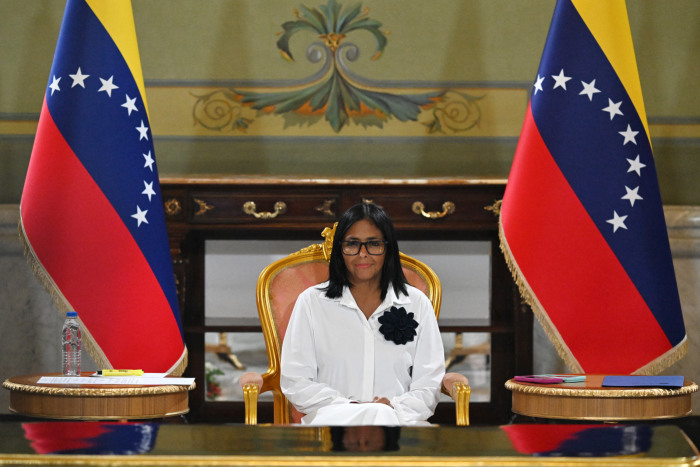

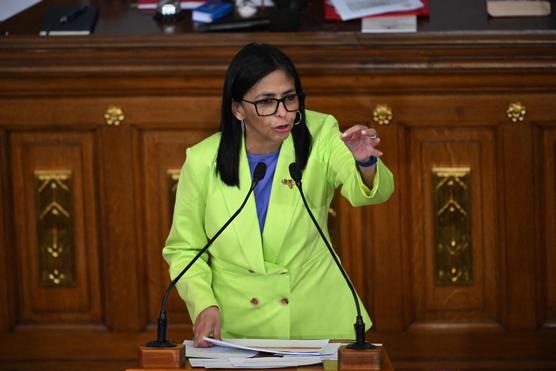
Delcy Rodriguez would be the first sitting Venezuelan president to visit the US in more than 25 years. She said that her country was 'in the process of dialogue' with the US to 'confront our differences and difficulties.'
Le Monde with AFP
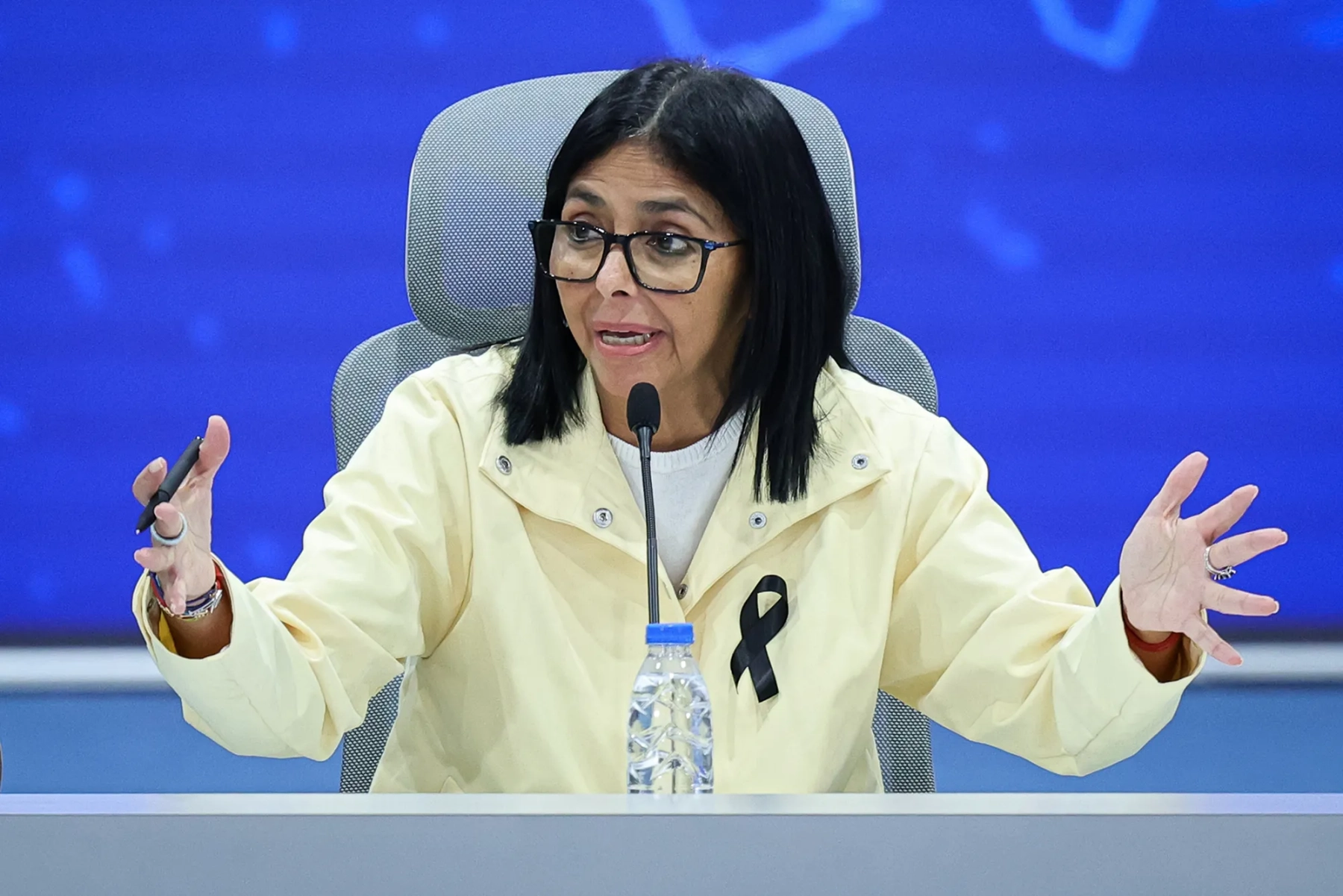
Venezuela's interim president will soon visit the United States, a senior US official said on Wednesday, January 21, further signaling President Donald Trump's willingness to embrace the oil-rich country's new leader. Delcy Rodriguez would be the first sitting Venezuelan president to visit the United States in more than a quarter century, aside from presidents attending United Nations meetings in New York.
She said, on Wednesday, that she approached any dialogue with the United States "without fear." "We are in a process of dialogue, of working with the United States, without any fear, to confront our differences and difficulties (...) and to address them through diplomacy," said Rodriguez.
A senior White House official said Rodriguez would visit soon, but no date has been set. The invitation reflects a head-snapping shift in relations between Washington and Caracas since US Delta Force operatives swooped into Caracas, seized President Nicolas Maduro and spirited him to a US jail to face narcotrafficking charges.
As a flotilla of US warships remains off the Venezuelan coast, she has allowed the US to broker the sale of Venezuelan oil, facilitated foreign investment and released dozens of political prisoners.
On Wednesday, she also began reorganizing the leadership of the country's military forces, appointing 12 senior officers to regional commands.
All for oil
Rodriguez was a former vice president and long-time insider in Venezuela's authoritarian and anti-American government, before changing tack as interim president. She is still the subject of US sanctions, including an asset freeze.
The last bilateral visit by a sitting Venezuelan president came in the 1990s, before populist leader Hugo Chavez took power. Since then, successive Venezuelan governments have made a point of thumbing their nose at Washington and building close ties with US foes in China, Cuba, Iran and Russia.
The US trip, which has yet to be confirmed by Venezuelan authorities, could pose problems for Rodriguez inside the government, where some hardliners still detest what they see as Washington's hemispheric imperialism. Interior Minister Diosdado Cabello and Defense Minister Vladimir Padrino Lopez remain powerful forces in the country, and analysts say their support for Rodriguez is not a given.
Cabello, on his weekly state television program on Wednesday night, denied reports he had met with US officials ahead of Maduro's ouster. "It's a campaign. They say, 'Diosdado met with the United States' (...) I haven't met with anyone," he said.
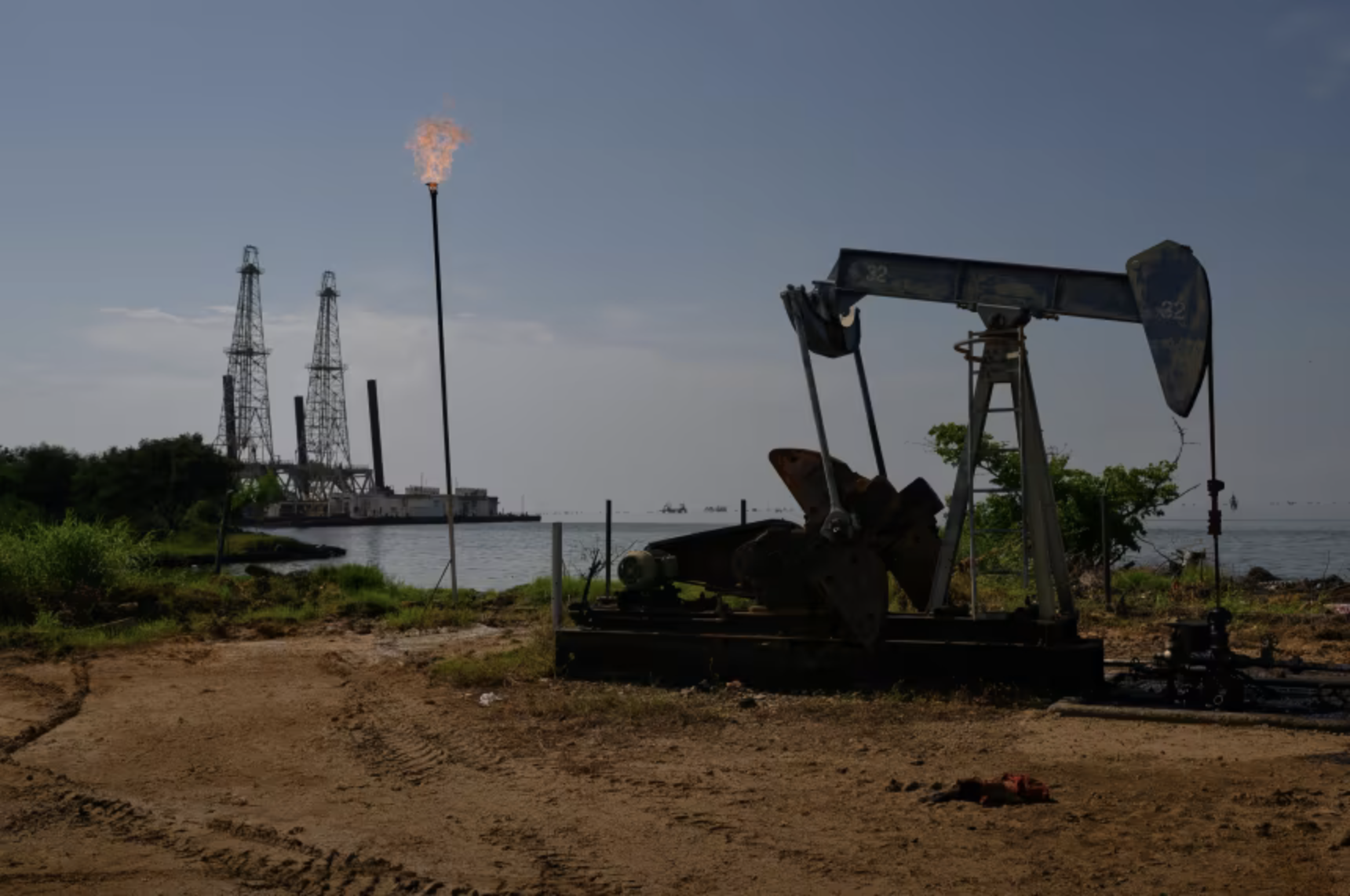
Trump has so far appeared happy to allow Rodriguez and much of the repressive government to remain in power, so long as the United States has access to Venezuelan oil, the largest proven reserves in the world.
Trump hosted Venezuela's exiled opposition leader and Nobel peace laureate Maria Corina Machado at the White House earlier this month. After initially dismissing Machado and her ability to control the country's powerful armed forces and intelligence services, he said Tuesday that he would "love" to have her "involved in some way."
Machado's party is widely considered to have won 2024 elections that Washington said were stolen by Maduro.
Trump's stance has, however, angered democracy activists who argue that all political prisoners must be freed and granted amnesty, and Venezuela must hold fresh elections.