Patrick Wintour Diplomatic editor
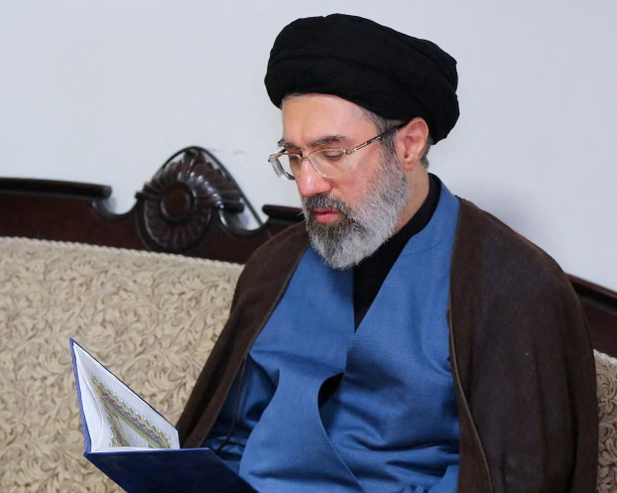
Mojtaba Khamenei, the second son of the assassinated Ali Khamenei, is being heavily tipped to succeed his father as supreme leader of Iran, which would pitch a hardliner into the task of steering the Islamic republic through the most turbulent period in its 48-year history and offer a powerful signal that, for now, it has no intention of changing course.
No official confirmation has been given and the announcement may be delayed until after the funeral of Ali Khamenei, which was on Wednesday postponed.
His son is believed to have been the choice of the Islamic Revolutionary Guard Corps (IRGC), and the Israeli defence minister, Gideon Saar, has warned he will be assassinated.
Ayatollah Seyed Khatani, a member of the Assembly of Experts, the body that chooses the new supreme leader, said the assembly was close to selecting a leader.
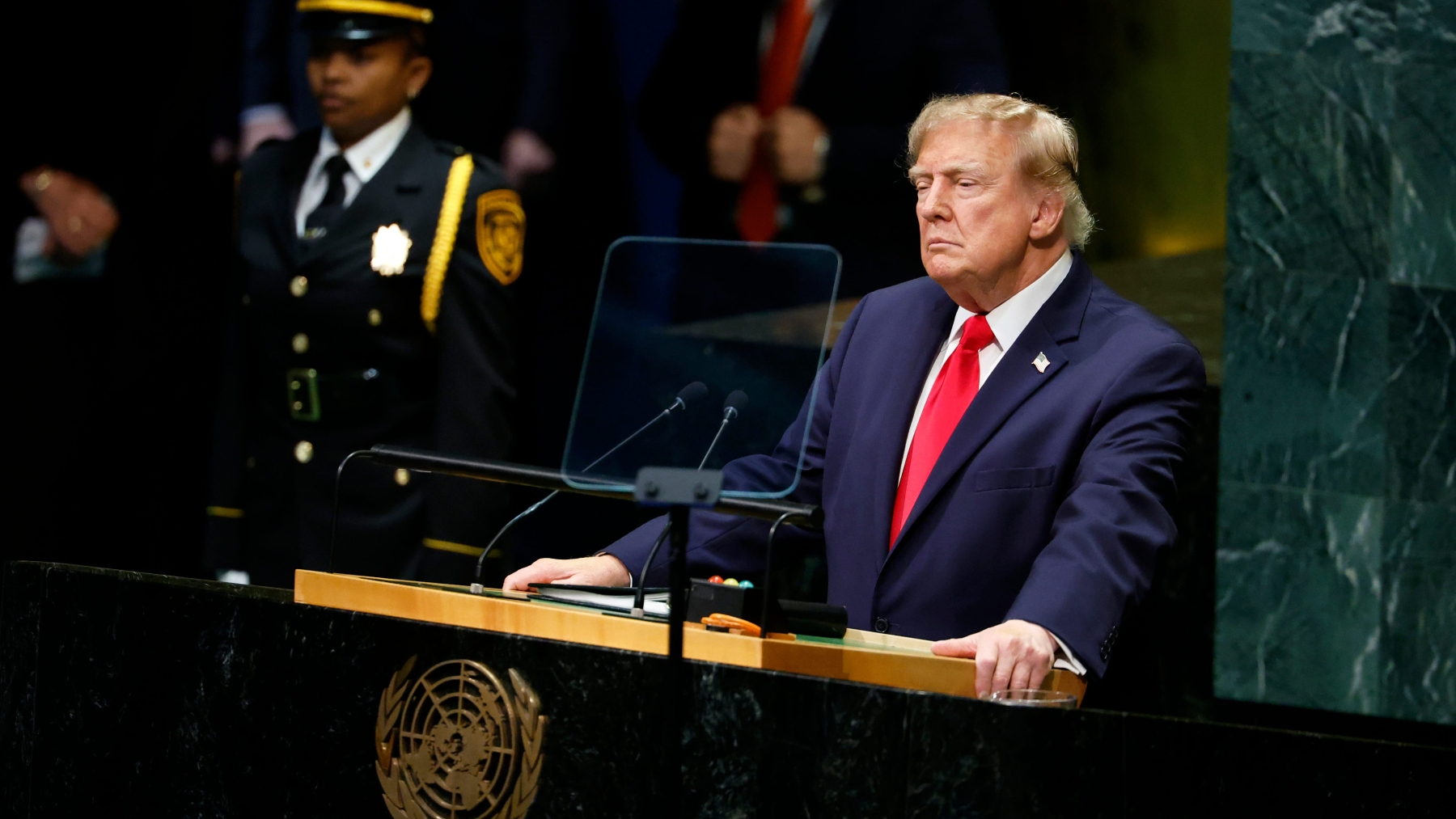
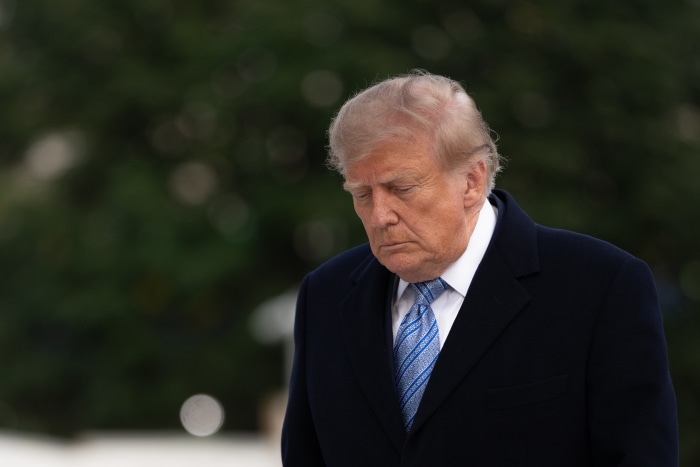
Rigid in his anti-western views, Mojtaba Khamenei is not the candidate Donald Trump would have wanted. Marco Rubio, the US secretary of state, said on Tuesday that Iran was run by “religious fanatic lunatics” – and Khamenei’s appointment is hardly likely to dispel that opinion.
'They were going to attack first': Trump gives update on Iran – video
The choice of supreme leader is made by the 88-strong Assembly of Experts, who in this case are picking from a field of six possible candidates. His election would be a powerful if unsurprising symbol that the government is not looking to find an accommodation with America.
Trump has said the worst-case scenario would be if Khamenei’s successor was “as bad as the previous person”.
There has been speculation for more than a decade that he would be his father’s successor, which grew when Ebrahim Raisi, the elected president and favourite of Khamenei, was killed in a helicopter crash.
Mojtaba Khamenei was born in 1969 and studied theology after graduating from high school. At the age of 17, he went to serve in the Iran-Iraq war, but it was not until the late 1990s that he came to be recognised as a public figure in his own right.
After the landslide defeat of Khamenei’s preferred candidate, Ali Akbar Nategh Nuri, in the 1997 presidential election, where he won only 25% of the final vote, various conservative Iranian groups realised the need to make changes to their structures and Mojtaba Khamenei was central to that project.
He was also seen as instrumental by reformists in suppressing the protests in 2009 that came after allegations the presidential election had been rigged, with his name chanted in the streets as one of those responsible. Mostafa Tajzadeh, a senior member of Iran’s reformist parties who was imprisoned after the vote, alleged that his and his wife, Fakhr al-Sadat Mohtashamipour’s, legal case was under the direct supervision of Mojtaba Khamenei.
In 2022 he was given the title of ayatollah – essential to his promotion. By then he was a regular figure by his father’s side at political meetings, as well as playing an influential role in the Islamic Republic’s Broadcasting Corporation, the government’s official media outlet often criticised for churning out dull political propaganda that many Iranians reject in favour of overseas satellite channels. He has also played a central role in the administration of his father’s substantial financial empire.
His closest political allies are Ahmad Vahidi, the newly appointed IRGC commander; Hossein Taeb, a former head of the IRGC’s intelligence organisation; and Mohammad Bagher Ghalibaf, the current speaker of the parliament.
His rumoured appointment and its hereditary nature has long been resisted by reformists. The former prime minister Mir Hossein Mousavi, referring to the long history of rumours about Mojtaba Khamenei succeeding his father as leader, wrote in 2022: “News of this conspiracy have been heard for 13 years. If they are not truly pursuing it, why don’t they deny such an intention once and for all?”
The Assembly of Experts, in response, denounced “meaninglessness of doubts” and said the assembly would select only “the most qualified and the most suitable”.
Israel on Tuesday struck the building in the Iranian city of Qom, one of Shia Islam’s main seats of power, where the assembly was scheduled, but the building was empty, according to IRGC-affiliated media.