Network will have same owner as Bari Weiss’ CBS News if Paramount seals Warner takeover
On Tuesday last week, David Ellison attended President Donald Trump’s State of the Union as a guest of Lindsey Graham, and was photographed giving a thumbs-up alongside the Republican senator.
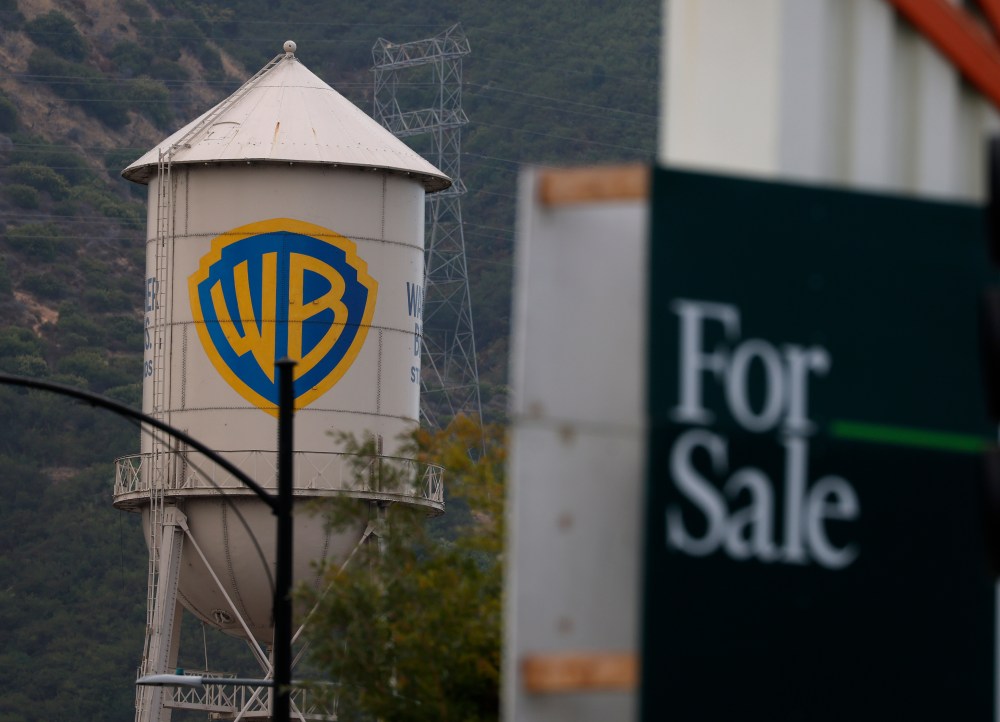
Two days later, staff at CNN were digesting news that their network was poised to become part of Ellison’s media empire after Netflix dropped out of a bidding war.
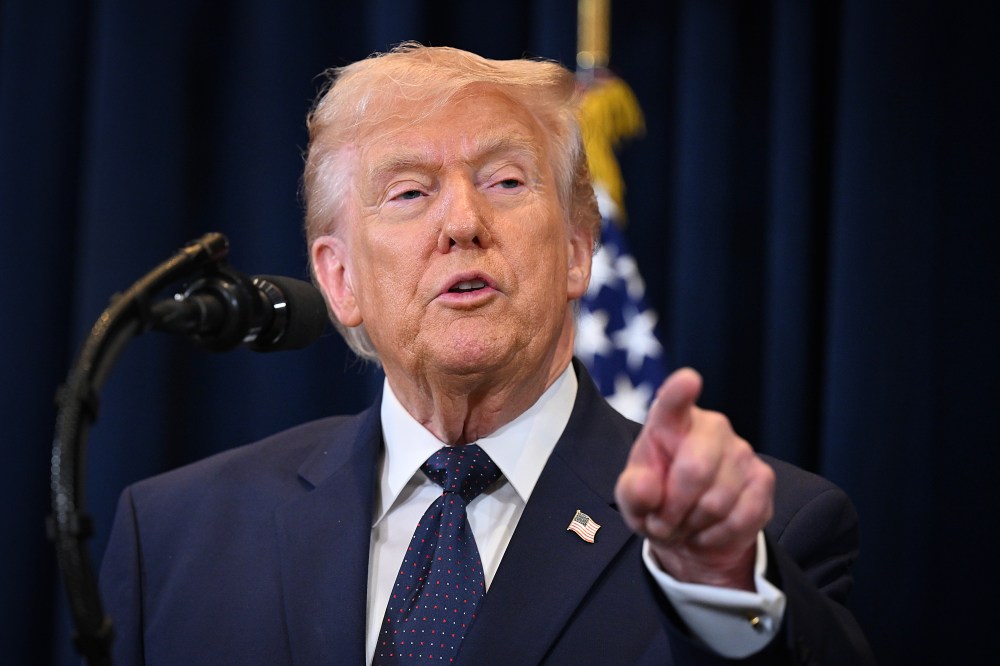
Paramount’s victory in the $100bn contest for Warner Bros Discovery hands CNN to leadership with ties to Trump, who has spent a decade attacking the network. In December, the president said that CNN should be sold because the people running the network were “either corrupt or incompetent”.
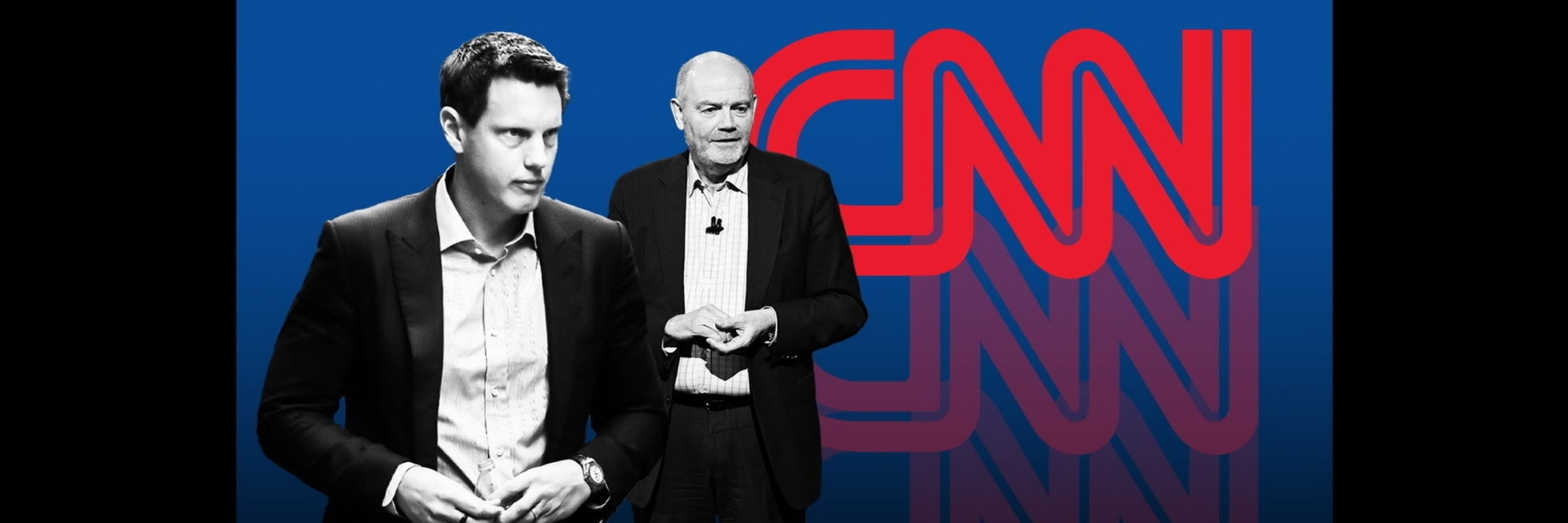
Ellison, the 43-year-old son of Oracle billionaire Larry Ellison, has no experience in journalism yet is set to control two of America’s most prominent news organisations.
In recent days CNN staff were left questioning what the future held under their new owner. One insider described a CNN town-hall meeting on Friday as a “very despondent, downbeat occasion”. Another CNN executive said that there was “shock” but also attempts to put a brave face on a deal that will have months of regulatory review: “Who knows where we all are by then.”

For some executives, the episode has echoes of an earlier battle over Warner’s ownership: the company’s sale to AT&T that was agreed in 2016, just before Trump first entered the White House.
Jeff Bewkes, who was Time Warner’s chief executive at the time, said that in January 2017 he and AT&T boss Randall Stephenson received overtures from the president-elect’s team through various intermediaries to “come over and talk” about CNN. The suggestion was that understanding the new administration’s concerns about “hostile coverage” would be useful, and addressing them would ease their opposition to the merger.
Bewkes said no government official directly demanded changes to CNN. Warner’s board considered the overtures and, with their support, Bewkes declined to meet the new administration to discuss CNN’s news coverage, believing it must remain independent.
The Department of Justice ultimately sued to block the AT&T-Time Warner deal. The challenge delayed completion and, according to Bewkes, cost shareholders $5bn because the value of AT&T’s stock, tied to a high dividend, declined as interest rates rose.
At the time, CNN was generating more than $1bn in annual profits and benefiting from surging ratings during the first Trump presidency. Since then, both audiences and revenues have declined as the cable television market contracts.

The change in CNN’s commercial position provides a different backdrop to the current sale, as Paramount is tasked with reviving a weaker asset while navigating regulatory review from a White House that has been openly hostile to the network.
Trump has loomed over the process. The Wall Street Journal reported in December that David Ellison told Trump administration officials during a recent visit that if he acquired Warner, he would make “sweeping changes” to CNN. Ellison has met Trump administration officials and discussed CNN’s news operations, according to people briefed on the meeting.
Trump recently lashed out at Netflix on social media, calling for the removal of board member Susan Rice. Last Thursday, Netflix co-chief executive Ted Sarandos was photographed leaving the White House; an hour later Netflix announced it had withdrawn from the contest.
“Once it was clear that we weren’t in the CNN business . . . [Trump] didn’t care that much more about our deal,” Sarandos later told Bloomberg.
Beyond the political manoeuvring, the deal also marks a reshaping of the US television news landscape.
Needham analyst Laura Martin wrote that the Paramount takeover would create “more Fox News competitors”. “We expect what is happening at CBS News today to occur at CNN in 2027, which implies a pivot to the right,” she said.

Fox executive chair Lachlan Murdoch on Monday said that “under the Ellisons, CNN obviously will be a strong competitor”, but added “we like competition” and “running news is hard”.
Even the man who orchestrated the deal, Warner chief David Zaslav, acknowledged the “whiplashy” feeling of Paramount’s sudden victory. “This all happened very quickly,” he told staff during a town hall.
Jim Acosta, a former CNN anchor who left the network last year, wrote on X: “America now has state-compromised media.”
CNN chief executive Mark Thompson attempted to calm the network’s newsroom. “Despite all the speculation you’ve read during this process, I’d suggest that you don’t jump to conclusions about the future until we know more,” he said in a memo seen by the FT.
Yet Thompson’s own future is uncertain. It is unclear whether he would remain once Paramount assumes control or whether Ellison would appoint new leadership.
Should the merger go ahead, CNN would be brought under the same roof as CBS News, the broadcaster that has been overhauled since being acquired by Ellison last summer.
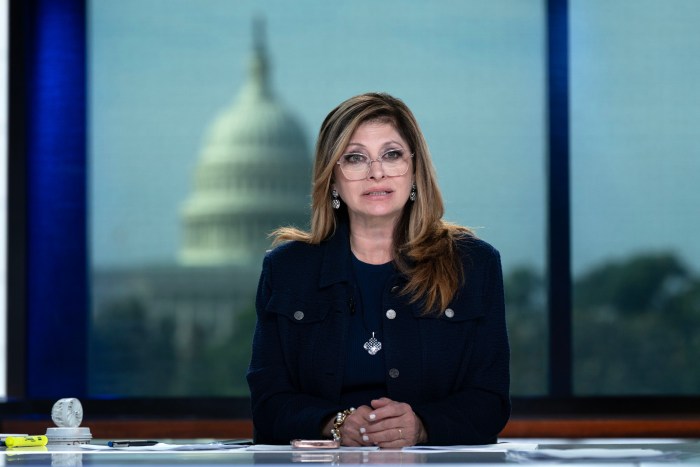
At CBS, Ellison installed Kenneth Weinstein, a former conservative think-tank executive with no prior newsroom experience, as an ombudsman. He also appointed Bari Weiss, a former New York Times opinion writer and founder of the Free Press, a start-up known for its anti-woke and pro-Israel positions, to lead CBS News — a move that signalled a shift in tone at the network.

It is unclear if Weiss would be given the job of running CNN, if Paramount completes its Warner takeover.
“I don’t think anybody believes [Thompson] will actually work for Bari Weiss and the team at CBS,” the CNN insider said.
Weiss’s tenure has been marked by restructuring and newsroom friction. She delayed the airing of a 60 Minutes story on an El Salvador prison where the Trump administration deported migrants, drawing internal criticism.
CBS host Stephen Colbert has also accused the company of blocking an interview with a Democrat politician amid concerns about political blowback.
Under Weiss, CBS Evening News introduced editorial principles including “We love America”, reflecting a more explicitly patriotic framing, while flagship shows such as 60 Minutes continue to broadcast hard-hitting investigative reporting.
One longtime media executive said integrating CNN and CBS — an idea that has been floated for decades — could make economic sense, likening it to Disney’s consolidation of ABC News and ESPN to reduce costs.
Brendan Carr, chair of the Federal Communications Commission, last week told a conference he thinks CBS is “doing a great job” under Ellison’s watch. This week he also signalled that the regulator would not seek to block Paramount’s takeover of Warner.
Democrat politicians have threatened an investigation into whether Ellison made promises to Trump about changes to CNN’s coverage. Senate minority leader Chuck Schumer and others wrote to Ellison last week asking him to preserve records of his communications with Trump and his administration.
However, Democrats are restricted to actions they could take unless they regain control of Congress in the midterm elections in November. Further, it is the Justice Department, rather than Congress, that has the power to block the deal.
Most immediately troubling for CNN staff is the prospect of job cuts if the takeover is cleared by regulators. Paramount has estimated $6bn in cost savings from the merger.
“A lot of people are very worried about their jobs,” said one insider. “It’s not a happy place.”