
US President Donald Trump says US forces have captured Venezuela’s president, with the vice president now demanding “proof of life”.
US President Donald Trump has confirmed a “large scale strike against Venezuela” and said the nation’s leader has been captured by US forces.
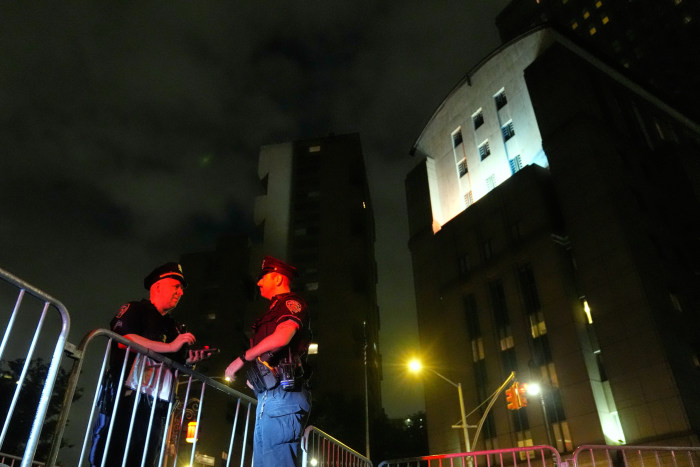
Mr Trump told Fox News that Venezuela President Nicolas Maduro and his wife were taken to the USS Iwo Jima - an American warship - by helicopter on Saturday morning local time. They are now being transported to New York where they will be indicted on narcoterrorism charges, he said.
“The United States of America has successfully carried out a large scale strike against Venezuela and its leader, President Nicolas Maduro, who has been, along with his wife, captured and flown out of the Country,” Mr Trump wrote on Truth Social just after 8pm AEDT on Saturday. “This operation was done in conjunction with U.S. Law Enforcement.”
He will hold a press conference at Mar-a-Lago at 11am local time (in the early hours of Sunday morning in Australia).
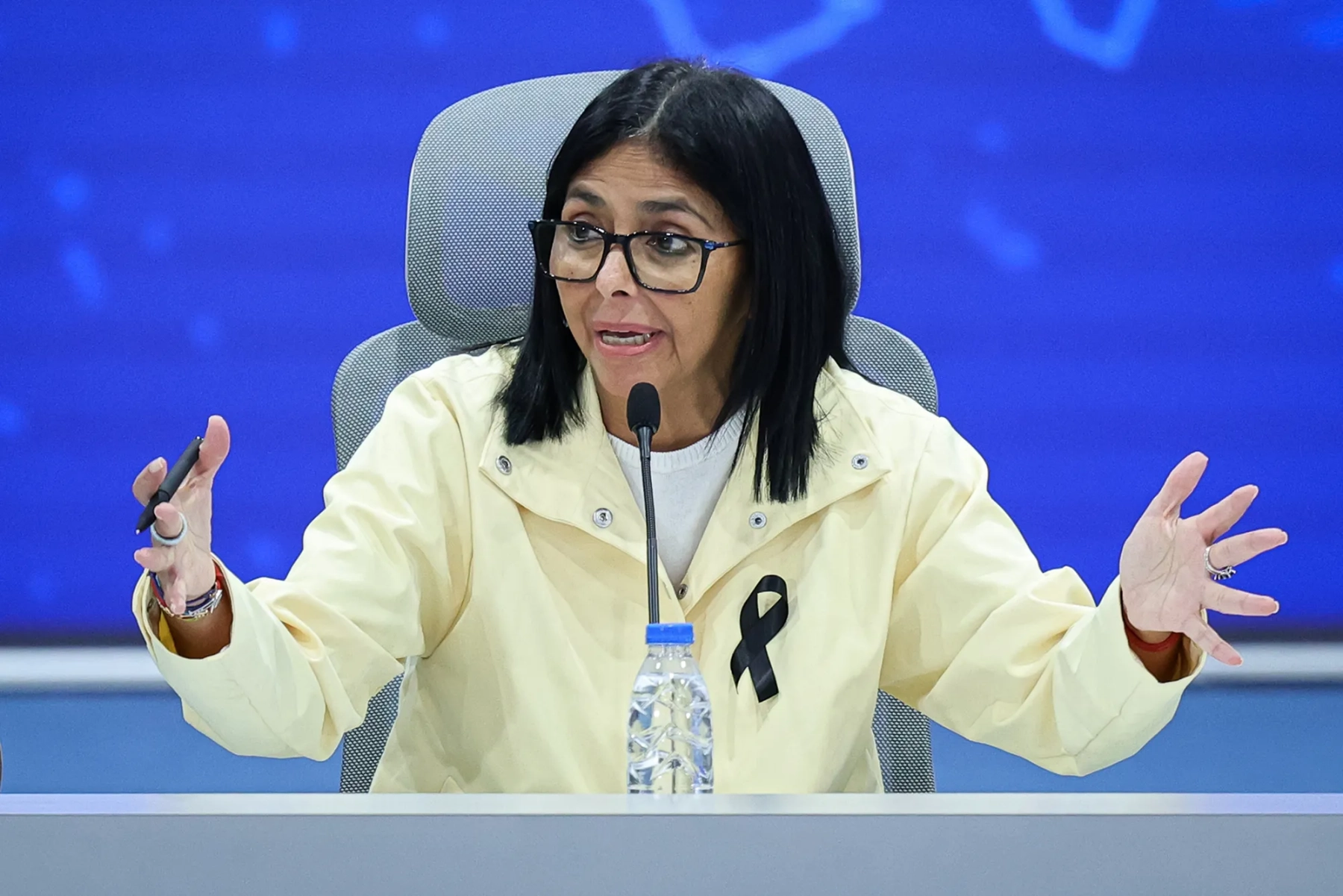
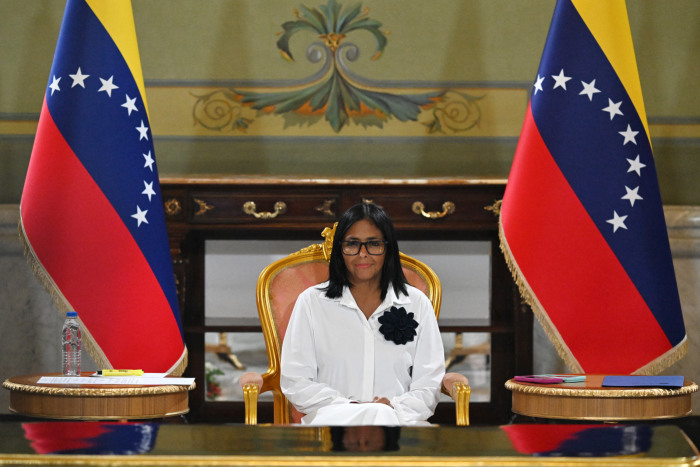
Venezuelan Vice President Delcy Rodriguez called on the US to issue “proof of life” of Mr Maduro.
Speaking by telephone to Venezuelan TV Ms Rodriguez said she did know the whereabouts of Mr Maduro and his wife, Cilia Flores, following a series of US strikes on the capital Caracas and other cities.
US Vice President JD Vance claimed in a post on X that the US president had “offered multiple off ramps, but was very clear throughout this process: the drug trafficking must stop, and the stolen oil must be returned to the United States”.
“Maduro is the newest person to find out that President Trump means what he says. Kudos to our brave special operators who pulled off a truly impressive operation,” Mr Vance wrote.
Venezuela has requested an urgent meeting of the United Nations Security Council and has declared a state of an emergency over what the government called an “extremely serious military aggression” by the US.
“Venezuela rejects, repudiates, and denounces before the international community the extremely serious military aggression perpetrated by the current government of the United States of America against Venezuelan territory and people,” Mr Maduro’s government said earlier on Saturday, before Mr Trump broke his silence.


‘Action likely falls within Trump’s inherent authority’
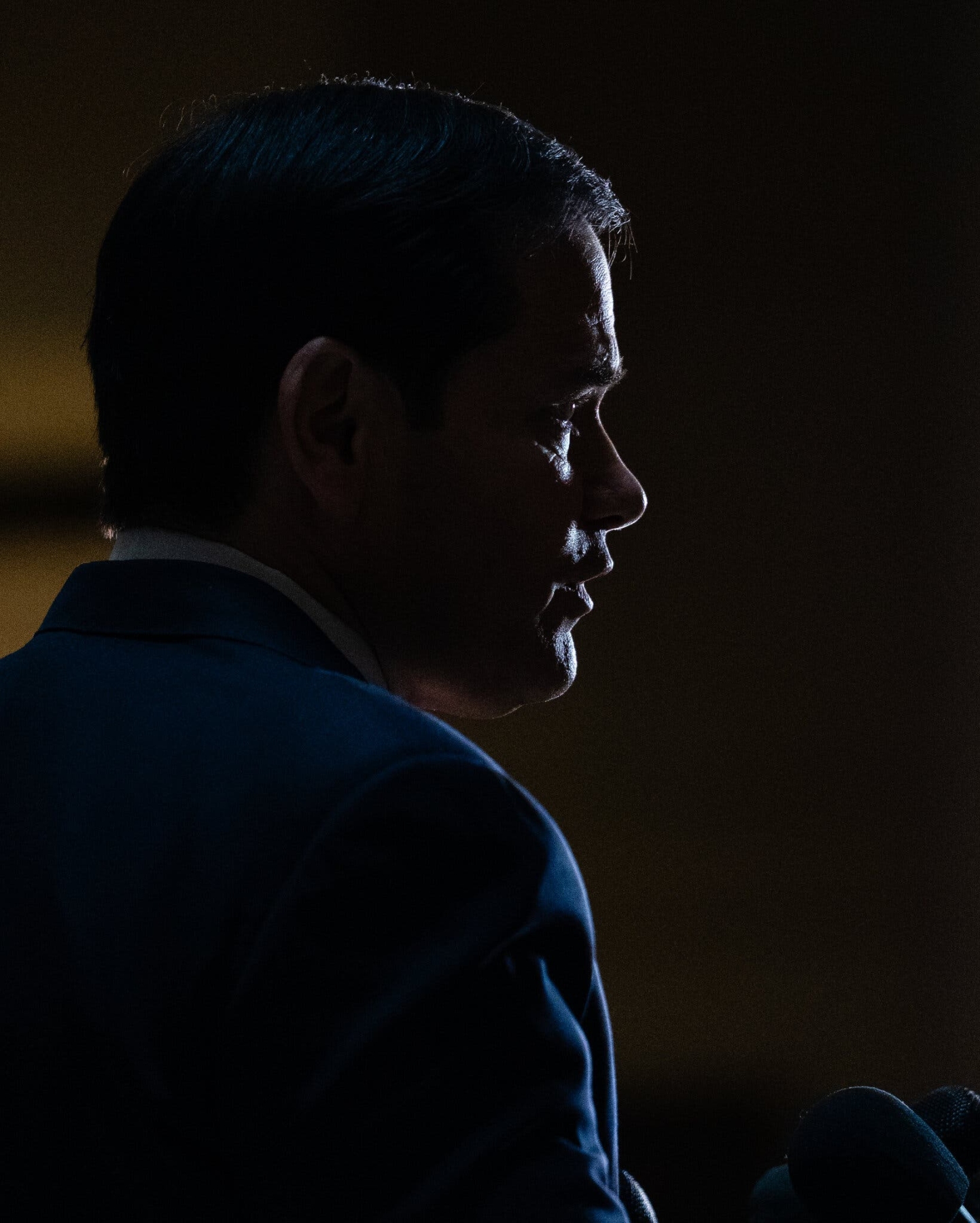
The US has now completed its military action in Venezuela, a US senator said Saturday, quoting US Secretary of State Marco Rubio.
Senator Mike Lee, a Republican initially critical of the operation, wrote on X that the US arrested Mr Maduro to stand trial on criminal charges in the US, after what he said was a telephone call with Mr Rubio.
“Just got off the phone with @SecRubio,” Mr Lee wrote.
“He informed me that Nicolás Maduro has been arrested by US personnel to stand trial on criminal charges in the United States, and that the kinetic action we saw tonight was deployed to protect and defend those executing the arrest warrant.
“This action likely falls within the president’s inherent authority under Article II of the Constitution to protect US personnel from an actual or imminent attack.”
He added that Mr Rubio “anticipates no further action in Venezuela now that Maduro is in US custody”.
US Deputy Secretary of State Christopher Landau celebrated the Trump administration’s operation.
“A new dawn for Venezuela!” he wrote. “The tyrant is gone. He will now – finally – face justice for his crimes.”
Loud explosions, accompanied by sounds resembling aircraft flyovers, were first heard around 2am (5pm AEDT) on Saturday, an AFP journalist reported.
Sounds of explosions were still being heard around 2:15am, although their exact location was unclear, AFP reported.
Videos verified by CNN show explosions on the port of La Guaira and in the coastal city of Higuerote, as well as smoke rising from the vicinity of Fort Tiuna, where the Venezuela Ministry of Defense is headquartered.
The US Federal Aviation Administration has prohibited US aircraft from operating within Venezuelan airspace.

US Democratic Senator Brian Schatz, a member of the Senate Foreign Relations Committee, appeared to slam Mr Trump for the strikes in a post on X.
“We have no vital national interests in Venezuela to justify war,” he said. “We should have learned not to stumble into another stupid adventure by now. And he’s not even bothering to tell the American public what the hell is going on.”
Meanwhile, Democratic Senator Ruben Gallego wrote “this war is illegal”.
“It’s embarrassing that we went from the world cop to the world bully in less than one year. There is no reason for us to be at war with Venezuela,” he said.
Colombian President Gustavo Petro said the United Nations “must meet immediately” and that his government “rejects any unilateral military action that could aggravate the situation or put the civilian population at risk”.
He said the neighbouring nation was monitoring the situation with “deep concern”.
Cuban President Miguel Díaz-Canel said his country “denounces and urgently demands the reaction of the international community against the criminal attack by the US on Venezuela”.
Spain has offered to mediate in the crisis between the US and Venezuela.
“Spain calls for de-escalation and restraint,” the foreign ministry said in a statement, adding that “in this regard … it is prepared to offer its good offices to achieve a peaceful, negotiated solution to the current crisis”.
Russia ‘extremely alarmed’, demands answers
Iran and Russia also condemned the US attack against Venezuela, according to reports.
Russia also demanded “immediate” clarification about the circumstances of the reported US abduction of the Venezuelan president. “We are extremely alarmed by reports that Venezuelan President Nicolas Maduro and his wife were forcibly removed from the country as a result of today’s US aggression. We call for an immediate clarification of the situation,” the Russian foreign ministry said in a statement.


The Australian government issued a warning to citizens in the country.
“The security situation is unpredictable and may deteriorate,” a statement on Smartraveller said.
“Be prepared to shelter in place. Make sure you have enough supplies including food, water and medicine. Check the media for updates and follow the instructions of local authorities. Our ability to provide consular assistance in Venezuela is severely limited.”
The US Embassy Bogota put out a similar warning to Americans and warned them not to travel to Venezuela.
“US citizens in Venezuela should shelter in place,” the advice read.
“Venezuela has the highest Travel Advisory level – Level 4: Do Not Travel – due to severe risks to Americans, including wrongful detention, torture in detention, terrorism, kidnapping, arbitrary enforcement of local laws, crime, civil unrest, and poor health infrastructure. The Travel Advisory from December 3, 2025, states all US citizens in Venezuela are strongly advised to depart immediately.
“The US government has no ability to provide emergency services to US citizens in Venezuela.”
Mr Trump has been quite frank about his goal to eject Mr Maduro from power.
Bombing land targets inside Venezuela is another step up in that campaign.
Monday’s attack
Mr Trump on Monday said the United States hit and destroyed a docking area for alleged Venezuelan drug boats.
“There was a major explosion in the dock area where they load the boats up with drugs,” he told reporters at his Mar-a-Lago resort.
“So we hit all the boats, and now we hit the area, it’s the implementation area, that’s where they implement. And that is no longer around.”
The Republican leader would not say if it was a military or CIA operation or where the strike occurred, noting only that it was “along the shore.”
Sources familiar with the operation told both CNN and The New York Times that the CIA had carried out a drone strike on a port facility.
The strike was believed to be targeting the Venezuelan gang Tren de Aragua, though no one was present at the time of the operation and there were no casualties.
The attack would be the first known land strike on Venezuelan soil.
Mr Maduro has neither confirmed nor denied Monday’s strike, but said Thursday he was open to co-operation with Washington after weeks of US military pressure.
Asked on Monday whether he had spoken to Mr Maduro, Mr Trump said they had talked “pretty recently”, but that “nothing much comes out of it”.

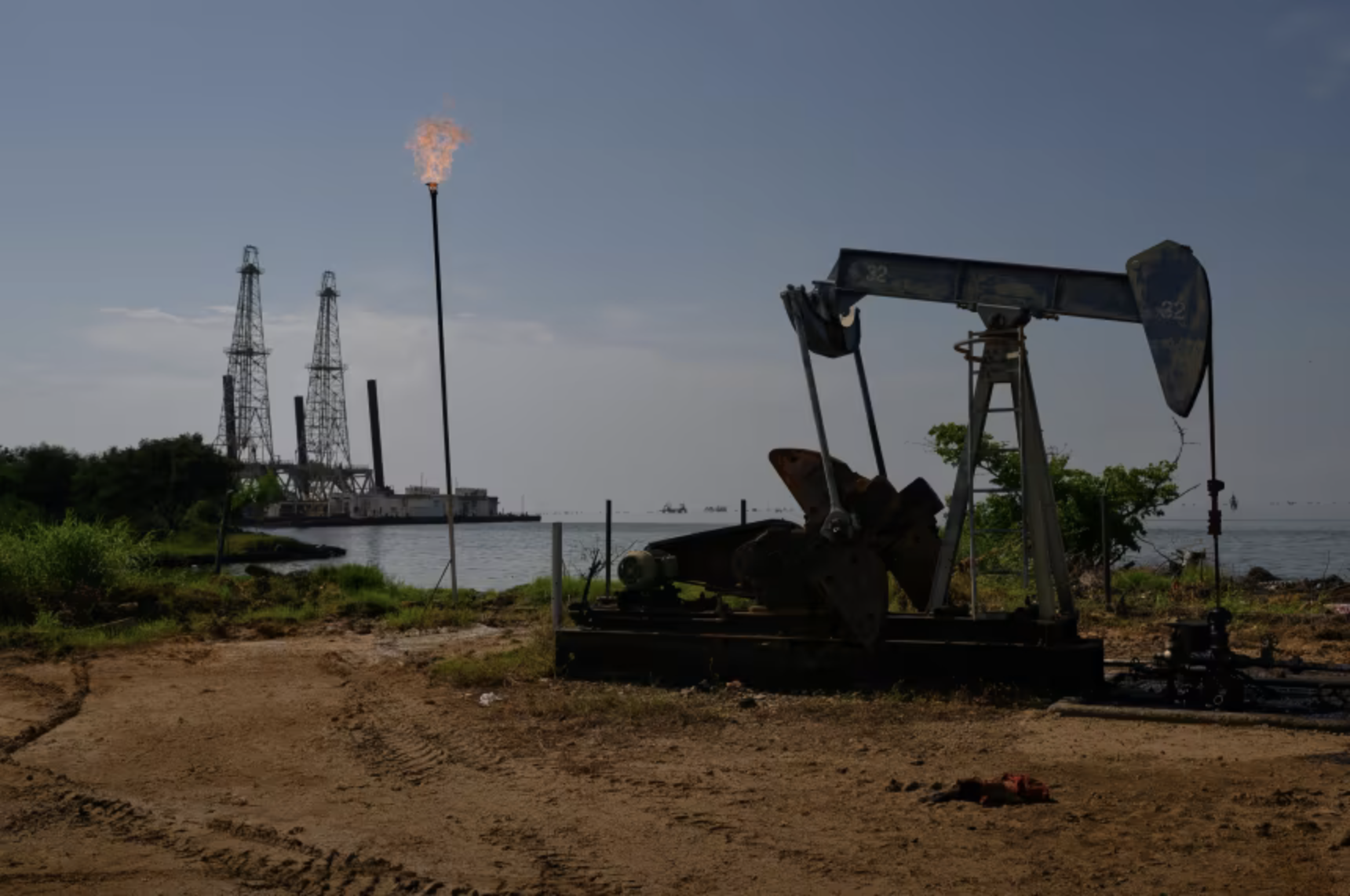
The Trump administration has accused Mr Maduro of heading a drug cartel and says it is cracking down on trafficking, but the leftist leader denies any involvement in the narcotics trade, saying Washington is seeking to overthrow him because Venezuela has the largest known reserves of oil on Earth.
Washington has ramped up pressure on Caracas by informally closing Venezuela’s airspace, imposing more sanctions and ordering the seizure of tankers loaded with Venezuelan oil.
For weeks Mr Trump has threatened ground strikes on drug cartels in the region, saying they would start “soon,” with Monday being the first apparent example.
US forces have also carried out numerous strikes on boats in both the Caribbean Sea and eastern Pacific Ocean since September, targeting what Washington says are drug smugglers.
The administration has provided no evidence that the targeted boats were involved in drug trafficking, however, prompting debate about the legality of these operations.
The deadly maritime campaign has killed at least 107 people in at least 30 strikes, according to information released by the US military.
- With AFP