
US President Donald Trump told Fox News on Saturday that the US was going to be "very strongly involved" in Venezuela's oil industry in the wake of the operation to capture Venezuelan President Nicolas Maduro. Here are some key facts about Venezuela's oil industry.
The United States is going to be "very strongly involved" in Venezuela's oil industry in the wake of the operation to capture Venezuelan President Nicolas Maduro, President Donald Trump told Fox News on Saturday.
"We have the greatest oil companies in the world, the biggest, the greatest, and we're going to be very much involved.
Here's what we know about Venezuela’s oil industry.
Vast Reserves, Minimal Output
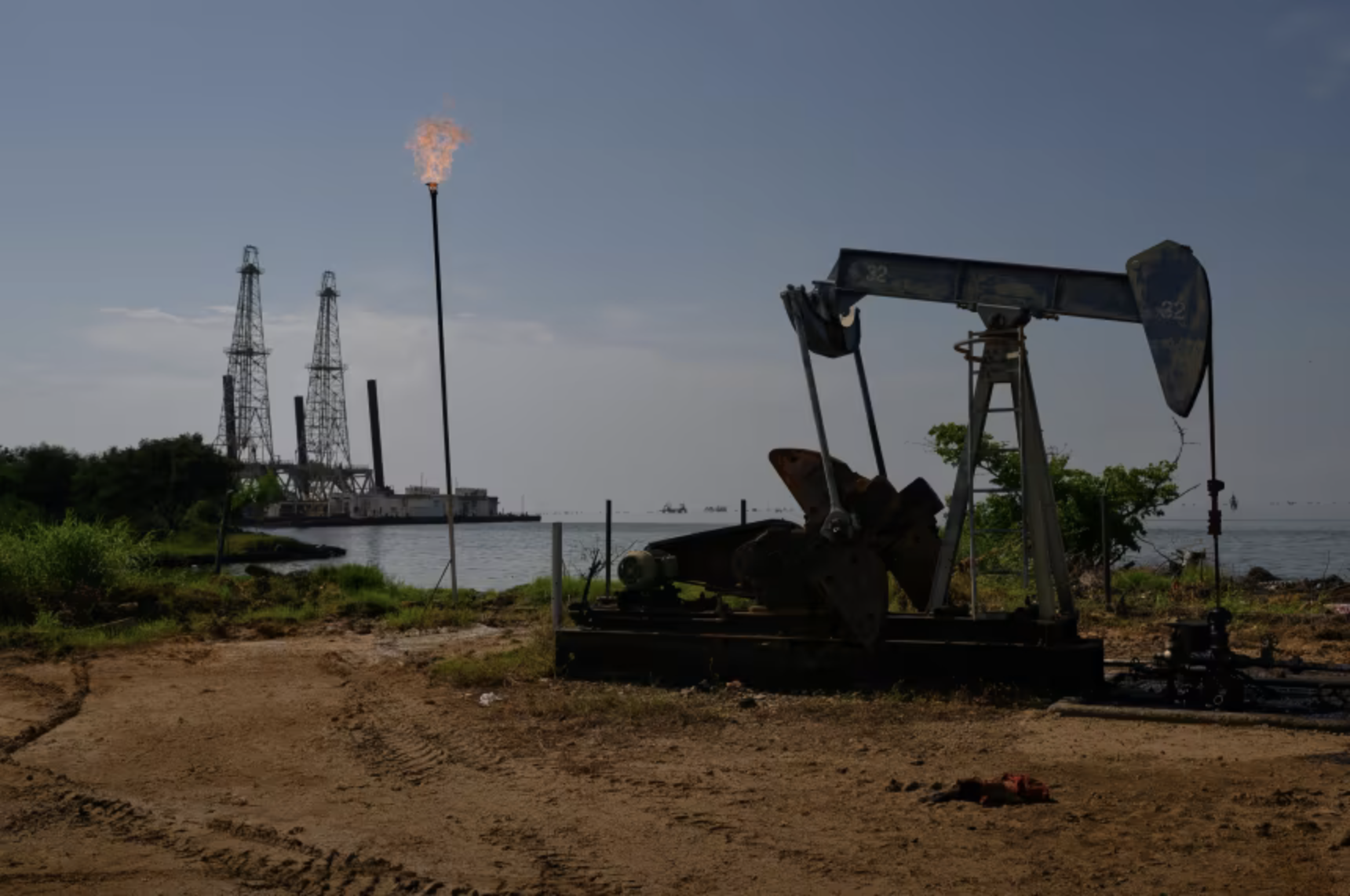
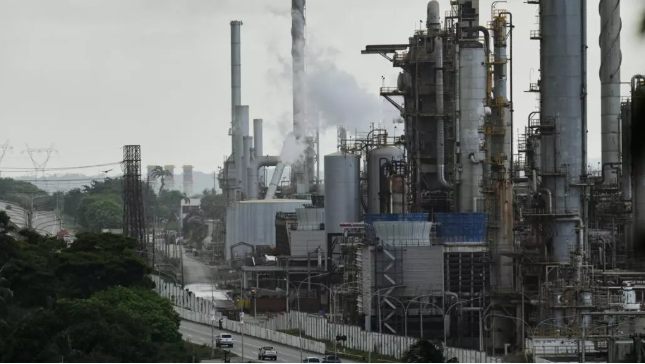
Venezuela holds the world’s largest oil reserves – about 303 billion barrels, or 17% of global reserves – surpassing OPEC+ leader Saudi Arabia, according to the London-based Energy Institute. Most of its reserves are heavy oil in the Orinoco Belt, making production costly, though technically straightforward, according to the US Energy Department.
Despite its vast reserves, Venezuela’s crude output remains far below capacity due to mismanagement, underinvestment, and sanctions. Production, which once peaked at 3.5 million barrels per day in the 1970s (over 7% of global output), fell below 2 million bpd during the 2010s and averaged around 1.1 million bpd last year.
Analysts note that any regime change could eventually boost production if sanctions are lifted and foreign investment returns. However, historical precedents in Libya and Iraq suggest recovery is unlikely to be rapid.
Joint Ventures and Nationalisation
Venezuela nationalised its oil sector in the 1970s, creating Petroleos de Venezuela S.A. (PDVSA). In the 1990s, it briefly opened up to foreign investment, but under Hugo Chavez from 1999 onward, PDVSA was required to maintain majority ownership in all projects. The state company partnered with firms including Chevron, China National Petroleum Corporation, ENI, Total, and Russia’s Rosneft to boost production.
Exports and Refining
The United States was formerly Venezuela’s main oil buyer, but sanctions shifted the main market to China over the past decade. Exports halted entirely after the Trump administration’s blockade on vessels entering or leaving Venezuela in December 2025. PDVSA also owns significant refining capacity abroad, including CITGO in the US, though creditors are contesting control through long-standing legal cases in American courts.
(FRANCE 24 with Reuters)