

The person familiar with the Russian offer, however, said Moscow was also willing to grant asylum to the other senior Venezuelans, and it appeared that Maduro was simply digging in his heels, believing the U.S. would not act.
“I think it was hubris,” this person said.
Another factor may also have been at play. The assessment among some in Washington was that Maduro would never go to Russia because it was too restrictive — and he wouldn’t have access to the money from the Venezuelan gold trade he is believed to have stashed offshore, according to a person familiar with the deliberations of the Trump administration.
Parolin suggested the United States could set a deadline for Maduro’s exit from the country, the documents said, and provide assurances for his family. The cardinal expressed that he was “very, very, very puzzled by [the] lack of clarity of the U.S. endgame in Venezuela,” the documents say. He appealed for patience, caution, restraint.
But the White House was done waiting.

A new choice to lead Venezuela
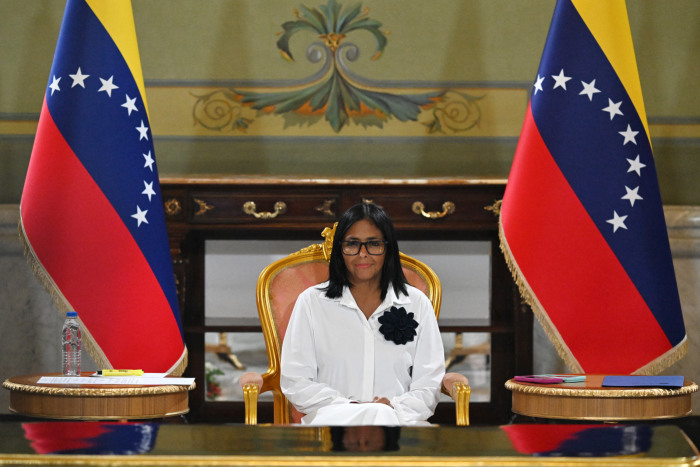
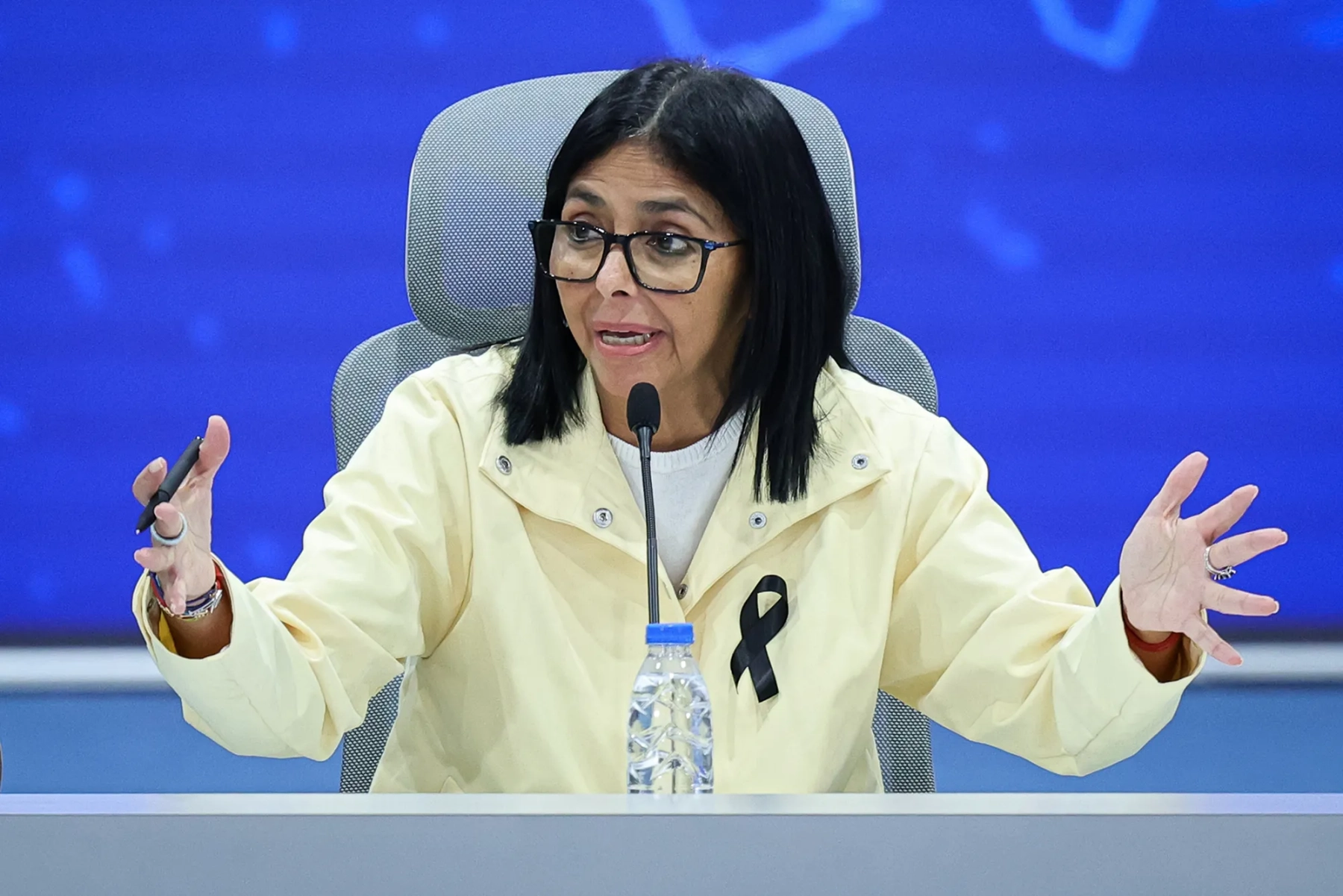
Rodríguez, the daughter of a leftist who died in the custody of Venezuela’s intelligence services, was a longtime senior socialist who rose to the highest ranks under Maduro and became an indispensable figure in his inner circle.
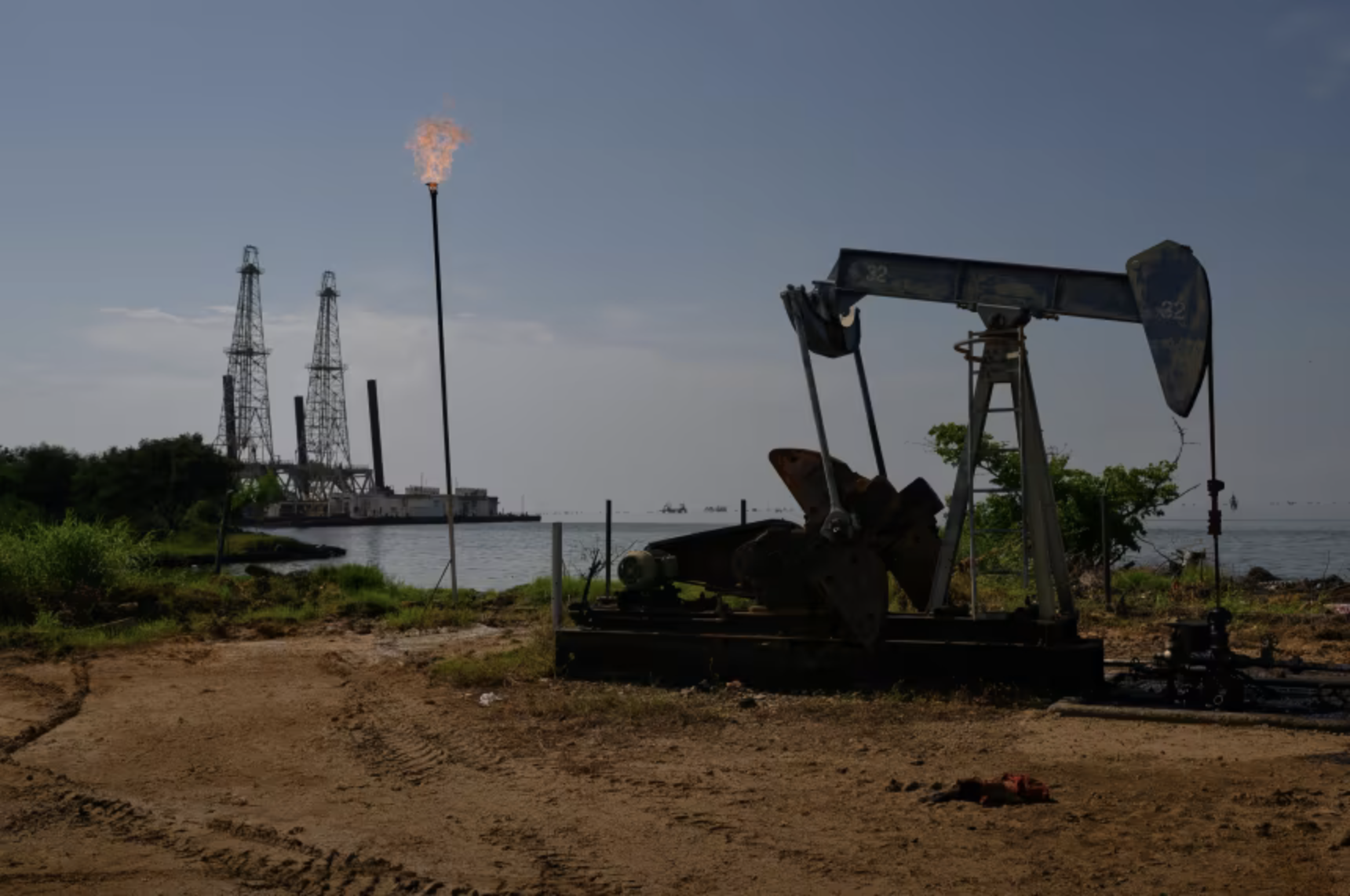
As oil minister, she served as a high-level emissary on sensitive foreign missions to Turkey and Qatar and became a reliable partner for oil interests and other foreign investors in Venezuela — even as she helped Maduro co-opt democracy and solidify his authoritarian rule.
Rodríguez began gaining the trust of some in the Caracas business community in recent years by reforming the economy, improving the exchange rate and working with a team of young people — including economists from the government of Rafael Correa when he was Ecuador’s president.Ask The Post AIDive deeper
She received pushback from inside the Maduro government for her reforms, particularly from first lady Cilia Flores and from hard-liners in the Chavista establishment who had benefited from the country’s entrenched power structure.
Officials from Chevron, the only American company Washington had permitted to operate in Venezuela amid U.S. sanctions, met monthly with Rodríguez and spoke positively about her to the U.S. government, including under the Biden administration, a former American diplomat said. The Chevron model was working, U.S. officials were told by company representatives, and Rodríguez was granting their wishes.
Asked for comment, a spokesperson for Chevron said the company had no advance notice of the U.S. military operation and did not engage in any discussions with administration officials regarding governance for a post-Maduro Venezuela.
Venezuelan business leaders began to push for Rodríguez as a person who could lead a political transition. “That consensus seems to have been accepted up in Washington,” according to a person familiar with the Maduro government.
The vice president had also emerged as an effective manager in talks with Qatar, a fellow OPEC member and a key intermediary with Venezuela in recent years.
Qatar had “a lot of frustration” with Maduro, who would overrule things to which his negotiators agreed, according to a Biden official familiar with the talks. The Qatari assessment was that if Rodríguez “says she’s going to do something, it gets done.” The Qataris “recognized that Delcy should run the country before anybody else did” if Maduro was out, the former official said.
A spokesperson for the Qatari government did not respond to a request for comment.

Early last year, Trump’s presidential envoy for special missions, Richard Grenell, took a leading role in negotiating with Venezuela, sometimes with the help of Qatar and sometimes directly with Rodríguez’s brother, Jorge Rodríguez, a psychiatrist, former minister of information and current president of the country’s national assembly. In those talks, Venezuela repeatedly shot down U.S. proposals for Maduro to leave power, according to a person familiar with the discussions.
At one point, the Venezuelans suggested Maduro could step down and stay in the country while Rodríguez took over, the person said, but it was never a “concrete” proposal. And by late summer, it became clear that Rubio — a Venezuela hawk and Grenell rival who has always favored pressure over negotiations — was taking over the Venezuela file. Grenell did not respond to a request for comment.
During an Oval Office meeting on Oct. 2, the senior White House official said, Trump and his top aides discussed how else they could apply pressure on Maduro, beyond the boat strikes that have killed more than 100 people in the Caribbean and Eastern Pacific.
Trump applauded Grenell’s diplomatic efforts to coax Maduro to step down, but said it was time for military action, the White House official said. Over the following months, Qatar received multiple Venezuelan requests for talks with the United States, according to a person familiar with the outreach, but the Trump administration indicated it was not interested.
Unofficial emissaries filled the void. They included Brazilian billionaire Joesley Batista, who arrived in the Venezuelan capital of Caracas in late November on a mission to convince Maduro to leave power.
Among the points discussed that day was a plan for the president to step down, according to three people familiar with the meeting. Maduro was given an offer to go into exile to Turkey or another willing country, two of the people said. The Turkish Embassy in Washington did not respond to a request for comment.
A potential asylum deal for Maduro in Turkey had been in play since at least November, according to the person familiar with Trump administration deliberations, including “guarantees” he would not be extradited to the United States.
But the now-jailed former leader and his wife indignantly pushed back, the three people said.
“Nicolás Maduro had multiple opportunities to avoid this,” Rubio said during an appearance with Trump at Mar-a-Lago on Saturday. “He was provided very, very, very generous offers and chose instead to act like a wild man, chose instead to play around.”
Batista, a beef magnate with business interests in both the United States and Venezuela, had previously acted as a middleman in negotiations over tariffs that Trump had imposed on Brazilian goods. He arrived in Caracas with a list of four points — including insistence on American access to rare earth minerals and oil, a break with Cuba — Venezuela’s longtime ally — and Maduro’s departure from the country, according to a person familiar with the meeting.
After the trip, Batista relayed his takeaways to the Trump administration, the senior White House official said. He “was not working at the behest of the United States,” the official said, but it took his findings “into consideration.”
Rodríguez knew that, according to the constitution, she would take over on an interim basis in the event of a Maduro’s exit from the political stage, according to a person in contact with the Venezuelan government. When the issue was brought up, she would become “uncomfortable,” the person said.
In the end, though, she would have no say in the matter.

A sidelined opposition leader
As momentum built around the idea of working with Rodríguez, U.S. officials began to sour on the prospect of a future government led by Machado — Venezuela’s most prominent opposition leader and the winner of the 2025 Nobel Peace Prize.
In recent weeks, influential business executives in Venezuela and even other members of the country’s opposition movement had warned the United States that Machado had not made enough inroads with the armed forces — the ultimate arbiters in Venezuela — and would not be capable of gaining their trust, according to additional U.S. government documents obtained by The Post.
In conversations with U.S. diplomats about her plans should Maduro suddenly leave power, those documents show, Machado’s team expressed a belief that most of the military would fall in line, and that they had assured military contacts they would avoid a broad purge of troops. Her advisers told U.S. officials they would not need to prosecute more than a few dozen regime figures. But they also made clear that top Maduro officials would have no place in a new government.
In the documents, U.S. officials described discussions with other contacts who expressed skepticism about the inroads Machado’s team claimed to have made with the armed forces. One member of the Venezuelan opposition said there had been no conversations between her representatives and military officers. Taken together, the contacts worried that in the event of Maduro’s abrupt departure, “a Machado-led government would flounder in the face of immense challenges.”
Machado’s team did not respond to requests for comment. In the aftermath of Maduro’s capture, the opposition leader has sought to assuage Trump, including offering to give him her Nobel Peace Prize, an award he has openly coveted. Her decision to accept the prize, people close to the White House have said, contributed to Trump’s decision to turn against her.
Machado is expected in Washington next week, the president told Fox News on Thursday. “I look forward to saying hello to her,” Trump said, adding that it would be “a great honor” to accept her award.
In the documents, U.S. officials included an analysis that now seems prescient: “Should Maduro suddenly depart the scene and other senior Chavistas were to stay in power, they might well decide to keep their repressive regime going to maintain their ill-gotten riches and avoid the justice that awaits them,” they wrote.
Rodríguez has striven to consolidate power since Maduro’s departure, vacillating between defiant and conciliatory tones toward Washington. Authority is fractured in Venezuela, and early signals have been mixed.
The detention of journalists and civilians, as well as new checkpoints set up by paramilitary gangs, have been interpreted by analysts as a show of strength by Cabello, who controls the country’s intelligence services and police.
The Trump administration remains confident in its decision to back Rodríguez, pointing to Thursday’s release of some political prisoners and an agreement to export Venezuelan oil to the United States. “We have seen thus far immense, deep cooperation with the interim authorities,” said the senior White House official, noting that Rodríguez and Rubio speak “frequently.”
It was a lesson, said a person close to the Maduro government, “that it is not possible to govern Venezuela without Chavismo.”
At the Vatican Friday, Pope Leo expressed concern that “a diplomacy that promotes dialogue” was being replaced by “diplomacy based on force.”
“War is back in vogue,” he warned, “and a zeal for war is spreading.”
Schmidt reported from Istanbul, Belton from London, and Natanson, Hudson and DeYoung from Washington. Ana Vanessa Herrero in Caracas, Marina Dias in Brasília, Stefano Pitrelli in Rome, and Tara Copp, Warren P. Strobel and Souad Mekhennet in Washington contributed to this report.