
By Sara Dorn
Key Facts
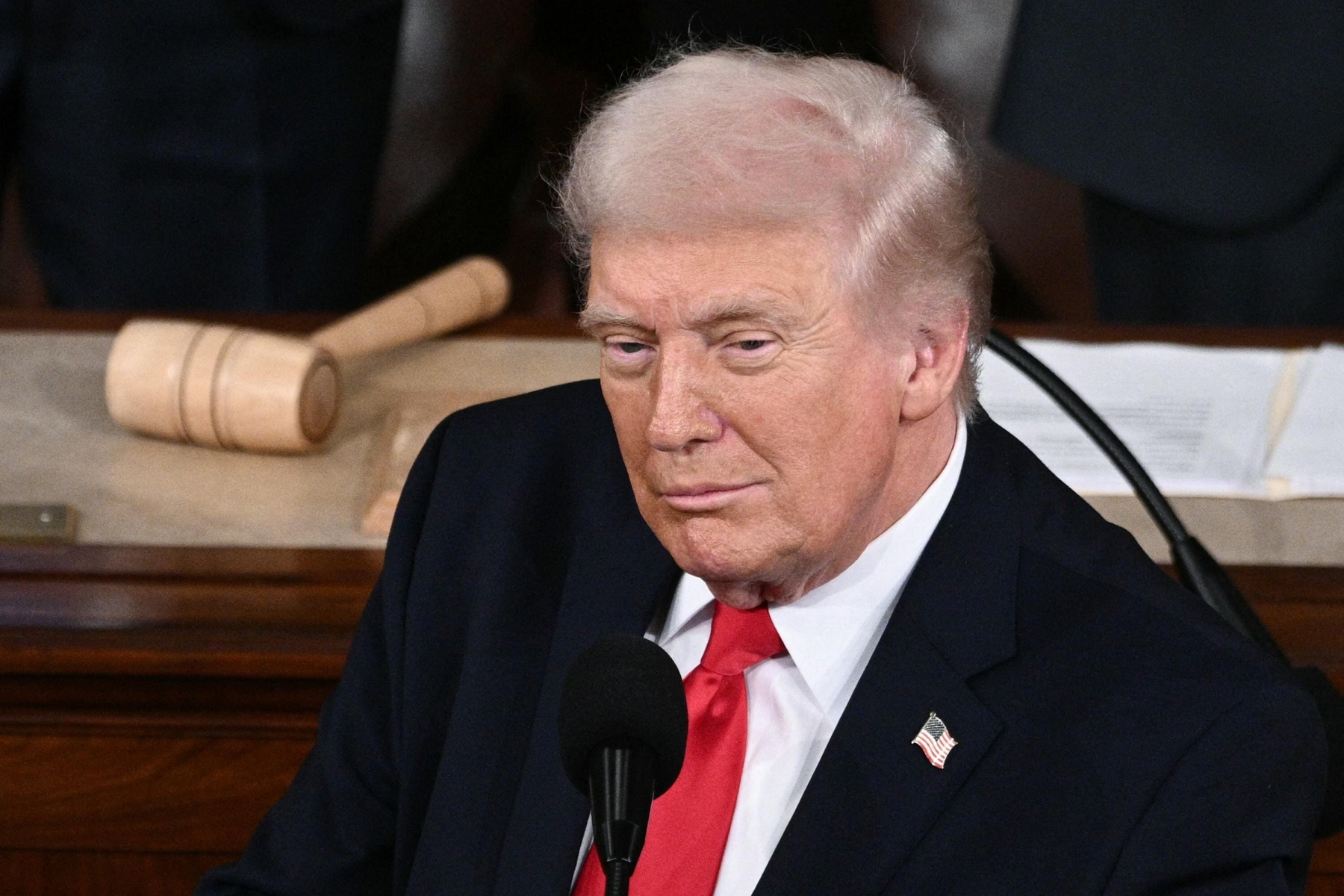
Trump said, “I believe the tariffs, paid for by foreign countries, will like, in the past, substantially replace the modern day system of income tax, taking a great financial burden off the people that I love.”
The claim is misleading for a number of reasons—importers, not foreign countries, pay tariffs, and the tariffs Trump has imposed generate only a small portion of income tax revenue.
As of early December, the U.S. had collected about $257 billion in tariff revenues in 2025, with $167 billion coming from new tariffs Trump imposed, according to Politifact.
Federal income taxes generated more than 14 times that amount, $2.4 trillion in 2024, according to Politifact.
Key Background
Trump’s speech comes on the heels of Friday’s Supreme Court ruling killing his “Liberation Day” tariffs announced last year on nearly all U.S. trading partners. Trump, angered by the decision, blasted the justices who voted to overturn the levies, suggested he believes he does not have to comply with the ruling and announced a new 15% global tariff, on top of the ones he has separately imposed, under a different statute. In a 6-3 decision, the justices determined the International Economic Emergency Protection Act—which Trump used as the legal basis for his “Liberation Day” tariffs—does not permit him to impose tariffs without congressional approval. Thousands of American companies are seeking refunds for combined billions of dollars in tariffs collected since April of last year, but Trump officials have said resolutions could be delayed for years as the Supreme Court did not address the refund issue in its ruling and it’s likely subject to prolonged litigation.
Tangent
Persistent economic concerns have weighed on Trump’s approval ratings as significant portions of Americans say prices are too high and Trump needs to focus more on the economy, polls show. A February Associated Press survey found just 39% approved of Trump’s handling of the economy. Metrics show mixed results: job growth last year was slower than expected, though the labor market added 130,000 jobs in January, stronger than expected, and unemployment fell from 4.4% to 4.3%. Gross domestic product grew 2.2% last year, compared to 2.8% the previous year. Inflation has somewhat cooled, to 2.4%, down from 3% at the start of his second term. Trump has claimed the U.S. has the “greatest economy ever,” despite the negative perceptions in polls. He was expected to detail what the White House called “an ambitious agenda to continue bringing the American Dream back for working people” in his speech Tuesday, White House press secretary Karoline Leavitt told CNBC.