
Rachel Hagan, BBC News
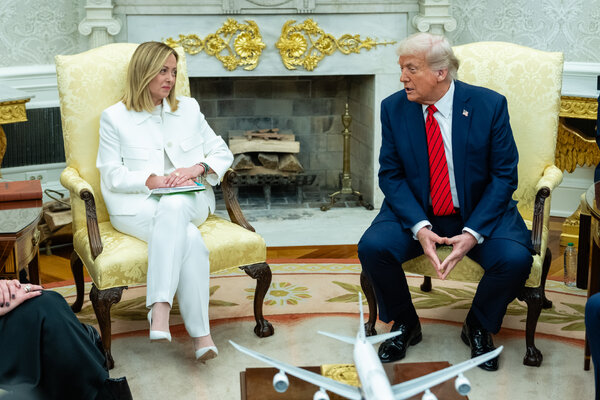
US President Donald Trump has criticised European leaders as "weak" and suggested the US could scale back support for Ukraine.
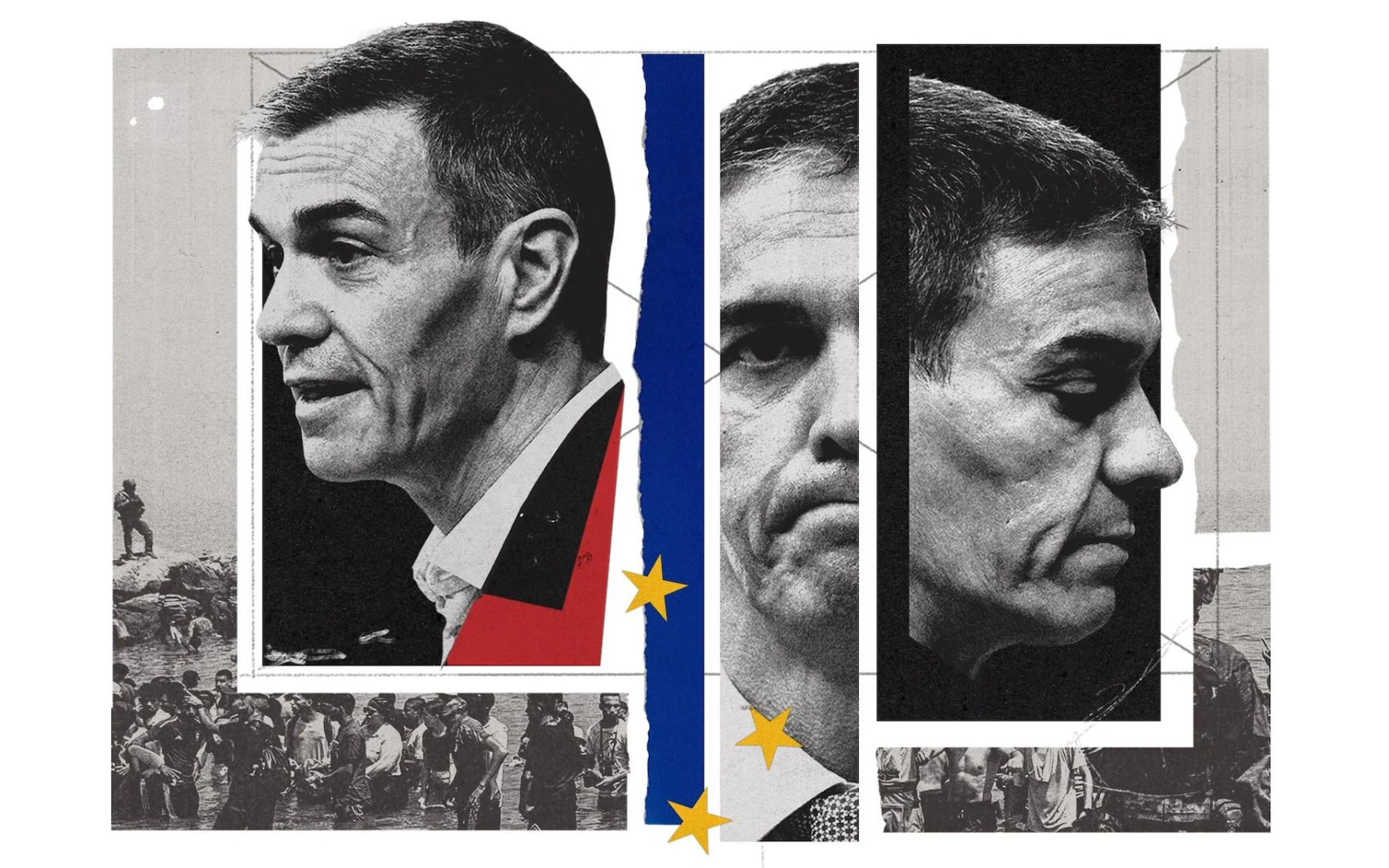
In a wide-ranging interview with Politico, he said "decaying" European countries had failed to control migration or take decisive action to end Ukraine's war with Russia, accusing them of letting Kyiv fight "until they drop".
He argued that Russia held the "upper hand" and urged Ukrainian President Volodymyr Zelensky to "play ball" by ceding territory to Moscow.
In the UK, Downing Street rejected Trump's claim that Europe had failed to act, citing the UK's leadership on sanctions and reiterating support for the US-led peace process.
Zelensky, writing on X later on Tuesday, said Ukraine and Europe were working actively on "all components of potential steps toward ending the war", that the Ukrainian and European elements of the plan were now more developed and that Kyiv was ready to present them to "our partners in the US".
In his interview, Trump claimed ideological divisions now threatened to fracture Washington's alliances.
Asked whether leaders he viewed as weak could still be allies, he replied: "It depends", adding: "I think they're weak, but I also think that they want to be so politically correct. I think they don't know what to do."
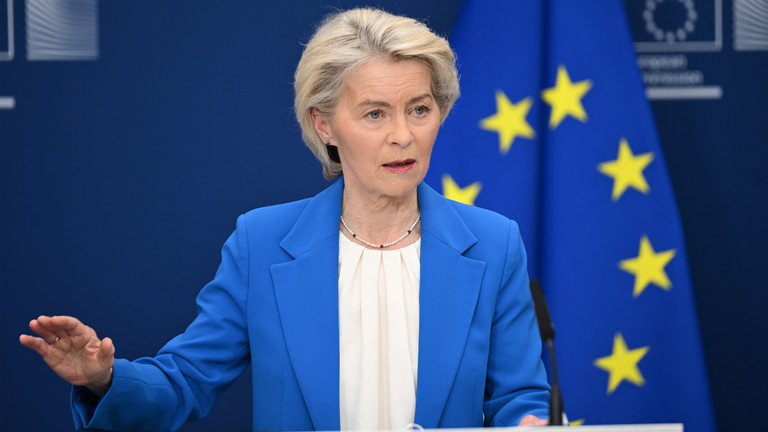
His comments come a day after European leaders came together in London to discuss their continued joint efforts to reach a peace deal with Russia.
The talks were the latest attempt by Ukraine's European allies to carve out a role in the US-led efforts to end the war, which they fear will undercut the long-term interests of the continent in favour of a quick resolution.
Asked whether Europe could help end Russia's war with Ukraine, the US president said: "They talk but they don't produce. And the war just keeps going on and on."
Ukraine is preparing to present a revised peace plan to the White House, seeking alternatives to any settlement requiring territorial concessions.
Zelensky, who has again ruled out surrendering land, is pressing European and Nato leaders to help deter the US from backing a deal that Kyiv fears would leave it exposed to future attack.
Trump also suggested, without evidence, that the Ukrainian president was the main obstacle to peace, claiming Ukrainian negotiators "loved" the US-backed proposal and alleging Zelensky had not yet read it.
Trump's latest public criticism of Europe comes as he looks to increase pressure on Zelensky and Kyiv's allies to end the war in Ukraine.
The president's remarks also came after his administration released its new 33-page National Security Strategy, which warned of Europe's potential "civilisational erasure" and questioned whether some nations could remain reliable allies.
Russia welcomed that strategy - which did not cast Russia as a threat to the US - as "largely consistent" with Moscow's vision.
Responding on Tuesday to the strategy, German chancellor Friedrich Merz said some parts were plausible and some understandable, but other elements were unacceptable from a European point of view.
He rejected the idea that the US needed to "save democracy" in Europe, saying Europeans could address such questions themselves.
The strategy also followed similar rhetoric to Trump's speech to the UN earlier this year, where he had harsh criticism for western Europe and its approach to migration and clean energy.