
As Europe shivers through a bitterly cold winter, Russia’s unthinkable plan to inflict “maximum damage” to millions of civilians could be disastrous.
Missiles. Drones. Glide bombs. Kholodomor.
It means “death by cold”.
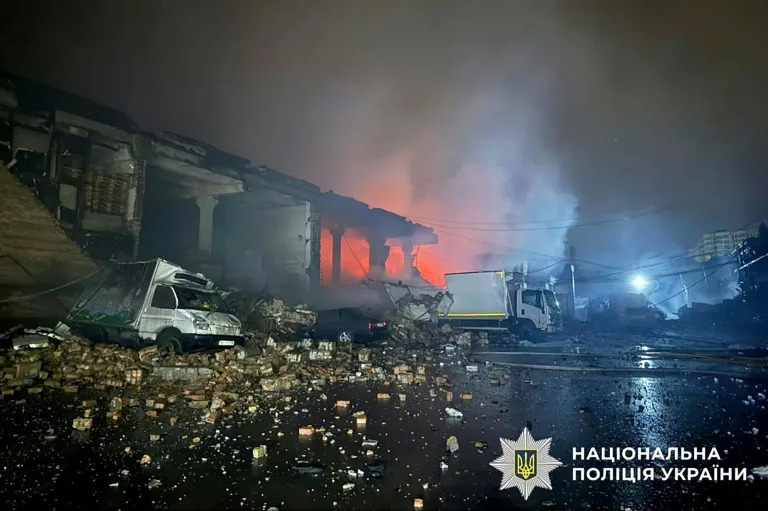
Almost four years into President Vladimir Putin’s bungled three-day invasion of his western neighbour, he’s unleashed a relentless new winter bombardment.
Not against tanks, trenches or troops.
But powerplants, substations, transformers – and heating systems.
These are being targeted across Ukraine in a methodical pattern designed to inflict maximum damage.
All while temperatures plunge to record lows of -22C.
Russia is trying to freeze millions of Ukrainian civilians into submission. Families are erecting camping tents indoors for a little extra insulation.
Bricks are being heated on stoves as improvised radiators. Splintered timber from bombed homes is being burnt.
“[This is] a calculated bid to freeze millions of civilians in their own homes and spark a humanitarian catastrophe,” warns Atlantic Council analyst Peter Dickinson.
It’s not a new tactic.
Kremlin forces began attacking Ukraine’s civilian energy networks during the first winter of the invasion it launched in 2022.
What is new is the sheer scale and coordination of the 2026 campaign.
Electricity. Gas. Fuel. Water.

All are needed for the operation of Soviet-era central heating systems that pipe heat into their ice-bound high-rise communities.
“Putin is now openly embracing a strategy of terror tactics against Ukraine’s civilian population,” states Dickinson.
“He hopes that by weaponising winter and putting millions of lives at risk, he can finally break Ukrainian resistance and force Kyiv to capitulate.”
The Kholodomor Campaign
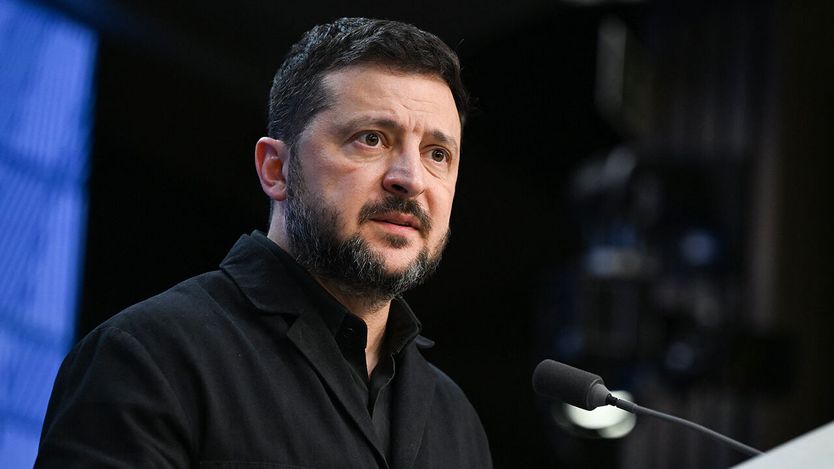
President Volodymyr Zelensky’s government ordered emergency nationwide powergrid shutdowns over the weekend. Surviving electrical generation and distribution facilities were overloaded.
“During the coldest months of the Ukrainian winter, heating and power are not mere conveniences; they are essential for survival,” warns Atlantic Council conflict analyst Kristina Hook

“Putin’s escalating weaponisation of winter mirrors Stalin’s use of famine against Ukrainians almost one century earlier.
Kholodomor is a brutal battle of endurance.
It’s being waged because Putin’s forces are doing poorly.
Moscow has suffered about 1.2 million casualties (including about 325,000 dead) since February 2022. And despite frequent declarations of victory, Russian troops barely seized more than 1 per cent of Ukraine’s territory in 2025.
No nation has experienced such heavy losses for so little gain since World War II.
Thus Kholodomor.

The word also rhymes with holodomor: Death by hunger.
That’s the name given to Chairman Joseph Stalin’s murderous campaign to starve unhappy Ukrainian peasants into submission.
“[This] is used to describe the artificially induced famine of the early 1930s that killed at least four million Ukrainians,” explains Hook.
“Unlike the Soviet authorities during the Holodomor, Putin has made no real effort to disguise or conceal the current targeting of Ukraine’s civilian population. On the contrary, Russian officials and media personalities have praised the destruction of civilian infrastructure and the suffering this inflicts.”


Ukraine’s children and elderly have been house-bound for weeks.
Huddled in the dark close to whatever warmth they can find, it is simply too cold to venture outside.
“In other words, Russia’s present bombing strategy appears to have been specifically tailored to target the most vulnerable members of Ukrainian society,” adds Dickinson.
Genocide by another name
“The sheer scale of Russia’s current winter bombing campaign makes a mockery of attempts to broker a compromise peace and underlines the Kremlin’s determination to destroy Ukraine as a state and as a nation,” Hook concludes.
President Putin last week promised US President Donald Trump that he had ordered a one-week pause on attacks on Ukraine’s energy grid in a gesture of goodwill towards a new round of peace talks.

President Trump says this was honoured. President Zelensky says it wasn’t.
Whatever the case, the surviving infrastructure is struggling to meet barely 60 per cent of Ukraine’s electricity needs.
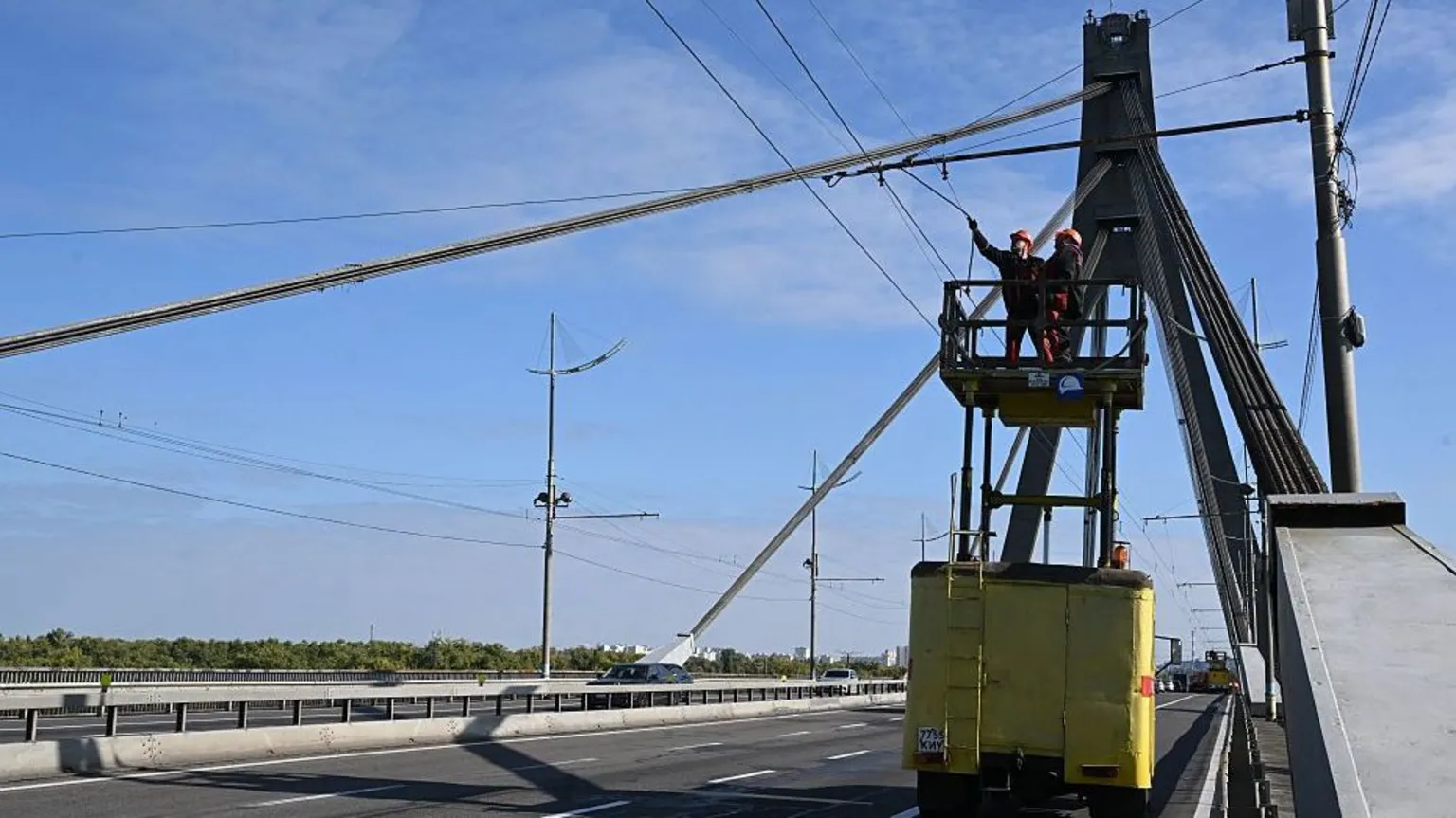
“While teams of Ukrainian engineers continue to work miracles, each successive attack makes their task more difficult,” Dickinson explains.
Prolonged blackouts are now a daily routine.
“Russian attacks on Ukraine’s energy infrastructure cannot be dismissed as an example of ordinary wartime brutality,” Hook adds.

“Genocide is not defined only by mass killing; it is also defined by the deliberate destruction of the conditions of life required for a group’s survival.”The United Nations reports more than 2500 civilian deaths and 12,000 injuries last year. That’s a 31 per cent increase over 2024.
An October investigation accused Moscow of “systematically coordinated actions designed to drive Ukrainians out of their homes.”
Moscow’s war against Ukraine’s civilians is not only about exploiting the frigid weather.
Those living near the front lines are being subjected to a “human safari”.
Russian drones are hunting them down.
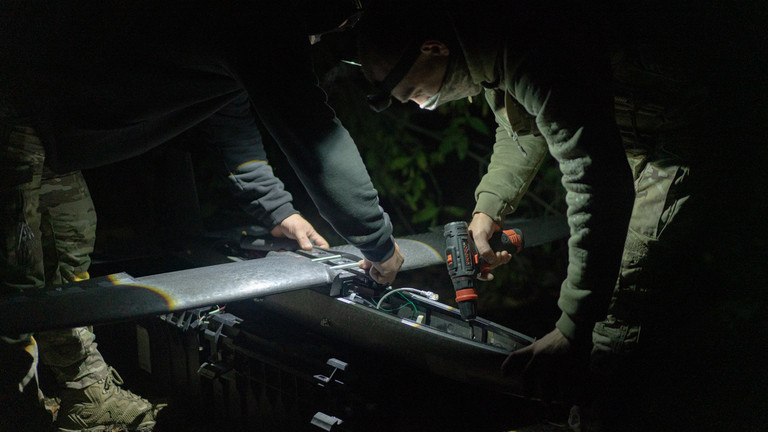
These small, civilian-style craft broadcast video of what they see back to their hidden operators. And when they see someone hurrying down a snow-covered street - or a crowded bus - they’re guided in to deliver a lethal grenade.
International reaction has been muted.
“[A] sense of impunity driving Russia’s invasion,” warns Hook. “This impunity has convinced Putin that he can now freeze millions of Ukrainians in front of the watching world.”
Jamie Seidel is a freelance writer