
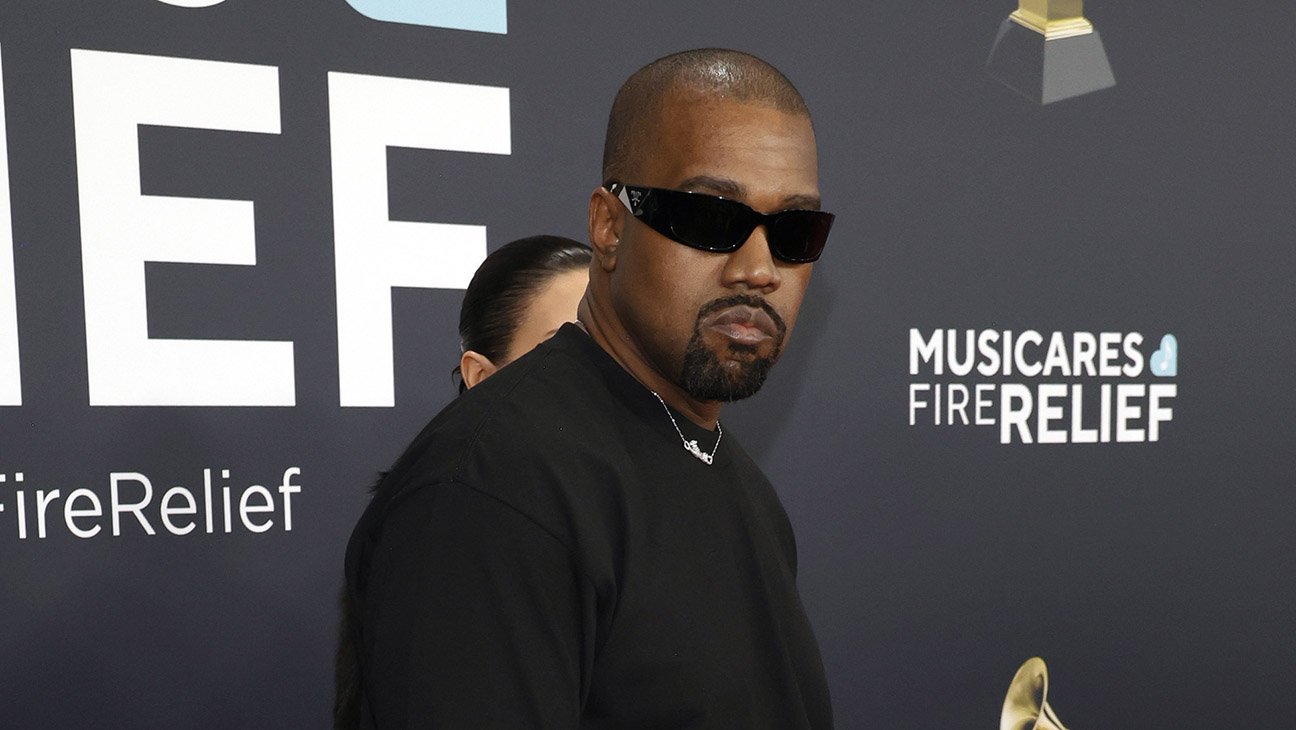
An apology without meaningful, sustained change is simply a pause until his next cycle of hate begins.
By Ari Ingel, David Renzer, Steve Schnur
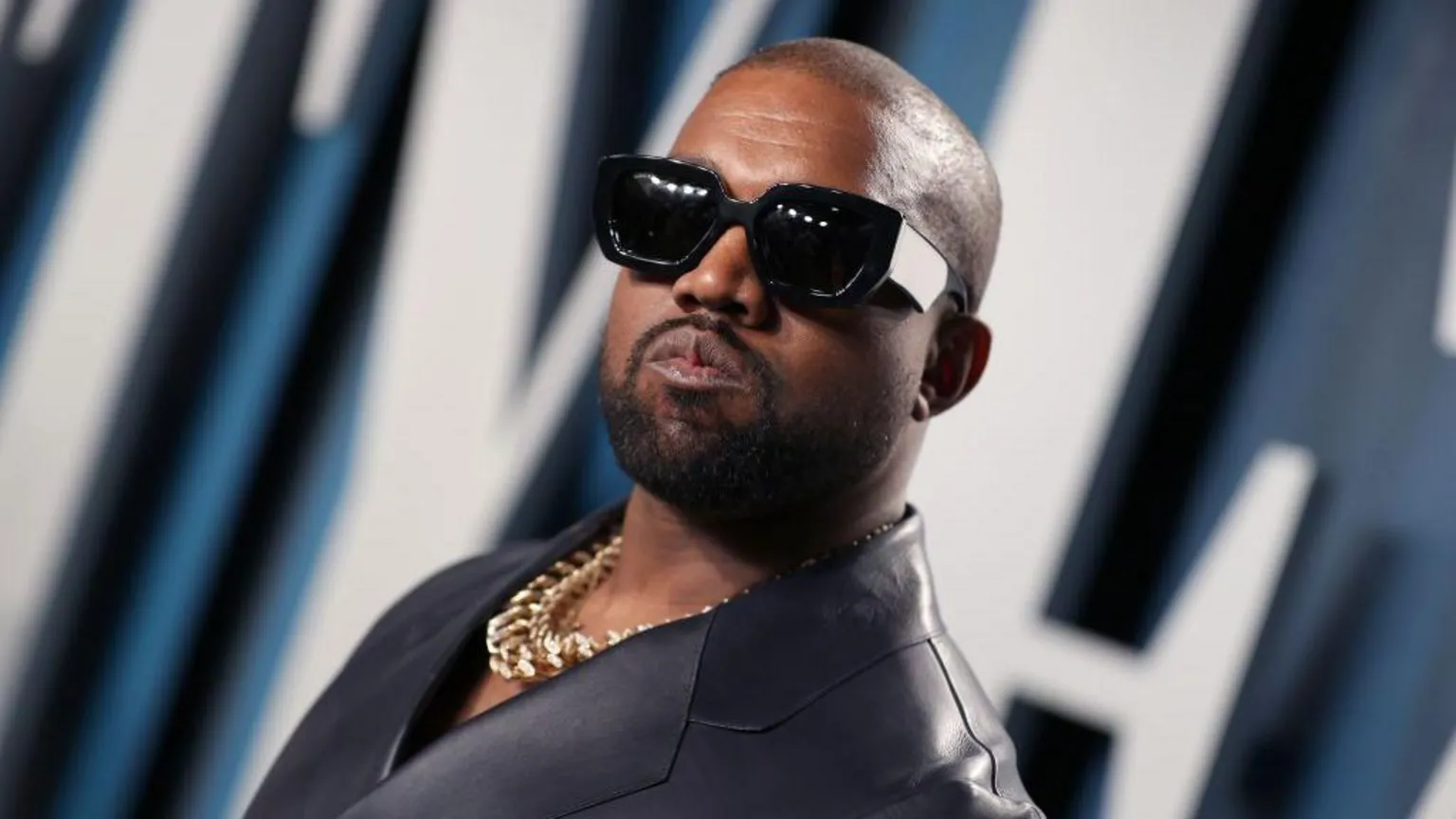
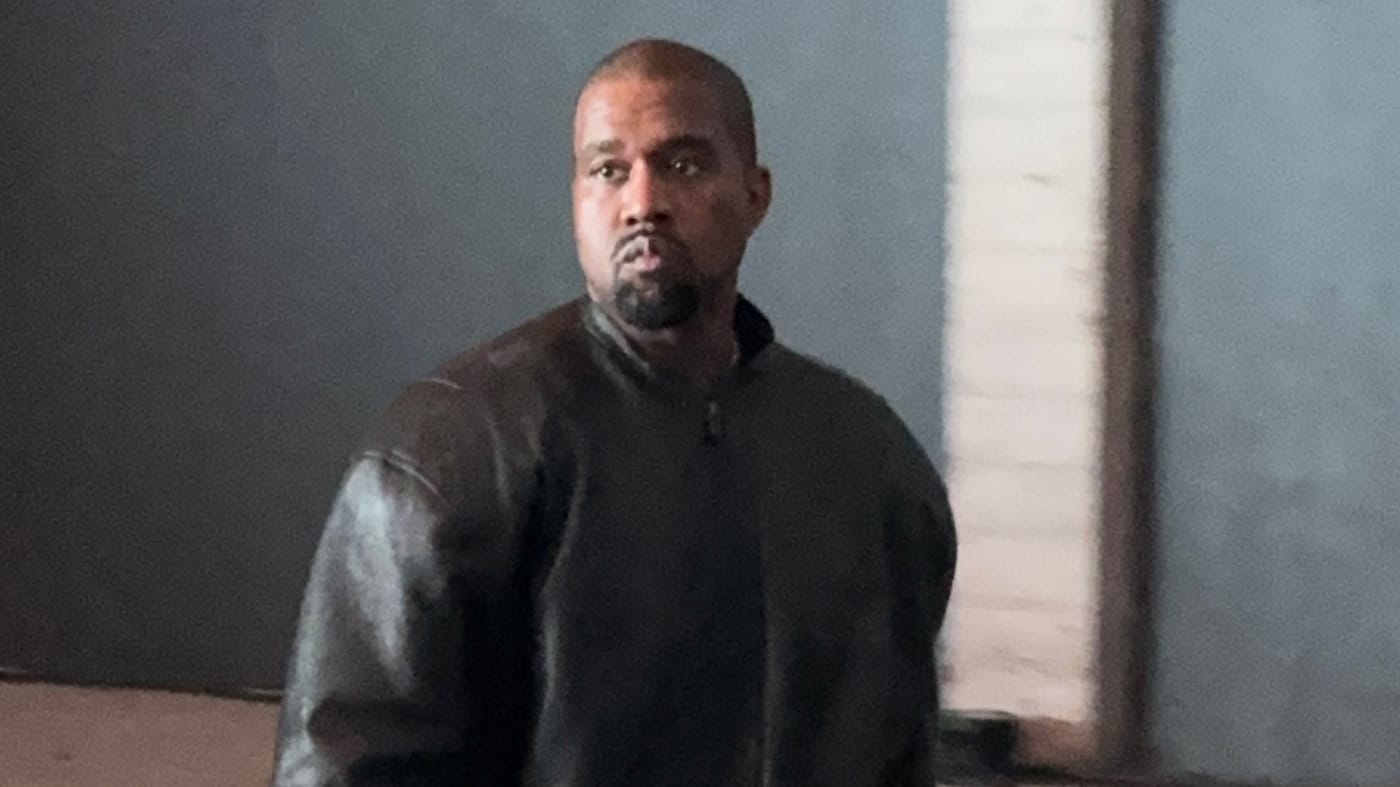
Ye, formerly known as Kanye West, has issued another public apology.
Any rejection of hate is, in theory, a positive step. Antisemitism is on the rise globally and language from cultural figures with enormous reach matters. As we have recently seen in D.C., Boulder and Bondi Beach, fomenting antisemitism and extremist rhetoric can lead to violence.
But context matters too, and so does history.
Since posting his apology in an ad in The Wall Street Journal on Monday, Ye has expanded on his statement in a lengthy email interview with Vanity Fair attributing his antisemitic and hateful comments and behavior to a four-month manic episode, bipolar disorder and a traumatic brain injury stemming from his 2002 car accident.
This is not Ye’s first apology for his antisemitic statements and behavior. Over the years, he has repeatedly apologized, retracted, clarified, deleted and reframed, only to later escalate again. That pattern cannot be ignored, particularly when apologies arrive at moments of commercial consequence.
This latest statement comes days before the release of his new album, Bully. That timing raises legitimate questions, especially given the scale and duration of the harm he has caused.
Ye’s conduct has gone far beyond offensive rhetoric. He has publicly praised Adolf Hitler, declared himself a Nazi, sold merchandise featuring a swastika via a Super Bowl commercial seen by millions, and promoted content explicitly invoking Nazi ideology, including the song “Heil Hitler,” which was recently played at a club in Miami before a crowd of attendees that included the likes of Andrew Tate and Nick Fuentes.
Mental illness and neurological injury can explain impaired judgment, impulsivity or disinhibition. They do not explain the repeated adoption of an extremist ideology, and they do not absolve responsibility for amplifying hate. The overwhelming majority of people living with bipolar disorder or traumatic brain injury do not praise Hitler, promote Nazi symbolism or traffic in antisemitic conspiracy theories.
These were not isolated remarks or misunderstood metaphors. They were deliberate, repeated actions that amplified extremist ideas to a massive audience, with real-life consequences. The ADL stated that numerous incidents — including violent attacks — were tied to Ye’s previous antisemitic rants.
His apology alone cannot undo that.
Accountability — real accountability — requires more than a statement. It requires sustained action, especially when the behavior spans years and has contributed to real-world consequences. Organizations that track antisemitism have documented how rhetoric from high-profile figures correlates with spikes in harassment and violence. This is not theoretical harm.
Furthermore, framing antisemitism primarily as a medical episode risks further harm. It stigmatizes millions of people living with mental illness who do not harbor hateful beliefs, while simultaneously minimizing the ideological nature of antisemitism itself.
If Ye is serious about change, responsibility would look like this.
It would begin with an explicit and unequivocal rejection of Nazism and antisemitism in all forms, the imagery he has promoted, and he should demand that “Heil Hitler” be pulled down from all social media platforms. Not ambiguity. Not generalities. Direct action.
It would also require accountability for the people and platforms he has chosen to associate with, individuals and movements that traffic in antisemitism and extremist rhetoric. Growth is demonstrated through choices, including who one no longer chooses to associate with.
It would include acknowledging that this behavior did not emerge during a moment of personal or financial collapse. Ye expressed admiration for Hitler years ago, when he was one of the most powerful and commercially successful artists in the world, well before the four-month period he now cites, and across multiple platforms, albums, interviews and business ventures. This is a long-running issue and cannot simply be blamed on a car accident or personal struggles.
We also need to see sustained engagement with credible organizations that combat antisemitism and extremism, not as a public relations exercise, but through listening and reparative action. Performative outreach and engagement with fringe figures does not constitute accountability.
Free speech remains a fundamental right. But it does not obligate the public, or the entertainment industry, to endlessly reset expectations after repeated harm. There is a difference between defending artistic expression and continuing to excuse behavior that normalizes hate.
As leaders of Creative Community for Peace, we believe deeply in the power of culture to build bridges and foster understanding. That belief is precisely why accountability matters so much when culture is weaponized in the opposite direction.
An apology without meaningful, sustained change is simply a pause until his next cycle of hate begins. If this moment is truly different, the difference will not be found in a statement. It will be found in consistent action over time, without the proximity of an album release.
As an icon in the music industry, we hope his statement is sincere and marks the beginning of a different path forward. Compassion for mental illness and insistence on accountability are not mutually exclusive. In fact, they must coexist when public figures cause sustained, real-world harm.
The entertainment industry should know the difference, and until we see sustained, demonstrable change, we continue to echo the words of entertainment industry leaders Ari Emanuel and Jeremy Zimmer, who in 2022 both stated unambiguously that no one, and no companies, should be in business with Ye.
Ari Ingel is the executive director of the Creative Community for Peace, a nonprofit in the entertainment industry focused on addressing antisemitism. David Renzer is the CCFP’s co-founder and chairman, and Steve Schnur is also a CCFP co-founder.