Viewers credit 50 Cent with digging up the dirt in ‘Sean Combs: The Reckoning,’ the documentary he executive-produced
For two years, Curtis “50 Cent” Jackson oversaw work on a documentary about a hip-hop rival he has personally trolled on the internet for even longer.
His efforts paid off: “Sean Combs: The Reckoning,” a four-part series executive-produced by Jackson, has been perched at No. 1 on Netflix as the most-watched series in the U.S. and multiple other territories. It had 22 million total views in its opening weekend alone, Netflix says.
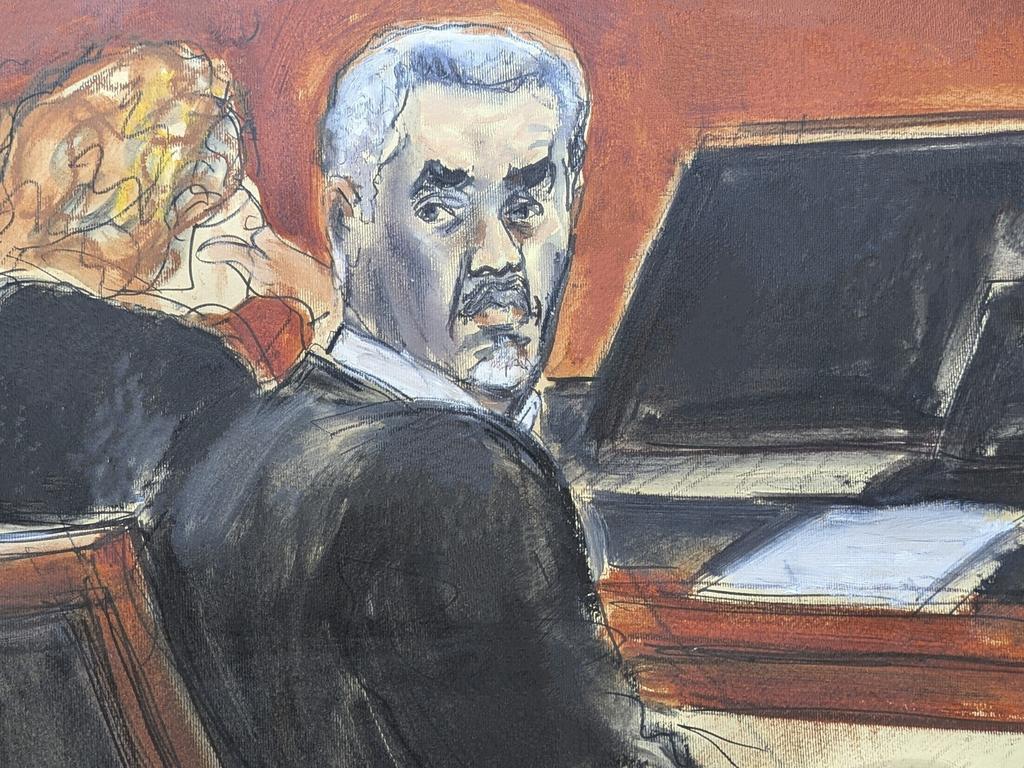
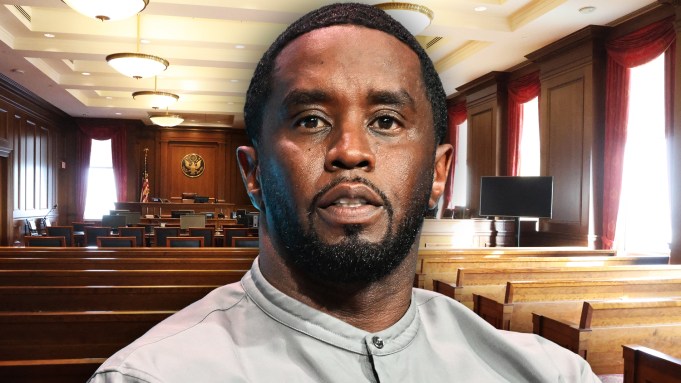
After an eight-week trial, Sean “Diddy” Combs was acquitted of sex trafficking and racketeering conspiracy charges but convicted for prostitution offenses and sentenced in October to just over four years in prison.
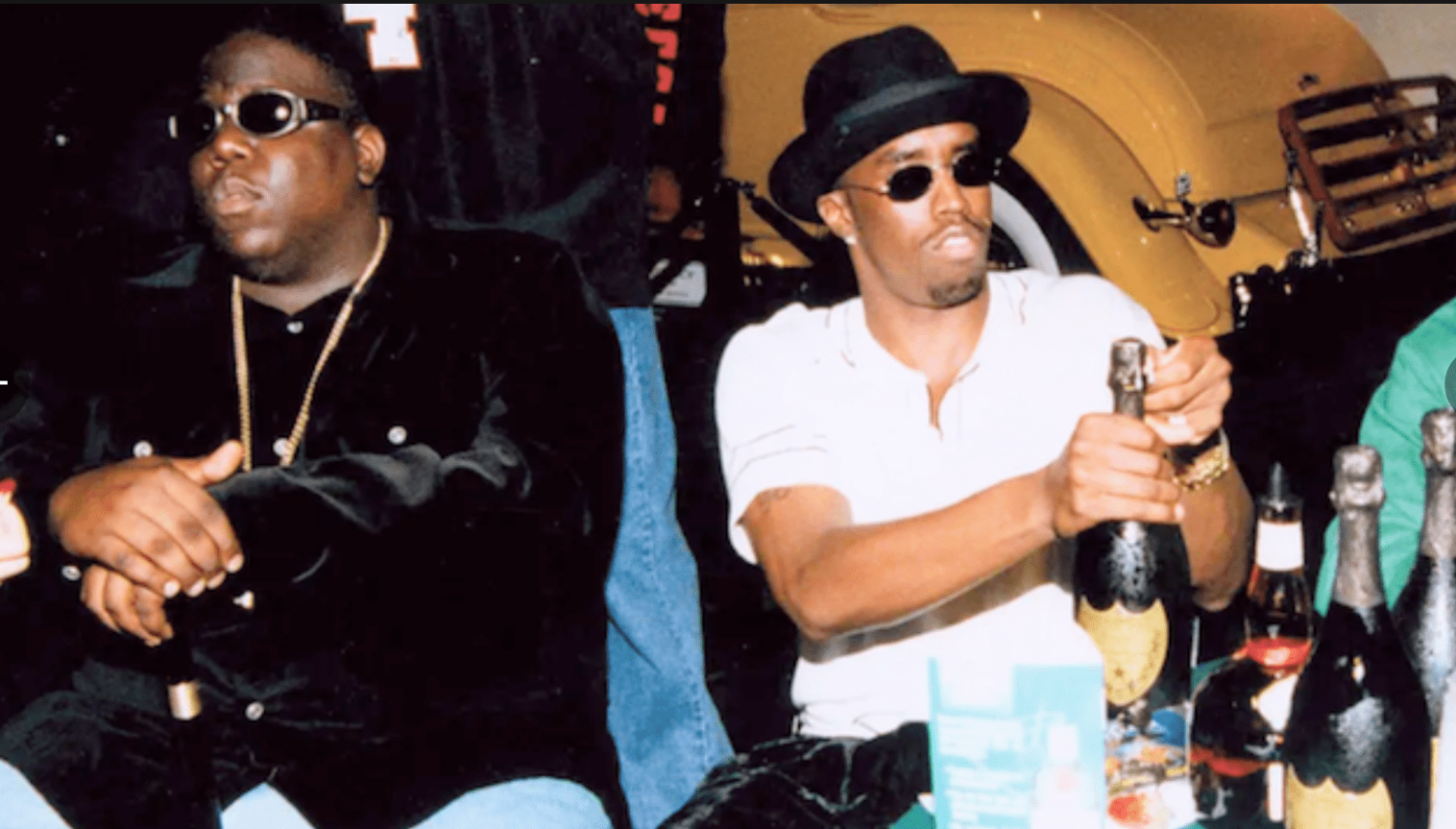
Despite the marathon spectacle of the case, viewers have flocked to the documentary to learn more about the disgraced mogul. They’re devouring not just the salacious details in “The Reckoning” but also its wider framing of hip-hop history, including details about the inner workings of Combs’s Bad Boy record label and his role in the fatal feud between Tupac Shakur and the Notorious B.I.G.
Combs has threatened to sue Netflix over the documentary, claiming key footage in it was stolen from him, and that the project was skewed by animosity Jackson has against him. Netflix defended the release, which was directed by Alexandria Stapleton, whose previous documentaries include a film about Reggie Jackson.

Meanwhile the project’s ringleader has been basking in the new documentary’s success and controversy—a combo Jackson has embraced ever since he emerged as one of music’s great antagonists with the 2003 debut album “Get Rich or Die Tryin’.”
“It doesn’t come out like this without me,” Jackson says, referring to his standing in the rap world (which helped secure interviews from wary participants) and his track record as a producer (which paved the project’s way to Netflix). Jackson, 50, has put out more than a dozen TV shows and movies since 2014, the year he released his last studio album.
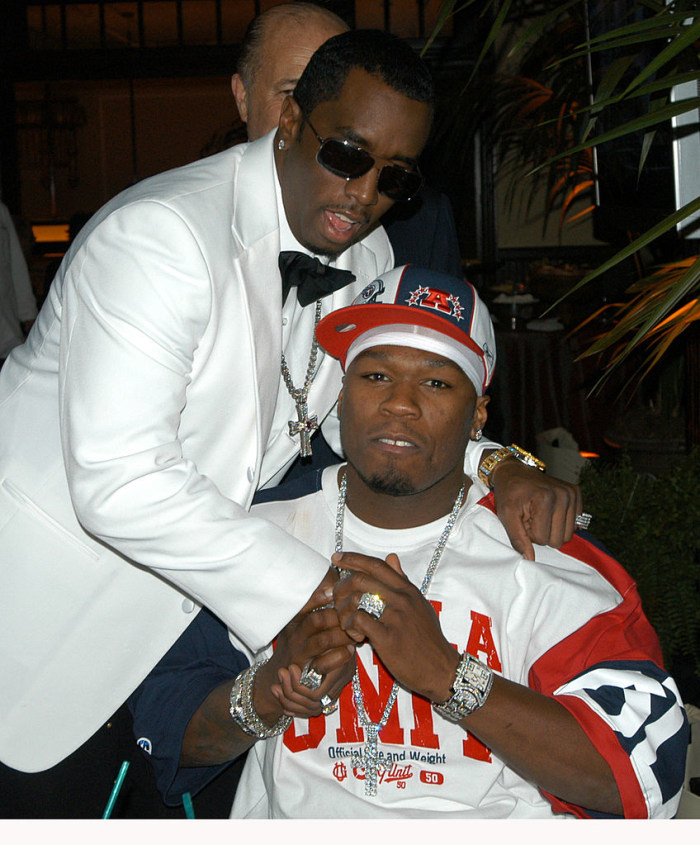
He wore a Pittsburgh Pirates cap, a black leather tracksuit with white piping and a Hublot watch during a recent interview at the Netflix headquarters in his hometown of New York. He’s a jocular talker who will frequently tap your arm or squeeze your shoulder for emphasis.
A representative for Combs criticized Netflix in a statement for “handing creative control” of the documentary to “a longtime adversary with a personal vendetta.” Netflix responded with, “Curtis Jackson is an executive producer but does not have creative control.”

That’s not how the audience seems to perceive it. In reaction videos and memes about the series that have poured onto social media, viewers routinely credit 50 Cent for digging up its dirt, which includes a gang member telling police that Combs ordered the shooting of Shakur. Combs has repeatedly denied involvement.
Jackson maintains that Stapleton shaped the documentary, which unfolds in a tone that is more sober than sensational. It relies on interviews from people once in Combs’s orbit to present a pattern of manipulative behavior across decades that culminated in a storm of sexual abuse allegations.
Jackson says his role behind the scenes was that of an advisor on all things hip-hop and a consigliere in securing interviews, noting that he wasn’t on hand when they took place.
“Certain people would be uncomfortable talking to Alex [the director] if they didn’t know her or her perspective,” he says. “It’s a lot easier for me to touch base with people who can get them on the phone and say, ‘50 wants to talk to you.’ They hear me say, ‘Look, it’s not a hit piece, I just want you to tell your story.’”
He says he helped recruit participants including R&B star Al B. Sure! (who first encountered Combs as a record-label intern) and Kirk Burrowes (a Bad Boy co-founder whose observations run throughout the series). Burrowes draws from his bookkeeping records to support his claims, including one that Combs reneged on a promise to pay for Notorious B.I.G.’s public funeral.
Women who participated in the series include alleged victim Aubrey O’Day, a star of Combs’s “Making the Band” reality show, and Capricorn Clark, a former right hand to Combs in his Bad Boy camp. Singer Cassie Ventura, Combs’s former girlfriend, is not interviewed in the documentary, though the second half of the series revolves around her. Ventura filed a sexual abuse lawsuit against Combs in 2023 that helped trigger dozens of other lawsuits against him amid a federal investigation that resulted in his arrest in 2024.

The documentary makers’ biggest coup is footage of Combs that was shot by someone with him in the days before his arrest. The video, which bookends the documentary, shows Combs arguing on the phone with his legal team and looking for ways to fix his reputation with the public and potential jurors. He urges his team to hire “somebody that has dealt in the dirtiest of dirtiest dirty business of media and propaganda.”
Jackson says the scenes came from 140 hours of footage the documentary makers obtained. The filmmakers have declined to discuss how they got the footage and from whom the production licensed it. In its statement, Netflix said the pre-arrest footage of Combs was legally obtained.
Jackson suggests it came from a disgruntled cameraman.
“When you’re facing racketeering and all types of charges, the last thing on your mind is, ‘I have to pay the videographer,’” he says.
Combs’s official documentarian, Michael Oberlies, said in a statement that the disputed footage came from “a third party who covered for me for three days,” adding that the leak “had nothing to do with any fee dispute or contract issue.”
Working on a serious documentary didn’t stop Jackson from his activities as a harsh and relentless internet jester. He routinely mocks Combs and other rivals, relaying wild memes to his many followers (including some 37 million on Instagram), such as an AI-generated video featuring Combs on the back of a motorcycle with Jeffrey Epstein. Jackson says his trolling is just another form of marketing.

“It creates the soap opera,” he says. “That makes the doc relevant to all platforms of entertainment. If that many people are watching and participating, they want to add their perspective, even if it’s warped or creates humor. As their antics get a little more graphic, I get a little more graphic along with them.”
Jackson’s online stunts have caused serious repercussions. In 2015, a jury ordered him to pay $5 million to an ex-girlfriend of rapper Rick Ross, Lastonia Leviston, after Jackson posted a sex tape of her online.
When asked if that incident represented a double standard for a producer of a documentary dealing with sexual exploitation, Jackson says no, in part because Leviston wasn’t his intended target.
“Being competitive in hip-hop is what created that issue. I had no issue with Lastonia. Didn’t know who she was, right? It was just me and Rick Ross being competitive.”
The success of “The Reckoning” has only accelerated Jackson’s pace of dealmaking, production and self-promotion.
“It’s like having a hit record on the chart at No. 1. ‘One’ is close to ‘none,’” he says, “so I’m in the studio right away to figure out another record, another show, that’ll be on the chart when this one comes down.”
His TV business started with “Power,” a tough cable drama he produced and starred in. It premiered on Starz in 2014 and grew into a franchise with four series spinoffs. Lately, Jackson has tackled true crime with shows about New York’s Gilgo Beach murders and more.
In January comes a theatrical film produced by Jackson’s G-Unit Film & Television, “Moses the Black,” a modern riff on the legend of the 4th-century saint the movie is named for. In Shreveport, La., he’s developing a studio complex for film and TV productions. And his ventures beyond entertainment include cognac and champagne brands.
He still records music for his productions, including a theme song for his upcoming TV series “Fightland,” a boxing drama filmed in London. But he has ceded the quest for chart-topping hits to younger rappers, he says.
“I just don’t feel like you’re supposed to be the No. 1 hip-hop artist at 50.”
Write to John Jurgensen at John.Jurgensen@wsj.com