
If the deal goes through, an algorithm-powered streaming titan would gobble up a 102-year-old movie studio synonymous with the romance of old Hollywood.
By Daniel Arkin
Hollywood is in a brave new world.
Netflix’s plan to acquire Warner Bros. Discovery’s studio and streaming business in an $82.7 billion deal would dramatically reshape the entertainment industry — and put a resounding exclamation point on Silicon Valley’s takeover of Tinseltown.
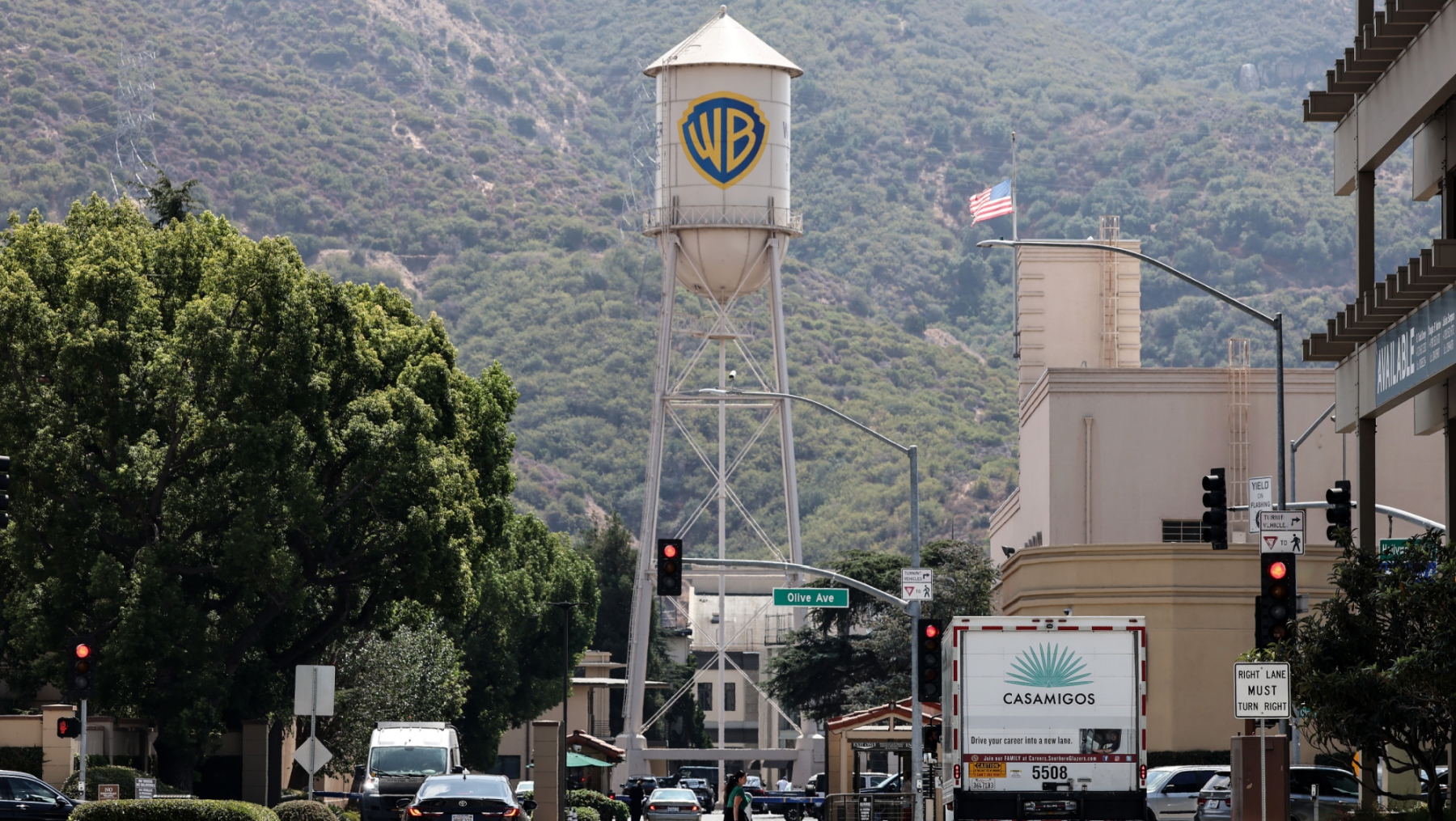
Twenty years ago, Netflix was a mail-order DVD rental service known for red envelopes. Warner Bros. was a crown jewel of American entertainment, famed for its studio lot water tower and revered for a cinematic heritage that stretched back to the early 1920s. Netflix was the scrappy interloper. Warner Bros. was a titan of the traditional media establishment.
Flash forward to the present: Netflix is the undisputed champion of entertainment, a streaming behemoth that reaches more than 300 million paid subscribers. Warner Bros. is still a hitmaker — “Barbie” and “Sinners” conquered the box office — but the studio is grappling with a brutal economic reality: shaky theatrical revenues, fierce competition from YouTube and TikTok, and rapidly changing audience habits.
If the deal is approved by Trump administration regulators, the merger of Netflix and Warner Bros. would create a production and distribution colossus, ushering in a head-spinning new era for Hollywood. It’s a business that used to rely primarily on ticket sales at brick-and-mortar cineplexes and home video sales. Today, it increasingly revolves around algorithms, apps and complex subscriber metrics.
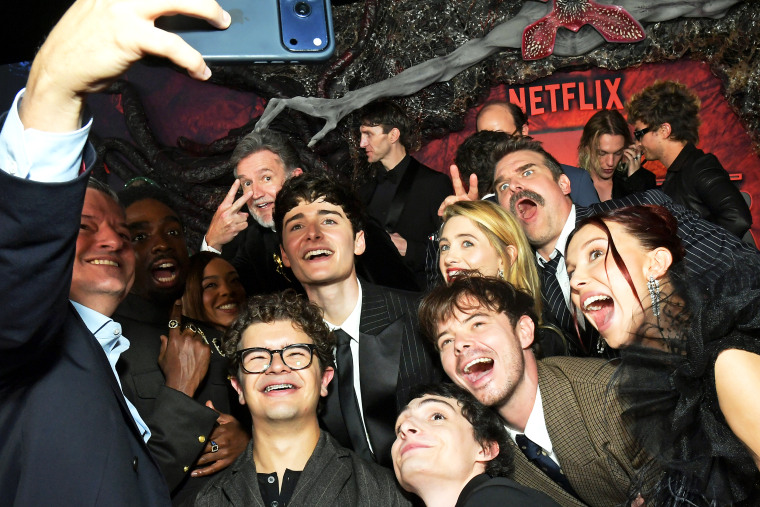
The merger promises to weave together two distinct strands in Hollywood history. Warner Bros., the home of Golden Age classics such as “Casablanca” and “Rebel Without a Cause,” embodies the starry-eyed glamour of red-carpet premieres and the vast physical machinery of the studio back lot. Netflix, the destination for “Stranger Things” and “KPop Demon Hunters,” represents the stark digital future, with sprawling libraries of content stored in the cloud.
Netflix would also gain access to a trove of lucrative intellectual property, from Bugs Bunny and Superman to “Friends” and “Game of Thrones.” The closest modern parallel might be Amazon’s acquisition of the former Hollywood power player MGM in 2023.
Nothing is a done deal, however. Netflix’s purchase of Warner Bros. requires sign off from the Justice Department, which will weigh antitrust issues and other regulatory matters in a process that could take years.
There is also opposition brewing in Congress. In recent days, lawmakers in both parties have raised concerns about Netflix effectively creating a streaming monopoly.
“This potential transaction, if it were to materialize, would raise serious competition questions — perhaps more so than any transaction I’ve seen in about a decade,” Sen. Mike Lee, R-Utah, said in a post on X on Wednesday. “When Netflix has real competition, viewers and artists win.”
Sen. Elizabeth Warren, D-Mass., meanwhile, blasted the deal as “an anti-monopoly nightmare.”
Netflix was not the only suitor in the auction. Warner Bros. Discovery received bids from Skydance and Comcast, which control the Paramount and Universal film studios, respectively. (Comcast owns NBCUniversal, the parent company of NBC News.)
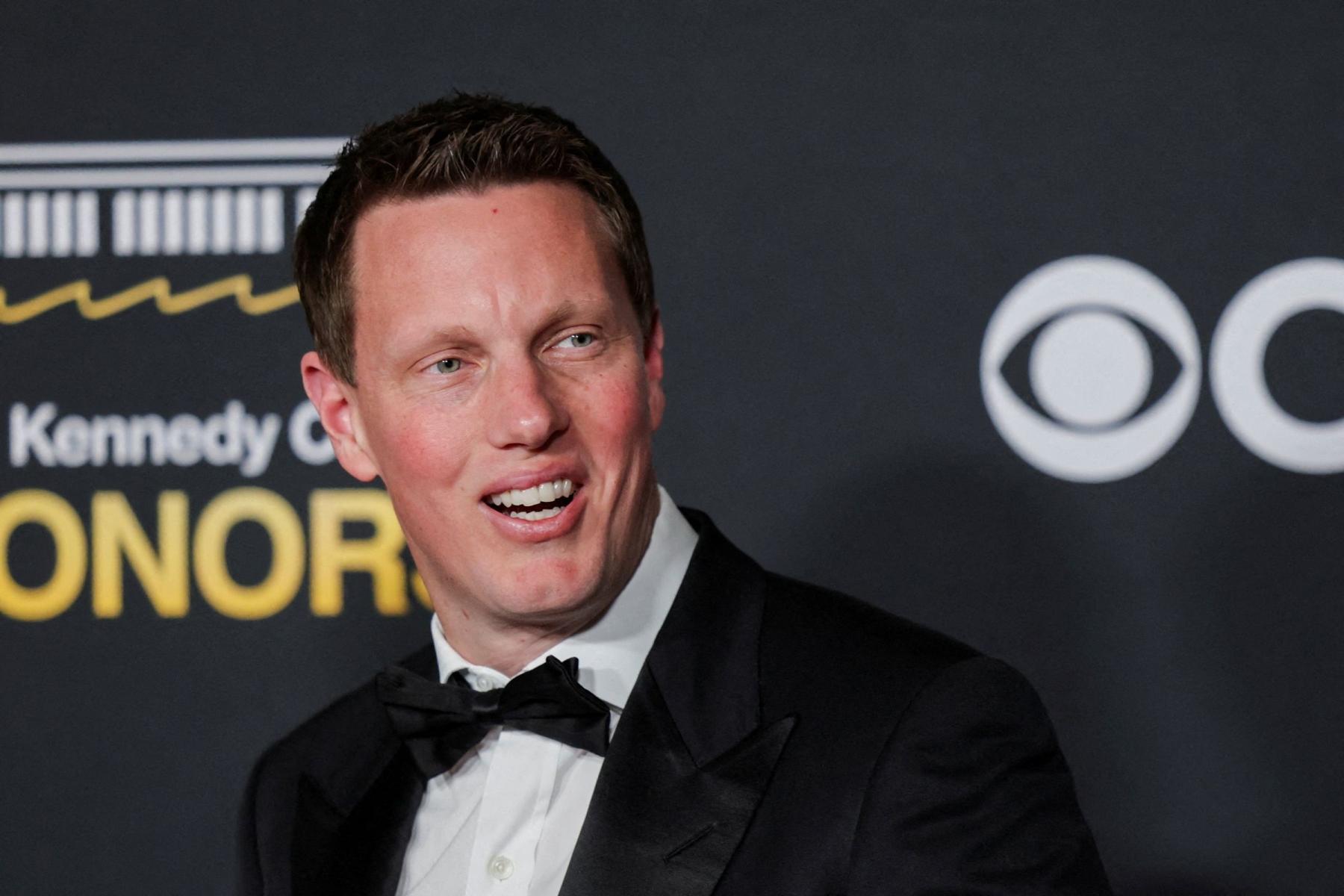
Skydance is led by David Ellison, the son of Oracle magnate Larry Ellison, a close ally of President Donald Trump. The White House did not immediately respond to a request for comment on Netflix’s announcement.
But it’s not just Washington. Hollywood’s creative community is also shaping up to be bitterly divided over the merger. On one side are many of the directors, writers, actors and producers who actually make films and television series.
The Writers Guild of America, a union that represents Hollywood screenwriters, said the tie-up “must be blocked.”
“The outcome would eliminate jobs, push down wages, worsen conditions for all entertainment workers, raise prices for consumers, and reduce the volume and diversity of content for all viewers,” the guild said in a statement.
Despite the fact Netflix has long attracted A-list talent, many filmmakers remain deeply skeptical of any platform that prioritizes a streaming-first approach to distribution and largely eschews theatrical exhibition.
Netflix typically puts only certain titles in select cinemas for short runs, and in some cases only to meet eligibility standards for awards consideration.
“I think that’s fundamentally rotten to the core,” the Oscar-winning director and producer James Cameron said in a recent interview with entertainment journalist Matt Belloni.
“A movie should be made as a movie for theatrical, and the Academy Awards mean nothing to me if they don’t mean theatrical,” Cameron said. “I think they’ve been co-opted [by the streaming platforms], and I think it’s horrific.”
When Belloni pointed out that Netflix has promised to continue putting Warner Bros. titles in theaters, Cameron dismissed the pledge as “sucker bait.”
“Netflix would be a disaster,” Cameron said.
Few industries stand to lose more from the Netflix release model than the movie theater industry, whose leading trade group called the planned merger an “unprecedented threat to the global exhibition business.”
“The negative impact of this acquisition will impact theatres from the biggest circuits to one-screen independents in small towns in the United States and around the world,” said Michael O’Leary, president and chief executive of Cinema United, the theater trade group.
“Cinema United stands ready to support industry changes that lead to increased movie production and give consumers more opportunities to enjoy a day at the local theatre,” he said in a statement Friday. “But Netflix’s stated business model does not support theatrical exhibition. In fact, it is the opposite.”
But while opponents to the merger have already come out swinging, some top-tier filmmakers may have a more nuanced perspective on Netflix’s influence.
Netflix has provided a safe haven for the work of acclaimed, risk-taking directors, such as Martin Scorsese’s “The Irishman,” Guillermo del Toro’s “Frankenstein,” Spike Lee’s “Da 5 Bloods” and Jane Campion’s “The Power of the Dog.” (None have publicly endorsed the merger.)
For others, Netflix is merely the least bad option in a bleak media landscape.
In the eyes of some Hollywood executives, what’s more troubling than the streaming vs. theatrical release issue is the existential threat posed by Google’s YouTube and ByteDance’s TikTok.
The two free content platforms continue to give the traditional entertainment industry a run for its money in the battle for eyeballs and attention. In the month of October, YouTube was the leading television viewing platform, according to Nielsen, an audience measurement firm.
That’s all before you factor in the disruptive rise of generative artificial intelligence, which produces videos at warp speed.
When you consider what the future of media looks like for Hollywood, Warner Bros. may have decided its best chance for survival was in the tight embrace of Netflix.