The regime is cracking. But foreign powers have other plans for the Islamic republic.
Iran is revolting. But the US and Israel are threatening to bomb it again anyway.
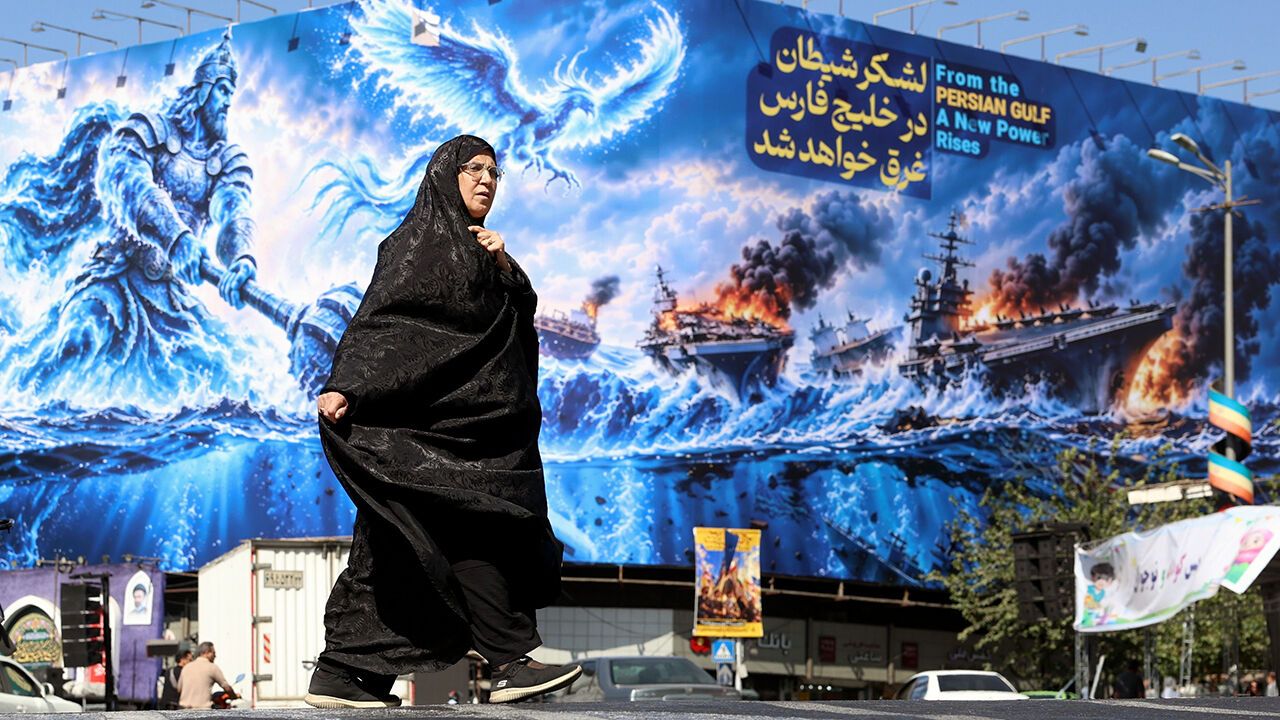
The extremist Islamic state has entered its fourth day of protests, triggered when shopkeepers from Tehran’s Grand Bazaar took to the surrounding streets over soaring costs.
Since then, shopkeepers, university students and civilians around the nation have begun airing their grievances publicly.
The extent and suddenness of the outcry have caught the authoritarian government by surprise.
So it has seized on comments from US President Donald Trump and Israeli Prime Minister Benjamin Netanyahu earlier this week in an attempt to shift the blame.
“On one side, they block our sales, our exchanges, our trade, and on the other side, expectations in society have risen,” Iranian President Masoud Pezeshkian told Iranian state-controlled media.

“We must all help with all our might to fix the country.”
President Pezeshkian conceded that the growing expression of public anger was justified. Iran’s currency has crashed by more than 50 per cent over the past year. And many basic foodstuffs have soared in price.
“I have asked the Interior Minister to listen to the legitimate demands of the protesters by engaging in dialogue with their representatives so that the government can do everything in its power to resolve the problems and act responsibly,” he told the Iranian Republican News Agency (IRNA) overnight.
‘Knock the hell out of them’
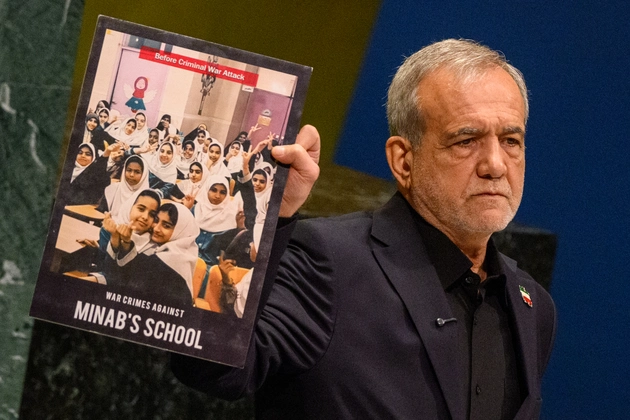
“We are in a full-scale war with the US, Israel and Europe; they don’t want our country to remain stable,” President Pezeshkian stated Sunday.
Days later, a meeting between Israeli and US leaders added fuel to the fire.
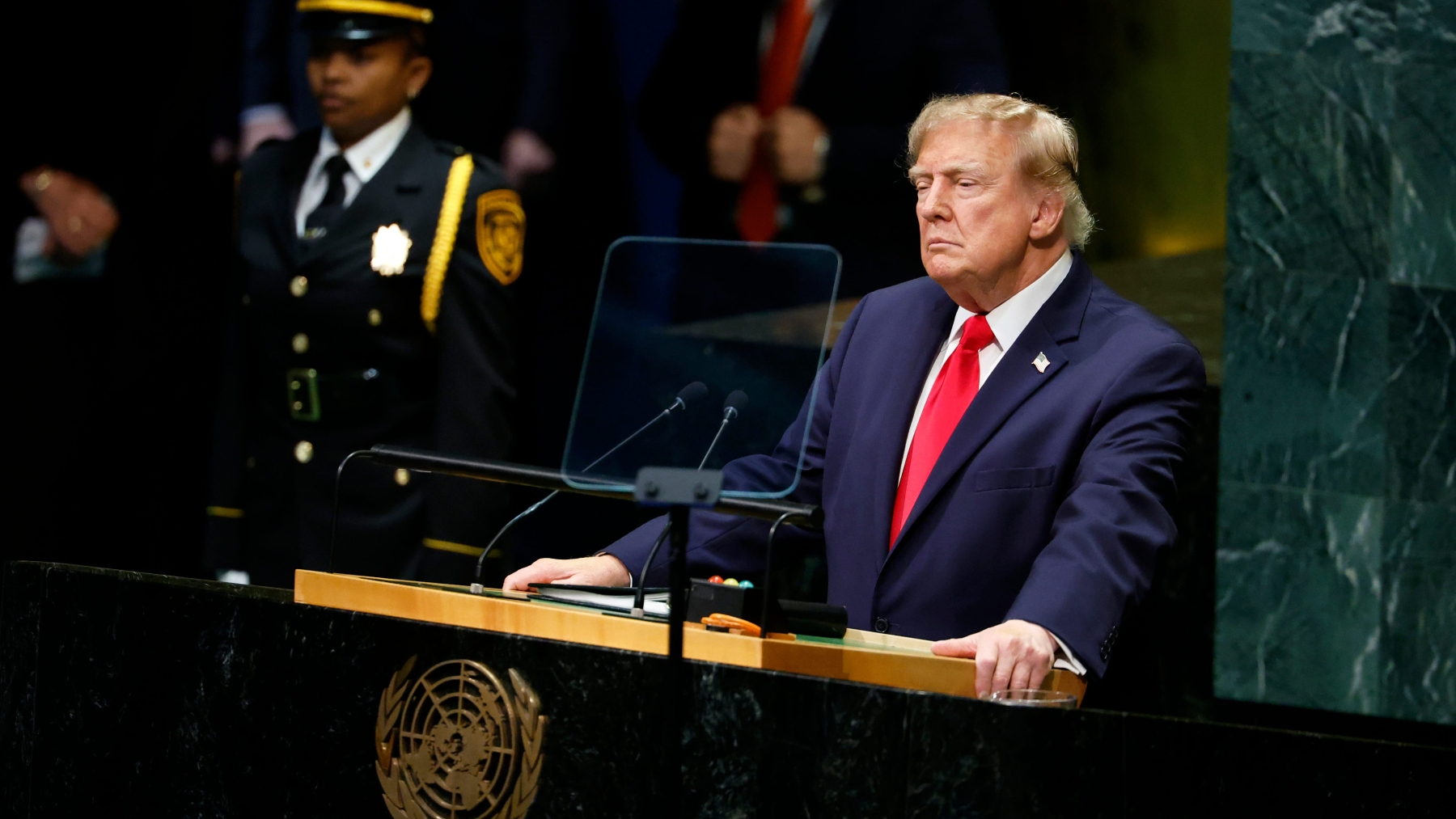
“Now I hear that Iran is trying to build up again,” President Trump told a news conference with Prime Minister Netanyahu on Tuesday.
“And if they are, we’re going to have to knock them down. We’ll knock them down. We’ll knock the hell out of them. But hopefully that’s not happening.”
The Shi’a Islamic regime has responded with equally tough talk.
“[The] answer of the Islamic Republic of Iran to any cruel aggression will be harsh and discouraging,” President Pezeshkian said in a social media post overnight.
President Trump was responding to Israeli reports that the 12-day war against Iran’s nuclear and missile facilities in June was less successful than initially reported.
The 47th President of the United States had declared that a bunker-busting barrage of bombs from B-2 Spirit stealth bombers had resulted in the “total obliteration” of Iran’s nuclear program.
Subsequent intelligence analysis has reportedly revealed the attacks instead caused production delays of a few months.
Now, Trump is threatening another attack.
“If it’s confirmed, they know the consequences, and the consequences will be very powerful, maybe more powerful than the last time,” he stated.
Israel has also reportedly warned that Iran has rebuilt its ballistic missile stocks to pre-war levels and has been testing improvements to their motors and guidance systems.
About 550 missiles were fired at Israel in June. Only 36 succeeded in evading its defences.
Blame games
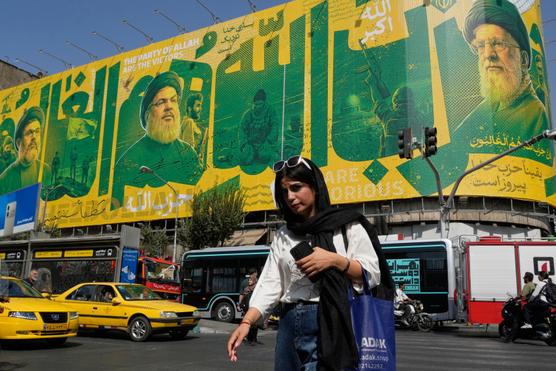
“The enemies of the Islamic Revolution continue to seek to recreate past unrest through modern tools of psychological operations, narrative-building, and cognitive warfare,” reads an overnight statement from the Islamic Revolution Guard Corps (IRGC).
It warned that it was on heightened alert for both “external threats” and “misguided instigators”.
This means tear gas and water cannons are being deployed. “Minor physical clashes were reported between some protesters and the security forces,” the Iranian Fars news agency states.
Tehran has been ramping up a narrative of foreign interference in internal affairs since the 12-day war ended. It has executed alleged Israeli spies and instigated tough new internal security clampdowns.

“They wanted to create sedition on the streets... But people were absolutely not influenced by what the enemy wanted,” the nation’s spiritual leader, Ayatollah Ali Khamenei, proclaimed in September.
At the weekend, President Pezeshkian compared the conflict to the decade-long war with Iraq in the 1980s.
“In the war with Iraq, the situation was clear: they fired missiles,” he said. This time, Israel and the US were “besieging” Iran economically, politically and militarily.
“Despite all the problems we face, we are now—in terms of both equipment and personnel—far stronger than we were during their previous attacks,” he added.
Rising recriminations
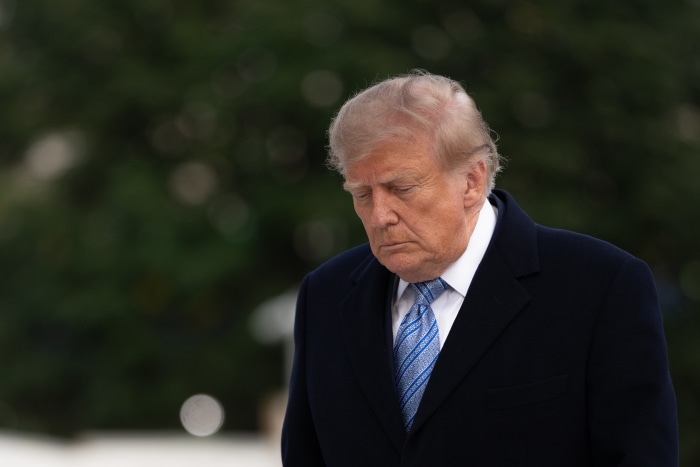
“They’ve got a lot of problems: tremendous inflation, their economy is bust, their economy is no good, and I know people aren’t so happy,” President Trump assessed on Tuesday.
But he didn’t repeat calls for regime change.
Instead, the US State Department posted to social media that the Trump Administration “praises the courage” of protesters for demanding “dignity and a better future”.
Iranian President Pezeshkian is, for the moment, tackling the internal crisis with kid gloves. Government statements insist it will “listen with patience, even if confronted with harsh voices.”

And Iran’s Chief Justice Gholamhossein Mohseni Ejei has called for “the swift punishment of those responsible for currency fluctuations”.
Yesterday, this led to the resignation of Iran’s Central Bank governor, Mohammadreza Farzin. But President Pezeshkian then appointed former economy and finance minister Abdolnasser Hemmati to the job - despite having already sacked him for his role in allowing inflation to spiral out of control.
Iran’s currency, the Rial, has lost 50 per cent of its value over the past year. And it’s been sliding by double digits every year for more than a decade.
The exiled son of Shah Mohammad Reza Pahlavi, who was overthrown in Iran’s 1978 revolution, has taken to social media to support protesters.
“As long as this regime remains in power, the country’s economic situation will continue to deteriorate,” he posted from his US refuge.
“I am with you. Victory is ours because our cause is just and because we are united.”