By Siladitya Ray, Forbes Staff
Topline
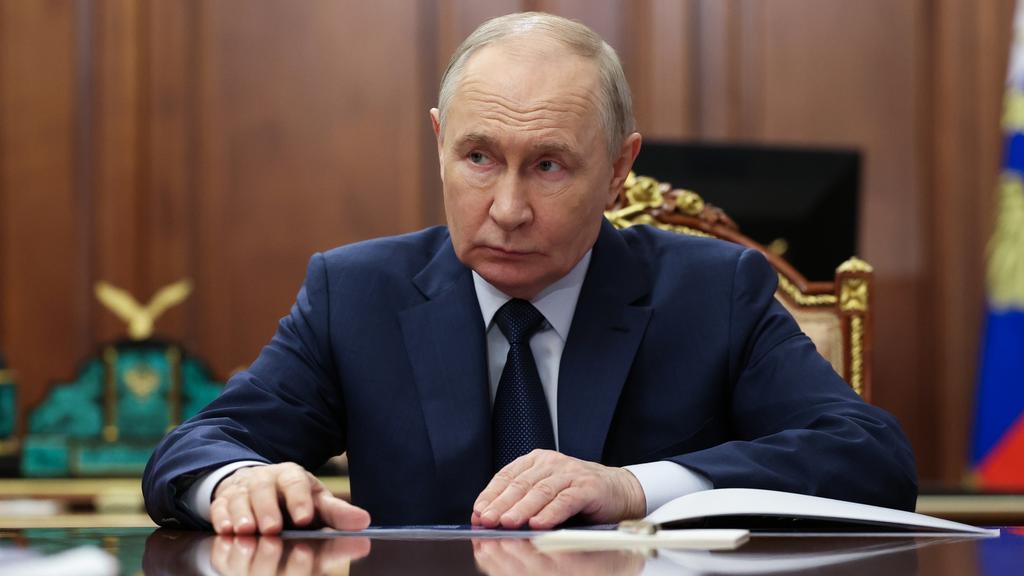
Russian President Vladimir Putin’s special economic envoy, Kirill Dmitriev, said he held discussions about the “crisis situation” in energy markets with officials from President Donald Trump’s administration in Florida and appeared to signal that the White House may loosen sanctions on Russian energy to address the spike in oil prices triggered by the Iran War.
Key Facts
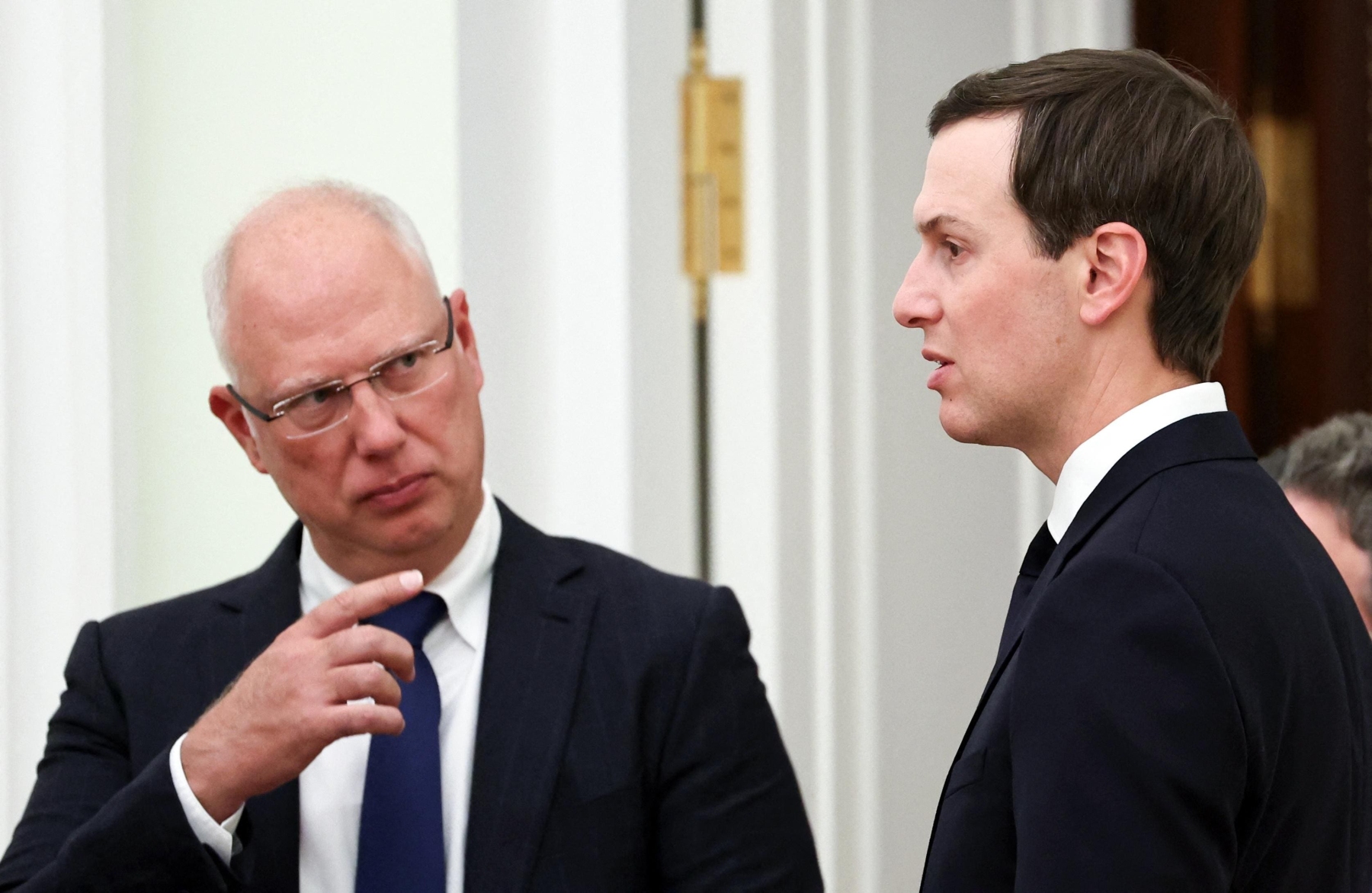
On Tuesday, Dmitriev met with Trump’s special envoy Steve Witkoff, his son-in-law Jared Kushner and White House Senior Advisor Josh Gruenbaum in Florida—with Witkoff noting that a “variety of topics,” were discussed without sharing details.
In a Telegram post, Dmitriev offered more details about the meeting, describing it as involving “the leaders of the working group on economic cooperation between Russia and the United States.”
The Russian envoy claimed that the two sides discussed “promising projects” that could help restore U.S.-Russian relations and also the ongoing “crisis” in the global energy markets, triggered by the U.S.-Israeli war with Iran.
Dmitriev declared that the U.S. and other countries were now “beginning to better understand the key, systemic role of Russian oil and gas in ensuring the stability of the global economy.”
The Putin envoy then appeared to signal that the U.S. may be willing to ease certain sanctions imposed on Moscow, noting that officials are understanding the “ineffectiveness and destructive nature of sanctions against Russia.”
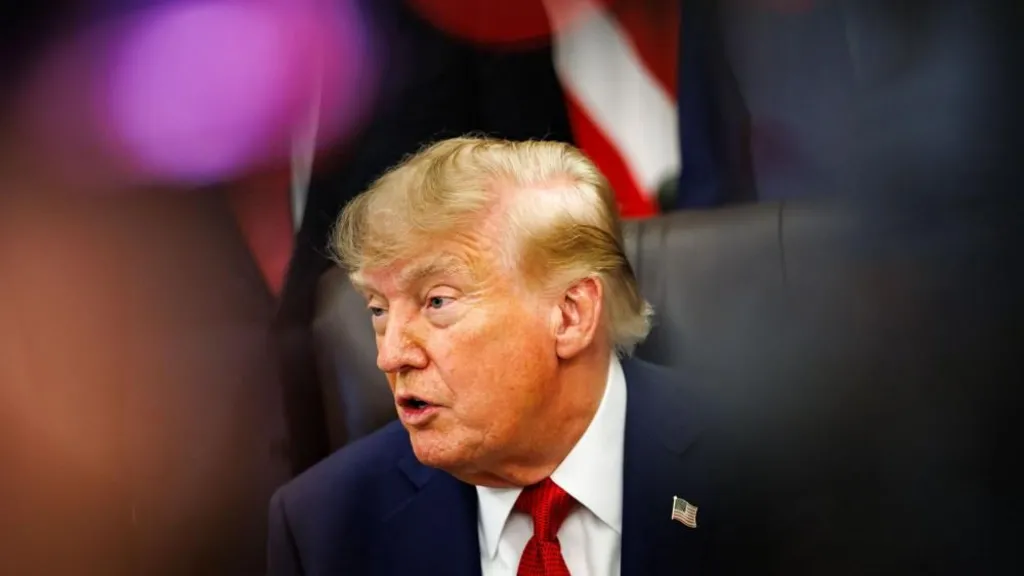
Earlier this week, Trump told reporters he had a “very good call with President Putin” and said the Russian president “wants to be helpful,” with the Iran war situation. Trump said he told Putin, “You could be more helpful by getting the Ukraine-Russia war over with.” Without specifically mentioning Russia, the president also said his administration will be “waiving certain oil-related sanctions to reduce prices…We're going to take those sanctions off until this straightens out.”
Last week, Treasury Secretary Scott Bessent announced a special waiver for India, allowing it to buy Russian oil without facing any sanctions and tariff threats. In a post on X, the Treasury Secretary wrote: “To enable oil to keep flowing into the global market, the Treasury Department is issuing a temporary 30-day waiver to allow Indian refiners to purchase Russian oil.” He claimed this was a “short-term measure” that would not provide “significant financial benefit to the Russian government, as it only authorizes transactions involving oil already stranded at sea.” He added: “India is an essential partner of the United States, and we fully anticipate that New Delhi will ramp up purchases of U.S. oil.” Trump had previously slapped India with a 25% penalty levy, on top of a 25% “reciprocal” tariff, on its purchases of Russian oil. Last month, the tariff rate for India was reduced from 50% to 18% after both sides said they agreed to a framework for a trade deal and the president claimed India had made a commitment to stop buying Russian oil.
U.S. Grants India Waiver To Buy Russian Oil—As Iran War Drives Crude Prices Near $87 (Forbes)