

Court says the government is likely to prevail in its defense of ending TPS protections
A federal appeals court allowed President Trump on Monday to move forward with ending deportation protections for more than 60,000 migrants from Nepal, Honduras and Nicaragua, a victory for his administration’s push to curtail a program for migrants fleeing crisis at home.
Kristi Noem, the secretary of homeland security, has moved to end the Temporary Protected Status program for hundreds of thousands of migrants fleeing instability and war in their home countries.
In lawsuits challenging those policies, many district court judges have ruled against the Trump administration, finding that the termination of the deportation protections was preordained and driven by an intent to end T.P.S. But in a similar case last year, the Supreme Court allowed deportation protections to expire for hundreds of thousands of Venezuelan migrants.
Judge Trina L. Thompson of the Northern District of California, who had overseen the court case for Nepalese, Honduran and Nicaraguan migrants, wrote in a withering order last year that Ms. Noem had perpetuated xenophobic stereotypes and racist conspiracy theories in her drive to suspend their T.P.S. protections.
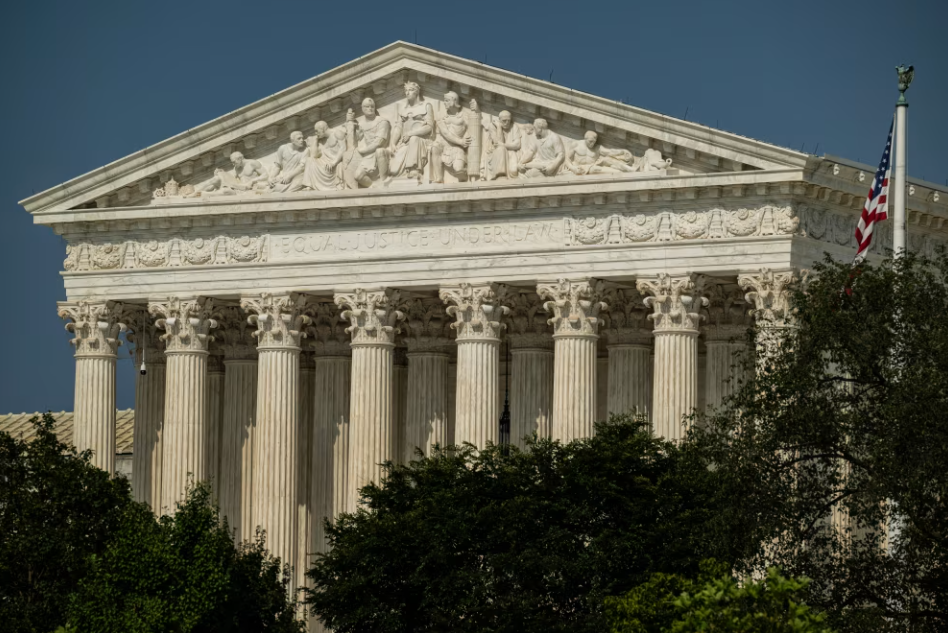
But a three-judge panel of the U.S. Court of Appeals for the Ninth Circuit stayed Judge Thompson’s ruling at the request of the Trump administration, pointing to the Supreme Court’s rulings in the Venezuelan case.
The Ninth Circuit panel wrote in an unsigned ruling that there was significant evidence supporting the Trump administration’s position — reasoning that Ms. Noem’s decision to terminate the programs may not be subject to judicial review, and that “the government can likely show that the administrative record adequately supports the secretary’s action.”
“We are not writing on a blank slate,” the judges wrote. The Supreme Court orders, which were unsigned, “contained no reasoning, so they do not inform our analysis of the legal issues in this case,” the judges wrote, but “we have been admonished that the court’s stay orders must inform” the rulings in their own cases.
Some 50,000 Hondurans, 7,000 Nepalis and 3,000 Nicaraguans are covered under Temporary Protected Status, according to the Congressional Research Service. The decades-old program allows people from countries facing armed conflict, natural disasters and other catastrophes to temporarily live and work in the United States. Its protections for migrants from some countries have been renewed for years as turmoil in their nations continues.
The program has been a high-profile target of Mr. Trump’s administration’s deportation efforts. In total, the government has moved to eliminate the program for more than one million people from eight countries, arguing that the programs were originally aimed at providing temporary relief and have expanded beyond their original scope. administration.