
Taking over Hollywood’s biggest studio would transform streaming giant’s business model, at a steep price
Netflix NFLX -2.89%decrease; red down pointing triangle has made some hard turns before. But its latest is already causing whiplash.
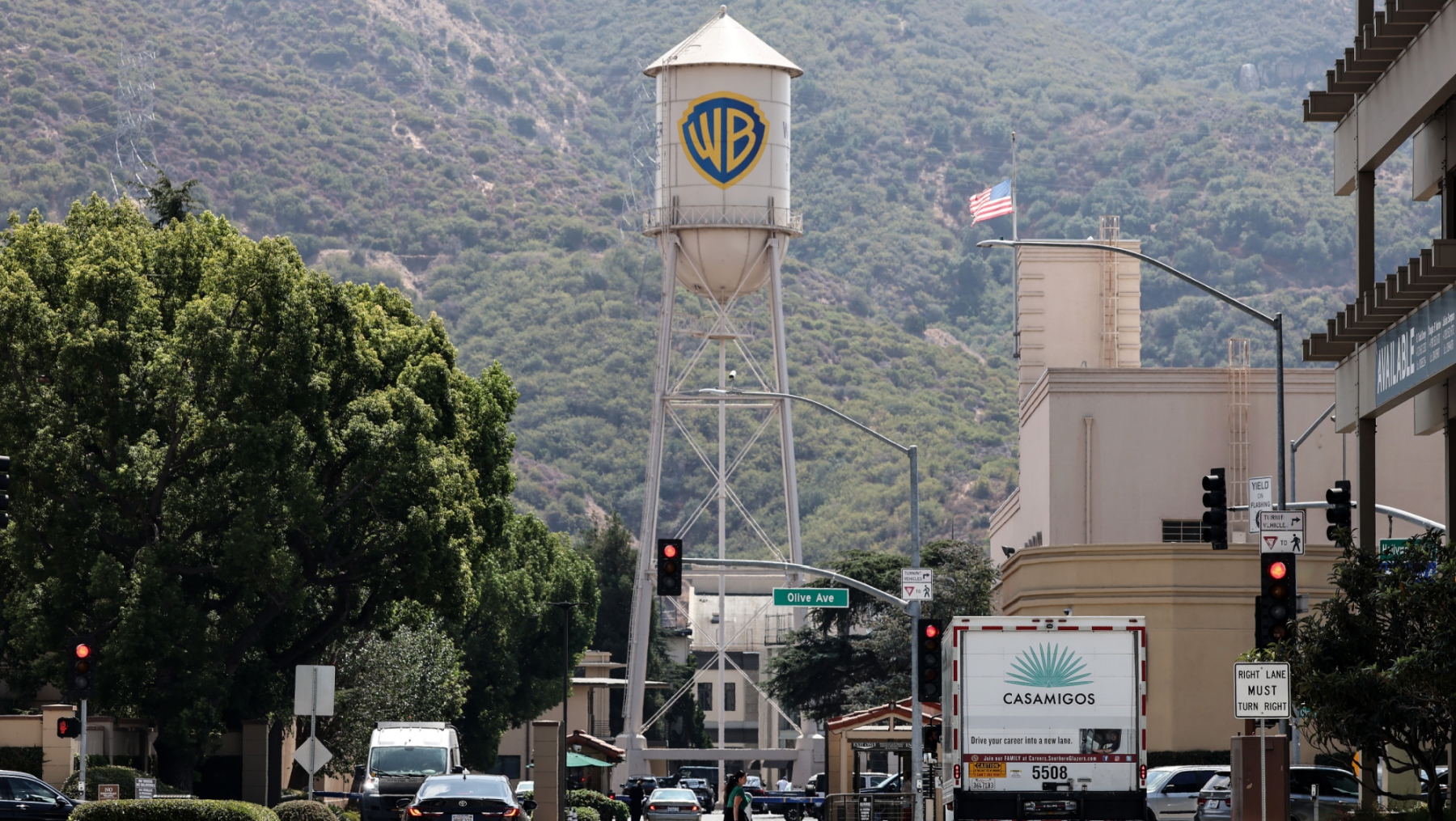
In a deal announced Friday morning, Netflix will be acquiring the Warner Bros. film and TV studio business for $72 billion. That is a big price considering the entirety of Warner Bros. Discovery was fetching a market cap just over $30 billion in early September before deal speculation began. And it is a massive move for Netflix, which has never spent more than $700 million on an acquisition.
Most of that will be in cash—representing a significant outlay for a company now producing about $9 billion in annual free cash flow. But the money is only a small part of the risk here. Buying the Warner Bros. business—once the company splits from its TV network operation later next year—portends a major shift in the Netflix business model. The streaming pure-play would become a full-bore Hollywood studio that produces movies for theaters, and TV shows for other networks.
Netflix said Friday it intends to keep running those parts of Warner Bros. That would put the company in the position of producing content for other streamers after many years of producing only for its own platform. It also would mean Netflix, which has long been dismissive of the theatrical business, would be on the hook for spending hundreds of millions of dollars apiece to produce and market movies that could very well fall flat with audiences. And the whole world would know, as box-office tallies are public compared with the black-box nature of streaming services.
All those changes are rightfully worrying to Netflix investors. The stock slipped nearly 3% Friday after the deal was announced, adding to a 17% drop since the company’s third-quarter earnings release in late October that coincided with reports that it was interested in making a bid for Warner.
With the deal announcement, Netflix’s stock “transitions from pure, organic growth elegance to something more complicated,” Wolfe Research analyst Peter Supino wrote in a note to clients Friday.
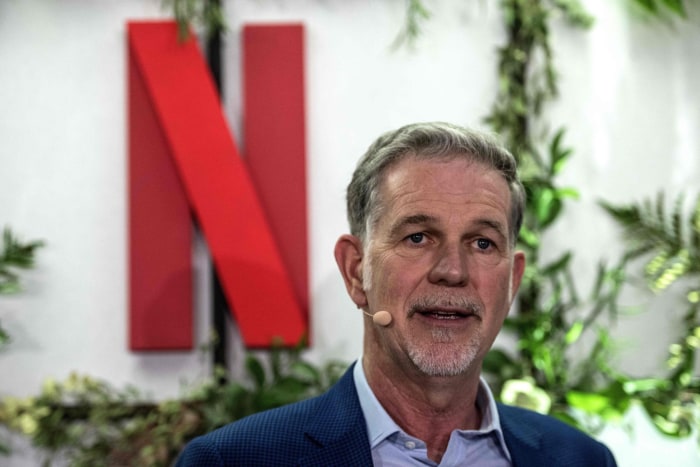
Netflix still carries a $425 billion market capitalization that is far greater than any Hollywood player—equivalent to more than two Disneys. And the company has successfully executed major business shifts in the past, including its evolution from DVD rentals by mail to streaming its own, exclusive programming. More recent shifts, like the introduction of account-sharing and advertising tiers, were also major departures; Netflix co-founder Reed Hastings described advertising as a way of “exploiting users” in an early 2020 earnings call.
But a common thread across all those changes was the company’s preference for building over buying. And Netflix has maintained that line until very recently. Co-Chief Executive Greg Peters told a Bloomberg conference in October that major media mergers “don’t have an amazing track record over the history of time.” He now notes, though, that a big reason for past failures was buyers from outside the industry who didn’t know what they were doing.
“A lot of those failures that we’ve seen historically are because the company that was doing the acquisition didn’t understand the entertainment business. They didn’t really understand what they were buying,” Peters said on a conference call Friday morning. “We understand these assets that we’re buying.”
Yet Netflix still has many thorny questions to address. Peters and Co-CEO Ted Sarandos both used Friday’s call to tout the benefit of adding content from HBO and Warner’s other major brands to Netflix. But Warner also licenses a lot of its shows and movies to other streamers, who would complain loudly if Netflix started keeping more for itself. And combining Netflix and HBO into sort of a super-streamer would give Netflix cover to significantly raise its prices—the prospect of which is likely to fuel antitrust scrutiny that is already assured on this deal.
Also unclear is how much Netflix will commit to theatrical releases, at least beyond what already exists in Warner’s pipeline. Sarandos said Friday that bringing first-run movies to Netflix subscribers remains the company’s “primary goal.” But Warner has historically been the largest producer of theatrical movies by annual release count, so even just cutting back on releases would risk strong ire from Hollywood’s creative community. Movie exhibition stocks Cinemark, AMC Entertainment and IMAX all slid on Friday.
And all this assumes that Netflix can get this deal past regulators who are already concerned about the streaming giant’s dominance. It may come down to how the streaming market is defined—Netflix has more than 300 million paying subscribers but is still tiny next to YouTube in terms of viewing time.
Netflix’s rival bidders are unlikely to just give up. Paramount Skydance, in particular, has ties to the Trump administration and a strong need to scale up its streaming and studio offerings. The $5.8 billion termination fee that Netflix would have to pay if the deal falls through is telling: It is the third-largest such fee ever, and the highest since Broadcom tried to buy Qualcomm in 2017, according to Dealogic.
All these questions will likely hang over Netflix’s stock well into next year. “The question is whether the opportunity is worthy of moving so significantly from building to buying, the considerable investment of management time and financial resources, as well as the risks of a prolonged, likely highly politicized deal process,” wrote Dan Salmon of New Street Research, who cut his price target on Netflix shares by 17% following the deal’s announcement.
Netflix may have won the streaming war, but taking over Warner is a whole new battle that will likely leave fresh wounds.
Write to Dan Gallagher at dan.gallagher@wsj.com