
The business of selling music has always been a source of grievance for those who create it
The biggest companies in music are provoking a rising drumbeat of criticism. Spotify paid out a record-breaking $10bn in royalties in 2024, but remains beset by allegations that artists aren’t being remunerated adequately. Its recommendation system is condemned for supposedly treating listeners like sheeple, herding them algorithmically from song to song. For haters, the world’s most popular music streaming service is the worst innovation to emerge from Sweden since fermented herring.
With more than 30 per cent global market share, Spotify bestrides streamed music like a colossus. Live Nation is similarly dominant in the live circuit. The US company has a global portfolio of venues and festivals, and owns the ticketing giant Ticketmaster.
CEO Michael Rapino recently argued that concerts are undervalued compared with sporting events. “They beat me up if we charge $800 for Beyoncé,” he joked with impolitic candour. There was uproar at his advocacy of higher prices, but it was unsurprising. Live Nation has gained a name for purportedly driving ticket costs upwards.
Last month, Olivia Dean wrote an open letter to Ticketmaster and its rival AXS, decrying “vile” reselling practices that saw tickets for the London singer’s forthcoming tour being listed at upwards of $1,000. This time, Rapino struck a chastened note as Ticketmaster promised to cap resale prices and refund fans. “We share Olivia’s desire to keep live music accessible,” he said emolliently.

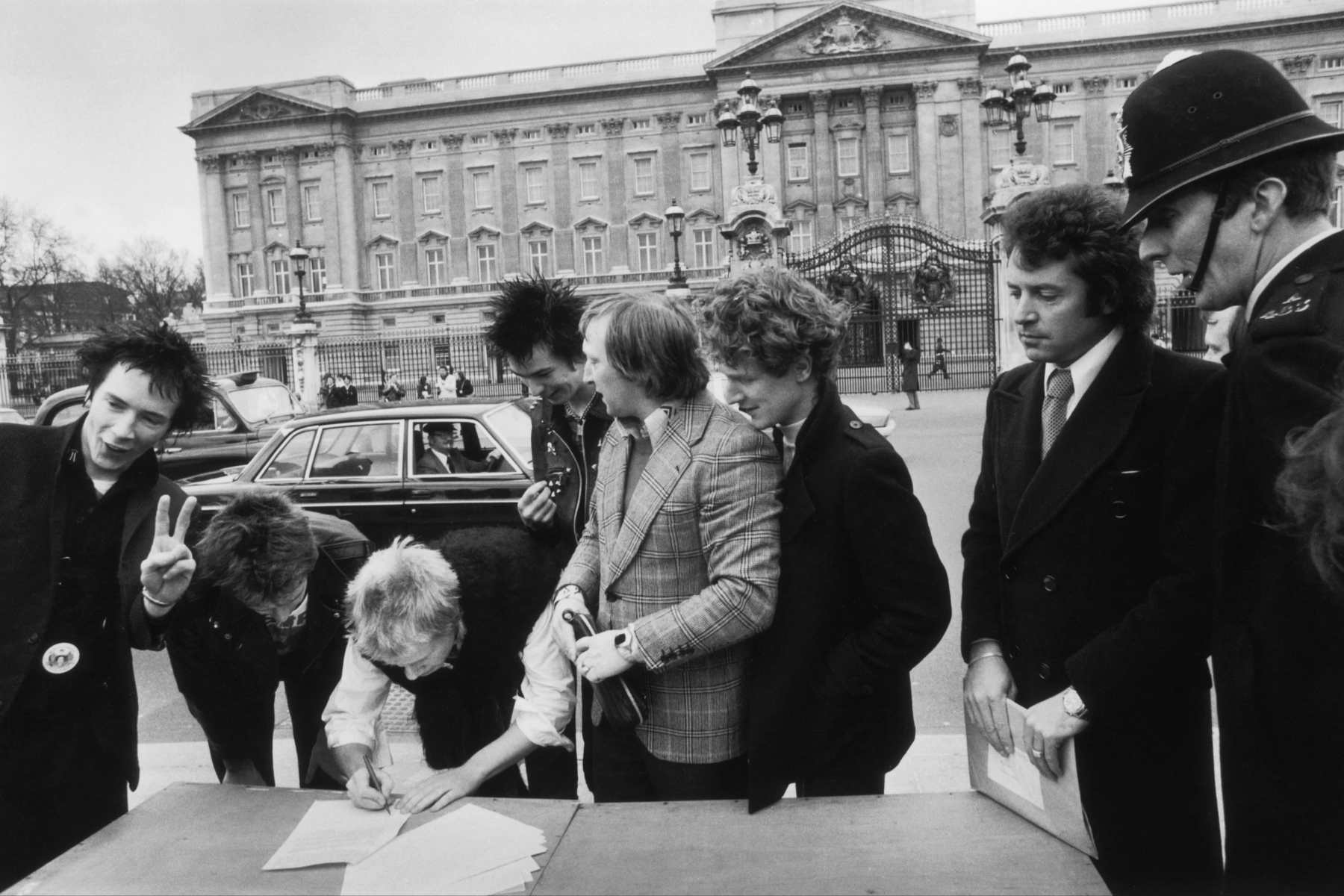
The business of selling music has always been a source of grievance for those who create it. In the past, the chief-baddie role was assigned to record labels. Pop lore abounds with tales of confrontation, such as Malcolm McLaren crowing about engineering “cash from chaos” when the Sex Pistols were signed and then dropped by EMI and A&M Records.
For rock’s insurrectionists, labels, especially majors such as EMI, were the enemy. They represented a parasitic world of recoupable advances and complicated contracts in which the men in suits usually came out on top. Standard industry practice of taking copyright ownership over recordings aggravated the ill feeling. The word “corporate” became a pejorative. Dave Grohl, speaking during a Nirvana interview in 1991, implausibly claimed that the band had signed to the major label Geffen in order to “get inside the machine and throw a wrench into the system and destroy corporate rock altogether”.

That sort of wild talk used to be common but died out as rock’s relevance faded. Rap, rock’s successor as rebel music, emerged outside the traditional record label system. Its entrepreneurial culture places value on branding and commerce. There is distrust of the music industry due to its history of racial exploitation, but also a close interest in its operations. Empire-building rappers such as Jay-Z wanted to take over the system, not throw a wrench in it. As he once rapped: “I’m not a businessman, I’m a business, man.”
Collapsing sales in the 2000s also altered perceptions of labels. With revenues declining from $36.9bn in 2000 to $15.9bn in 2010, they ceased to be caricatured as soulless manipulators and were instead designated as underdogs. There was dismay when EMI, mocked as a haven for “useless fools” by the Sex Pistols in a track named after the label, was broken up and sold in 2012.
The antagonism formerly directed at the major labels has now been displaced on to Spotify. There is an irony here. The platform has always collaborated closely with the majors, to the extent of giving them equity stakes when it launched in 2008. Opacity surrounds the licensing agreements between the labels and the streaming service. That leaves Spotify bearing the brunt of charges that revenue is not being shared equitably with artists.
Its reputation has waxed and waned over the years. In 2014, Taylor Swift temporarily removed her songs from its catalogue in a dispute over payment rates. By 2017, however, Spotify was winning acclaim as the music industry’s saviour due to booming popularity.

This year may come to be seen as the tipping point when the public relations battle was lost. Live Nation’s perceived association with rampant ticket price inflation grates badly at a time when independent venues are closing and musicians complain of seeing touring earnings evaporate. Meanwhile, Spotify has been assailed on several fronts, from songwriters protesting royalty rates to its non-labelling of AI-generated music.
Massive Attack are among acts to have removed their work from the platform after a venture capital firm founded by its CEO Daniel Ek invested €600mn in a company developing military AI weaponry. This surely marks the point at which a Hollywood studio contemplating a biopic of Ek might consider a casting call to Mads Mikkelsen, Scandinavian specialist in movie villains.
EMI was also attacked for links to arms manufacturing in the late 1980s, via its then parent company. That was the era when the term “corporate” was spat out as though it were poisonous by the unrevolutionary likes of Grohl, aka the “the nicest guy in rock”. A similar sentiment has re-emerged in the otherwise transformed music business of today. The clamour may not change anything, but I expect it to grow in the year ahead. Stick it to The Man, in the argot of old.
Find out about our latest stories first — follow FT Weekend on Instagram, Bluesky and X, and sign up to receive the FT Weekend newsletter every Saturday morning