
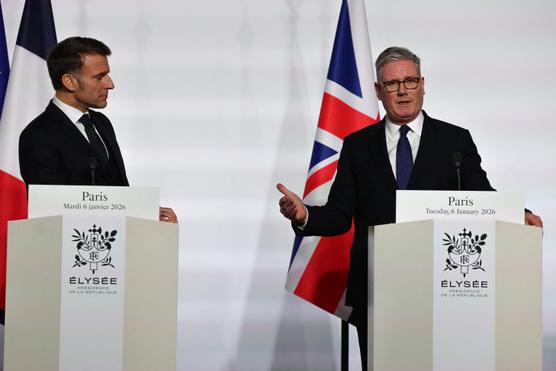
Wanting to avoid being drawn into the US's blockade of the key shipping route, Macron and Starmer aim to establish a multilateral and 'strictly defensive' plan to secure the Strait of Hormuz.
By Cécile Ducourtieux , Claire Gatinois and Elise Vincent
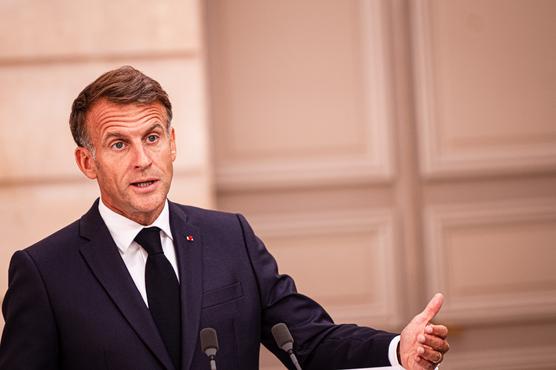
Donald Trump called him a coward. But British Prime Minister Keir Starmer held firm, preferring diplomacy to military adventures. He made clear on Monday, April 13, that the United Kingdom would not support the US president's blockade of the Strate of Hormuz. Instead, he rallied France's initiative of a "multinational mission" to restore freedom of navigation in the strait. A video conference co-chaired by France and the UK is set to take place on Friday with around 40 "non-belligerent" countries. The initiative is intended to be "strictly defensive," according to French President Emmanuel Macron. Its implementation would only begin once the hostilities launched at the end of February by the US and Israel in Iran have ended.
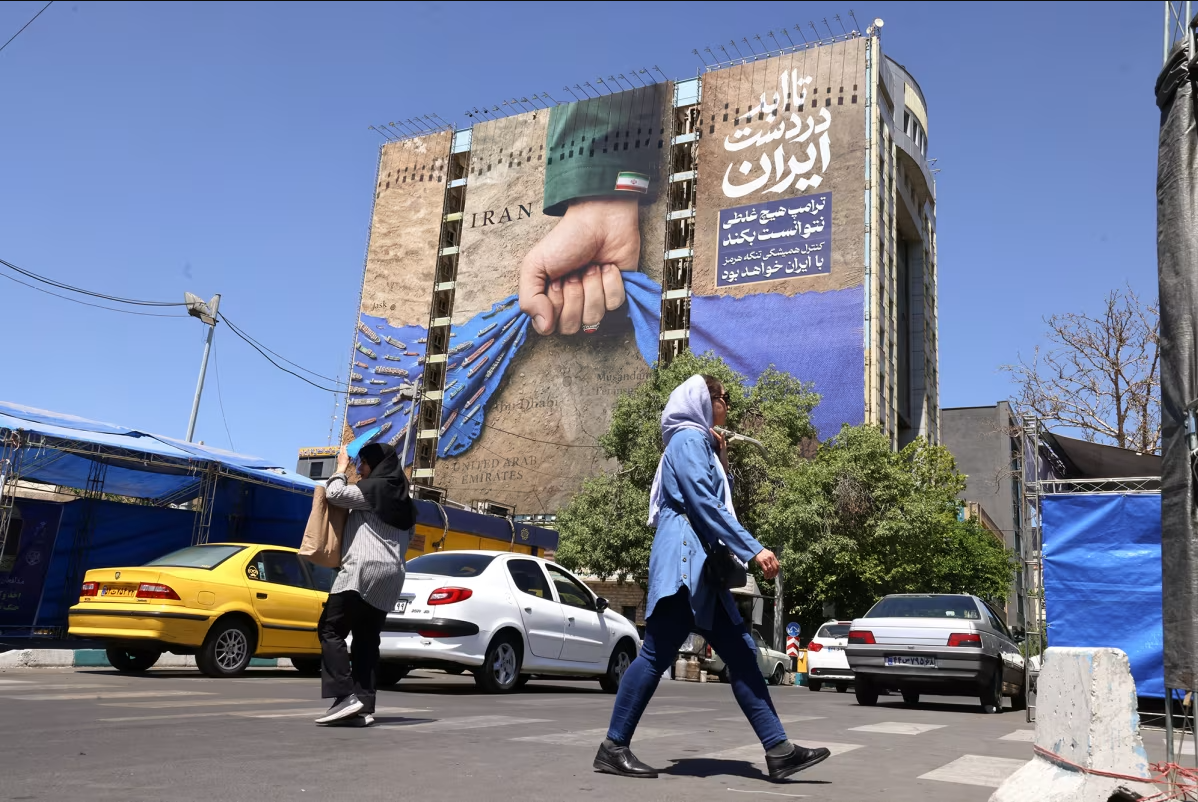
"Whatever the pressure, and there's been some considerable pressure, we're not getting dragged into the war," Starmer told Parliament on Monday, describing the US blockade as lacking "a clear, lawful basis" and "a clear thought-through plan." Trump's repeated outbursts, and notably his mockery that Starmer is "no Winston Churchill," have carried less weight in the UK than the unpopularity of the Iran war, which has no clearly stated goals. After six weeks, the war has only radicalized the Iranian regime and paralyzed traffic through Hormuz, a vital global shipping route, particularly for the world's oil and liquefied natural gas.
You have 78.61% of this article left to read. The rest is for subscribers only.