
Some of Morocco's traditional networks of influence in France have been put on hold in recent years. How they might be restructured remains uncertain, while new voices have struggled to replace high-profile figures.
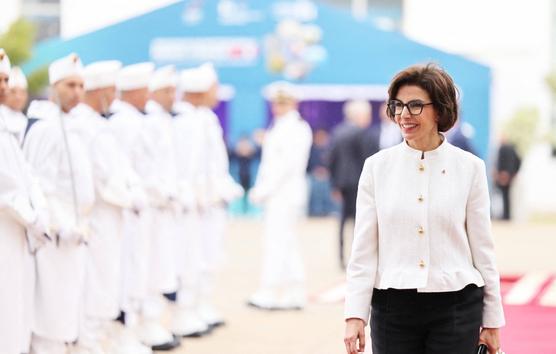
On July 30, 2024, France's culture minister, Rachida Dati, turned heads in her Schiaparelli shirtdress. The silk piece, with its surrealism-inspired prints, stood out among the djellabas, understated suits and ties and tailored outfits that filled the crowd that day in M'diq. The coastal city in northern Morocco was hosting celebrations of the 25th anniversary of Mohammed VI's accession to the throne. Red and green tents, set up for the occasion, sheltered the guests – government members, senior officials, high-ranking military officers and foreign dignitaries – from the searing heat of the Moroccan summer.
The festivities took on special significance that year. Early that morning, the royal office revealed the contents of a letter from French President Emmanuel Macron to Mohammed VI. "I consider the present and future of Western Sahara to be within the framework of Moroccan sovereignty," wrote Macron. "This course of history is essential and irreversible. We are all its architects," Dati tweeted in the afternoon.
Dati, the mayor of Paris's 7th arrondissement, where Mohammed VI owns a private mansion on Avenue Emile-Deschanel, knew what she was talking. In 2023, during a low point in French-Moroccan relations, she had urged Macron to firmly take Rabat's side in the conflict with the Algeria-backed Polisario Front, which is seeking independence for Western Sahara. "I have always been on His Majesty's side," she said during a visit to Morocco that May.
You have 88.28% of this article left to read. The rest is for subscribers only.