
From athletes such as Tristan Thompson to artists such as Iggy Azalea, celebrities have returned to hawking crypto
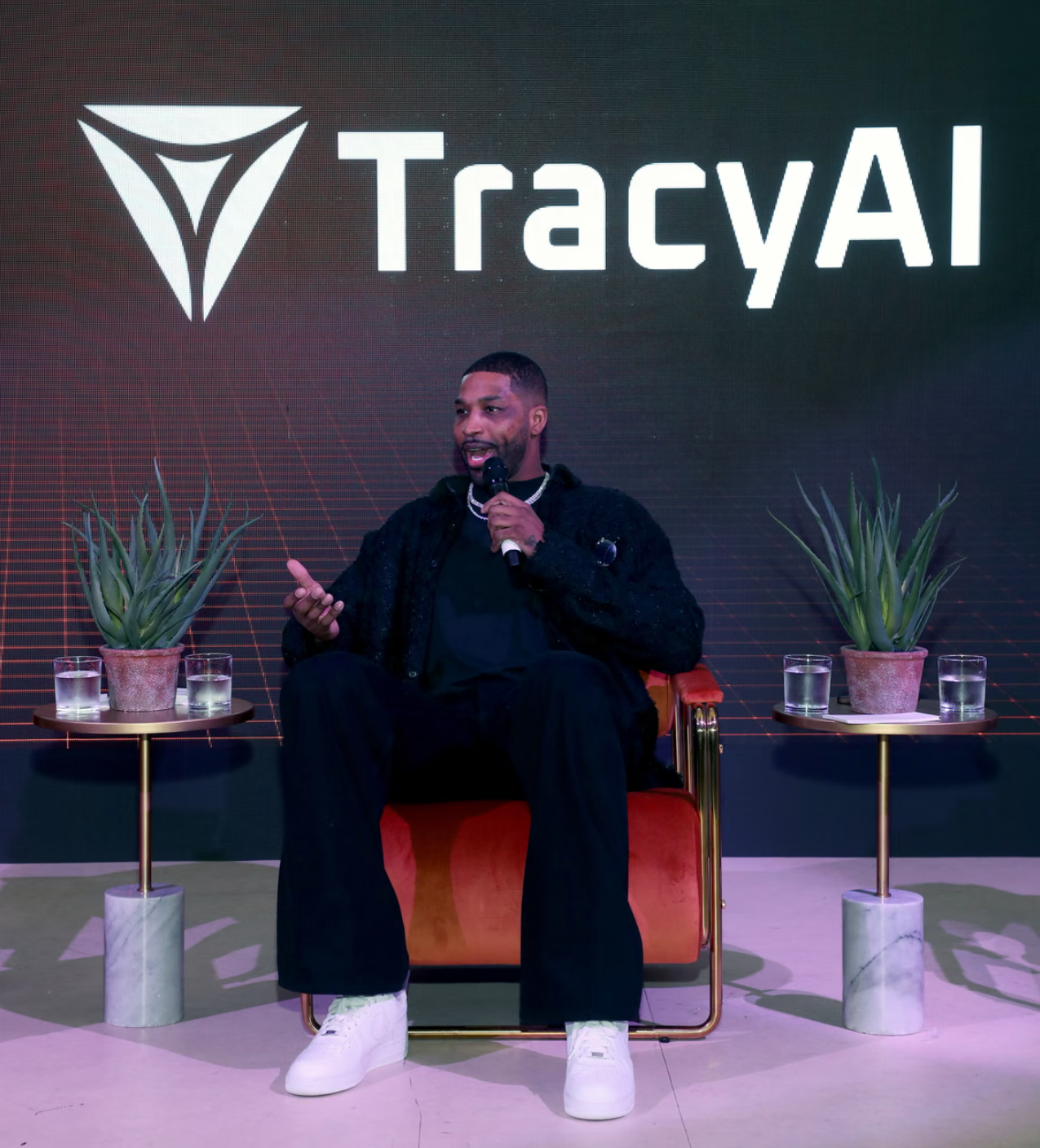
Following the numbers suggests Tristan Thompson is nearing the end of his basketball career. While the 6ft 9in center once regularly played more than 80 games in a regular season, he’s hit new career lows, appearing just 40 times on court during the 2024-2025 season. Following the money, however, suggests Thompson is pivoting into a new career. He’s rebranded as a crypto investor, consultant and brand ambassador, bringing his relative cultural cache to the blockchain. Now the host of his own podcast, Courtside Crypto, he has made frequent appearances with other crypto celebrities, such as at the Nasdaq in September, when he celebrated the IPO of an explicitly nationalist Bitcoin mining operation alongside Eric Trump; Thompson has also developed a crypto startup slated to launch in 2026.
In 2025, crypto is back in style in Washington and among a growing set in Hollywood, where Thompson lives adjacent to the Kardashian clan, some of whom have been crypto spokespeople. Donald Trump has reversed Joe Biden’s legal offensive against crypto, debuting his own token, $Trump, before his inauguration, and rolling back government actions against the industry, which heavily supported him during his bid for the presidency. Celebrities have likewise returned to hawking cryptocurrency projects or launching tokens of their own.
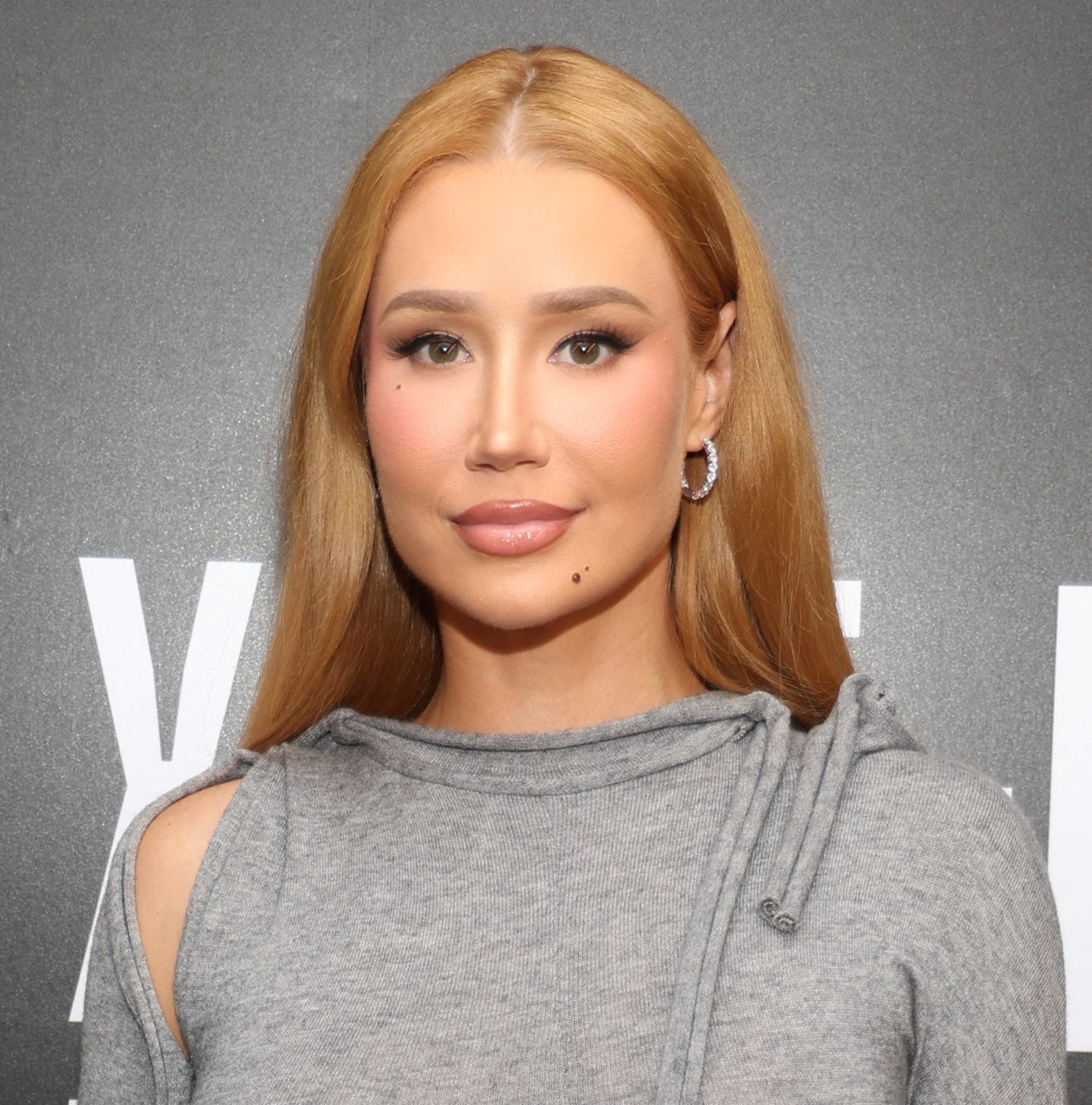
Thompson is not the only pro sports figure diving in. Lamar Odom, a former basketball star, launched a crypto coin in May that partially funds addiction recovery, and Mike Tyson, the former boxing legend, is a spokesperson for Naga, a Robinhood-like trading platform that includes cryptocurrency products. Outside sports, Thomspon stands shoulder to shoulder, metaphorically speaking, with figures such as Iggy Azalea, an Australian rapper, who, in addition to her work as the spokesperson for her $MOTHER crypto token, was featured alongside Thompson and Eric Trump as a keynote speaker at the 2025 Blockchain Futurist Conference last month. At the November conference, Azalea was named the creative director of Thrust, a new platform allowing celebrities to issue their own branded meme coins, a subset of cryptocurrencies that are billed as purely speculative and are not enforced as securities. Streaming personality N3on was the first to launch his meme coin on the Thrust platform. Actor Megan Fox will be next.
“A few years ago, most celebrity crypto stuff came off like quick stunts, and now, people expect an actual plan and some kind of real value for communities, not just a splashy moment,” Azalea told the Guardian via text. “Yes, I think celebrities are still curious about the space, but are a lot more careful. No one wants to be linked to something chaotic or sloppy.”
Through limits on how token issuers can sell their own shares, the project claims to mitigate the potential for token collapses and pump-and-dump schemes. The industry may not have entirely reformed, though: Azalea’s $MOTHER meme coin faced allegations of insider trading almost as soon as it launched in May. Azalea has denied dumping $2m worth of tokens and has disclaimed any control over, or knowledge of, the people who owned them.
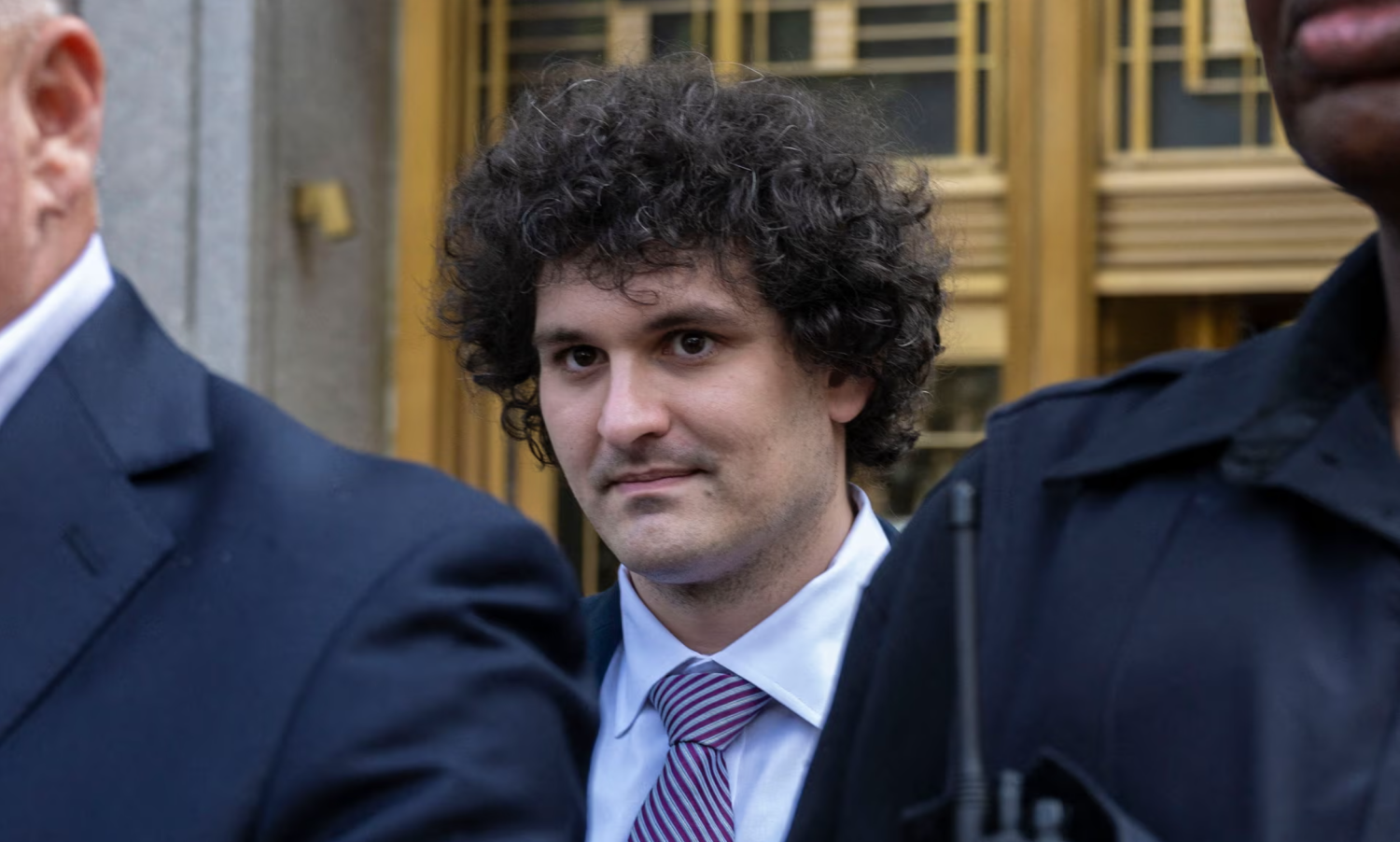
Celebrities were enamored with crypto schemes at the peak of the market in 2021, when Matt Damon appeared in a Super Bowl ad for a crypto company. But after the fraud-induced collapse of crypto exchange FTX, A-listers faced a wave of lawsuits and penalties, part of a wider regulatory crackdown on cryptocurrency under the former president. Celebrities listed as defendants in crypto-related court cases included Tom Brady, Shohei Ohtani, Steph Curry, Shaquille O’Neal, Naomi Osaka, Cristiano Ronaldo, Floyd Mayweather, and Kim Kardashian – sister to Khloé Kardashian, with whom Tristan Thompson has had a tumultuous relationship and two children. In 2022, Kim Kardashian settled with the SEC for $1.26m over charges in connection with illegally promoting a crypto security, EthereumMax.
The rich and famous backed off promoting digital currency in the ensuing years. The Kardashian case “tamped down on all celebrity involvement” in crypto, according to Dr William Mullins, a professor of finance at UC San Diego studying the effects of celebrity influence on individuals’ crypto investments. Celebrities in the crypto realm can reach hundreds of millions of followers cheaply via social media, and they can easily establish a narrative since most fiduciary advisors steer clear of the sector, he said. Directing follower attention can be incredibly lucrative, since crypto investments are largely a “coordination game” driven by demand, rather than underlying fundamentals, Mullins added, making crypto “extraordinarily vulnerable to celebrity influence”.
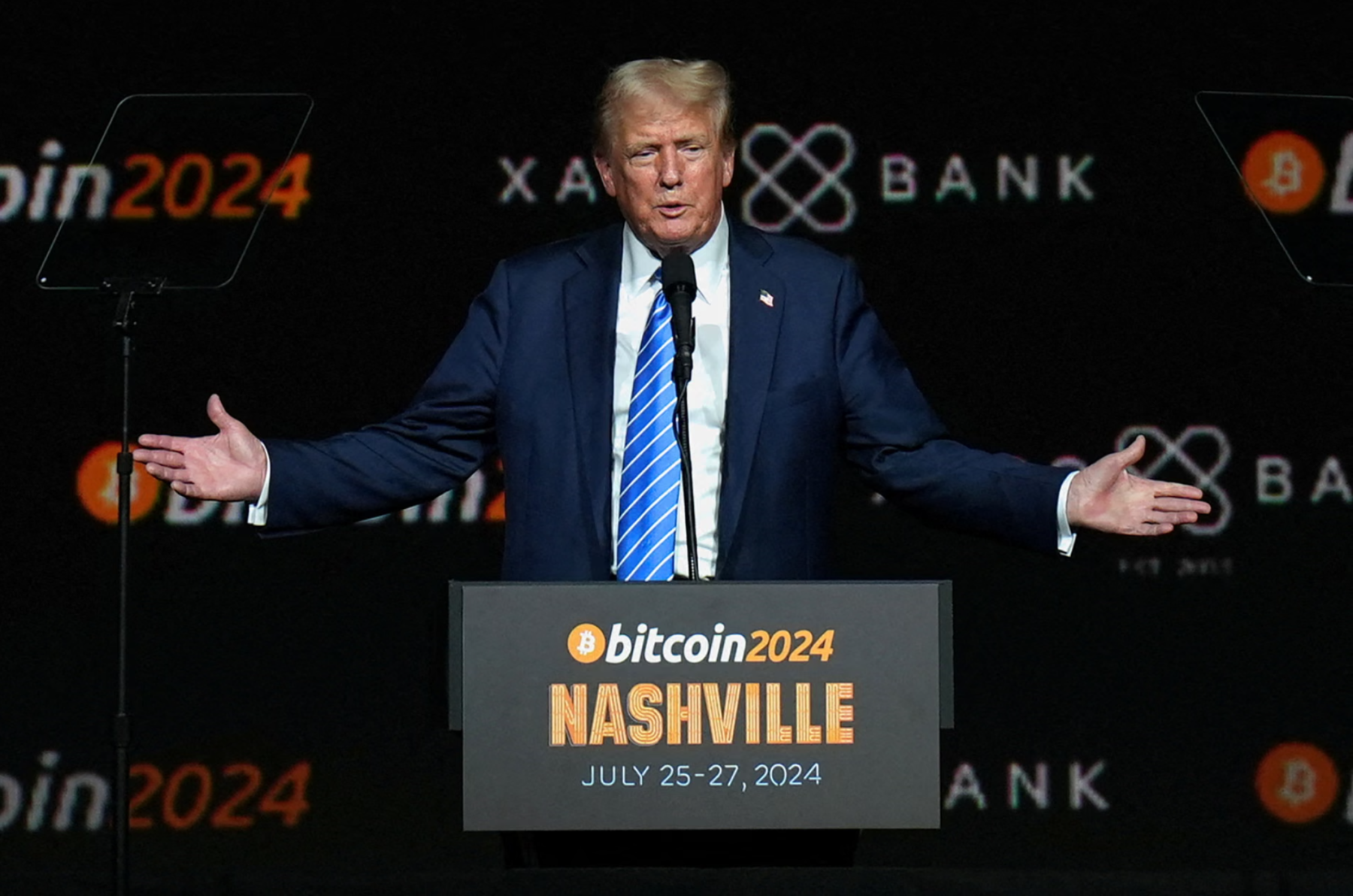
“A lot of people are more comfortable when the President of the United States launches a meme coin,” said Jake Antifaev, the co-founder and CEO of Thrust.
$Trump demonstrated meme coins’ lucrative potential, though its windfall may have come at the expense of other celebrities’ crypto ambitions. In May, Trump personally hosted a dinner for the 220 largest holders of $Trump, and held a private “reception” for the largest 25 buyers. These individuals collectively spent around $148m purchasing $Trump tokens, the Guardian previously reported. According to Andrew Duca, the founder of crypto-focused tax platform Awaken, the $Trump token “sucked up so much liquidity” that it caused other meme coins’ price to fall, which may have dissuaded other celebrities from launching their own tokens.
Duca said celebrity activity in crypto in 2025 is markedly different from what we saw in 2021. “Last cycle, you were getting more A-list celebs … and this cycle, you basically only saw the griftier celebs actually participate,” he said. These celebrities’ endorsements in 2025 primarily center around meme coins, rather than more traditional cryptocurrencies or crypto exchanges, Duca added.
According to Paul Afshar, chief marketing officer at Paybis, a crypto exchange, celebrities are opting for meme coin launches because “the economics are not the same” compared with the crypto-endorsement craze of 2021: major crypto companies once offered eight-figure endorsement deals, but those big-budget campaigns have dried up, as they failed to retain users and were eventually seen as too legally risky.
“So, instead of coordinated campaigns backed by crypto companies, we’ve got celebrities trying to monetize their own audiences directly through token launches,” Afshar told the Guardian via email. “It’s lower budget, higher risk, and reaches far fewer people than the 2021 celeb craze ever did.”
During his first tenure in office, Trump was a vocal crypto skeptic, calling Bitcoin “a scam against the dollar”. After entering office a second time, though, his administration rescinded a range of regulatory bulletins and policies perceived as restricting the growth of the crypto industry. His U-turn has also come with a windfall in other crypto-related deals and tie-ups for Trump family businesses – not just the $Trump meme coin, or the $Melania meme coin tied to the first lady. Estimates suggest that the September launch of another Trump-affiliated crypto token, $WLFI, may have buoyed the Trumps’ net worth by as much as $5bn, and may have become the Trump family’s most valuable asset – edging out their real estate portfolio. The Genius Act, the first major federal law to explicitly legalize blockchain-based products in the US, which Trump signed into law in July, did not bar the relatives of elected officials from engaging in crypto-related business. Karoline Leavitt, the White House spokesperson, has denied that the president ever engaged in a conflict of interest.
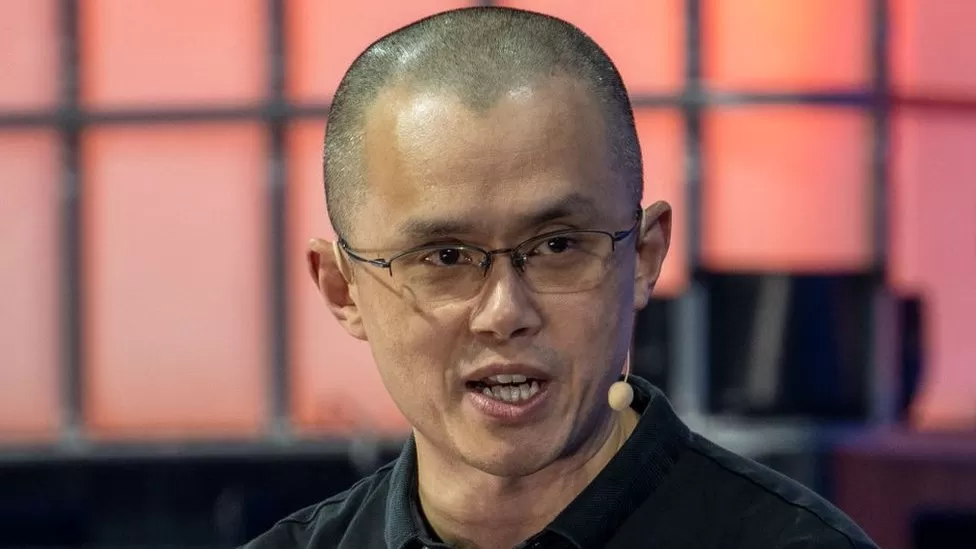
In an interview with the Guardian, Thompson said he thinks many figures in the crypto industry have been unfairly punished in the past, and he welcomes Trump’s enthusiasm for the industry, including his pardon in October of Changpeng Zhao, the former CEO of crypto platform Binance, who had pleaded guilty to violating anti-money-laundering laws for failing to report suspicious transactions with organizations such as al-Qaida.
Thompson is familiar with how quickly fortunes can change in the cryptocurrency industry. In February, he debuted Tracy AI, an automated sportscasting platform, and served as its chief content officer and lead adviser. The startup already appears defunct: its website no longer functions, and the company has published instructions on how to transfer $TRACY, the platform’s crypto token, into other major crypto denominations.