Hardline mid-ranking cleric with strong ties to IRGC has long been on Washington's radar
Iran on Monday named Mojtaba Khamenei to succeed his father as supreme leader, a little over a week after joint U.S-Israeli strikes killed Ayatollah Ali Khamenei at the outset of the ongoing war.
Iran on Monday named Mojtaba Khamenei to succeed his father, Ali Khamenei, as supreme leader, signalling that hardliners remain firmly in charge in Tehran more than a week into its conflict with the United States and Israel.
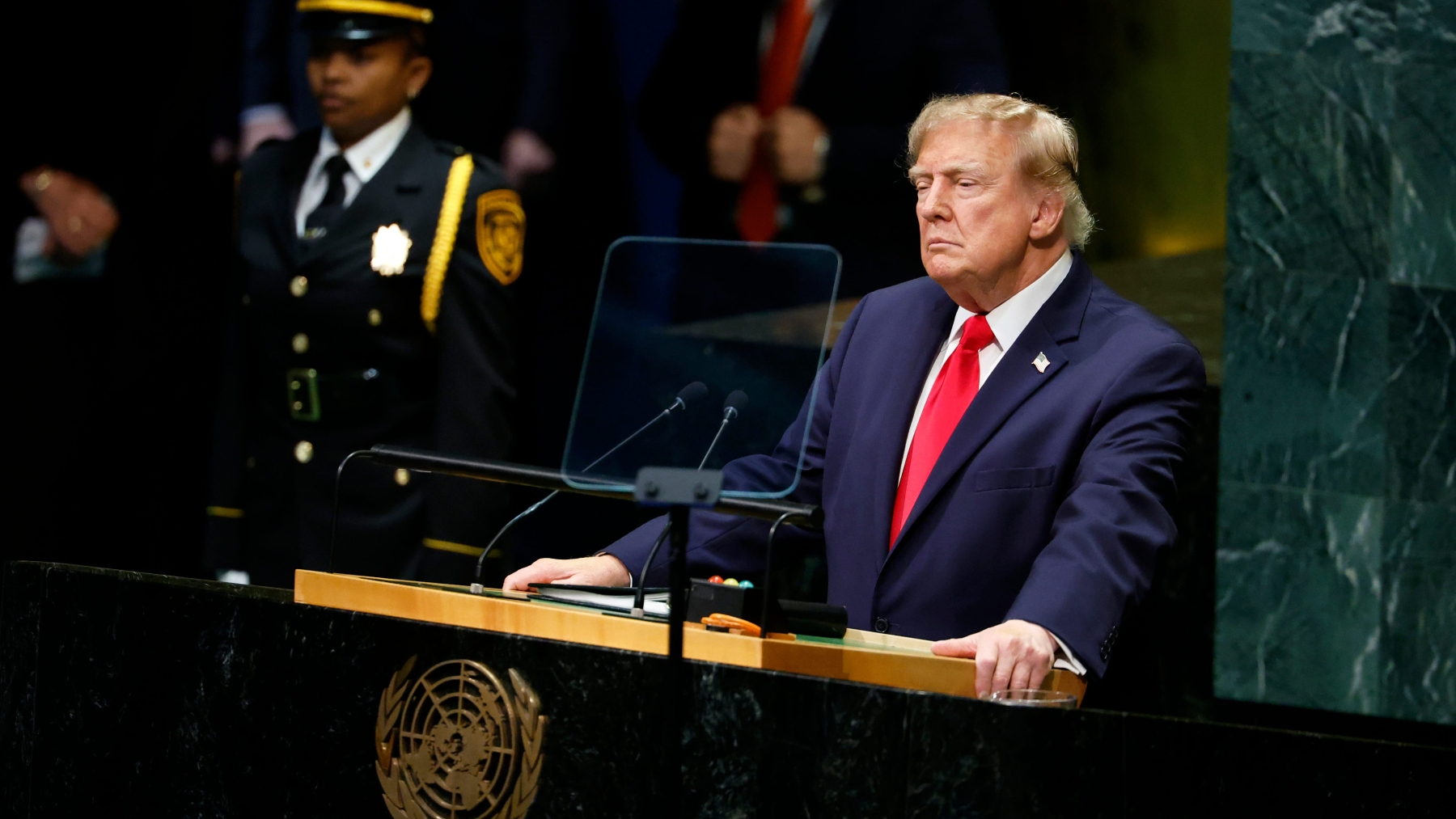
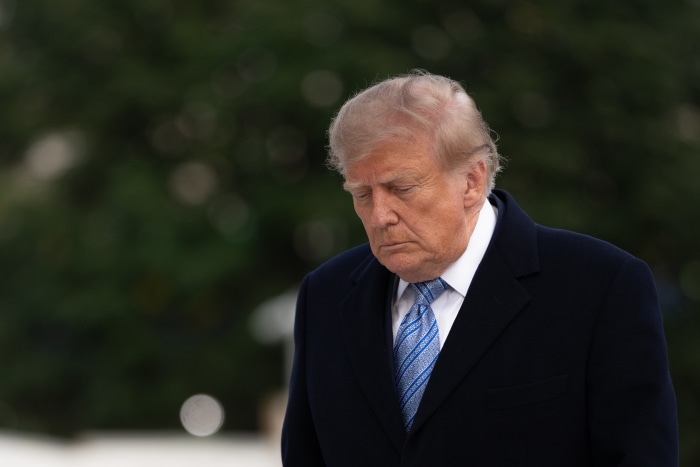
Mojtaba's father, Supreme Leader Ayatollah Ali Khamenei, was killed in one of the first strikes launched against Iran more than a week ago. His ascension will not likely go down well with U.S. President Donald Trump, who has previously called him "unacceptable" for the role.
Here's what we know about Mojtaba Khamenei.
No formal government role
Khamenei was born in 1969 in the city of Mashhad, Iran, and grew up as his father was helping lead the opposition to the Shah. As a young man, he served in the Iran-Iraq war.
Khamenei studied under religious conservatives in the seminaries of Qom, Iran's centre of Shia theological learning, and has the clerical rank of hojjatoleslam.
He has never held a formal position in the Islamic republic's government, despite being widely seen as the gatekeeper to his father. He has appeared at loyalist rallies, but has rarely spoken in public.
His role has long been a source of controversy in Iran, with critics rejecting any hint of dynastic politics in a country that overthrew a U.S.-backed monarch in 1979.
Critics also say Khamenei lacks the clerical credentials to be supreme leader — hojjatoleslam is a notch below the rank of ayatollah, the position held by his father and Ruhollah Khomeini, who founded the Islamic republic.
Khamenei was nonetheless selected Sunday in a vote by the Assembly of Experts, a body of 88 clerics tasked with choosing the supreme leader.
Under Iran's complex, theocratic system, the supreme leader is the ultimate authority, including over foreign policy and Iran’s nuclear program, as well as guiding the elected president and parliament.
Ties to IRGC, supreme leader's office
Mojtaba Khamenei's close ties to senior clerics and the Islamic Revolutionary Guard Corps (IRGC), which dominates Iran's security forces and its economy, give him leverage across the state's political and coercive security institutions.
Kasra Aarabi, head of researching the IRGC at United Against Nuclear Iran, a U.S.-based policy organization, said Khamenei has a "strong constituency and support" within the IRGC and younger radical supporters of the regime.
Aarabi said Khamenei has amassed much influence acting as a gatekeeper to his father, describing him as a "mini supreme leader."
Hardliner
Khamenei has opposed reformers seeking to engage with the West, which has long sought to curb Iran's nuclear program.
Alan Eyre, former U.S. diplomat and Iran specialist, said Khamenei is "more hardline than his father," while Alex Vatanka, a senior fellow at the Middle East Institute, said he will follow the "same playbook as his father."
"It's a big humiliation for the United States to carry out an operation of this scale, risk so much, and end up killing an 86-year-old man, only to have him replaced by his hardline son," Vatanka said.

Khamenei was widely believed to have been behind the sudden rise of hardliner Mahmoud Ahmadinejad, who was elected president in 2005.
Khamenei's wife, who was killed in Saturday's airstrikes, was the daughter of a prominent hardliner, the former parliament Speaker Gholamali Haddad Adel.
"He's going to have a lot of revenge to exact," Eyre said.
Sanctioned by Washington
The U.S. Treasury Department imposed sanctions on Khamenei in 2019, saying he represented the supreme leader in "an official capacity despite never being elected or appointed to a government position" aside from working in his father's office.
Its website said Ali Khamenei had delegated some of his responsibilities to Mojtaba, whom it said had worked closely with the commander of the IRGC's Quds Force and the Basij, a religious militia affiliated with the Revolutionary Guard, "to advance his father's destabilizing regional ambitions and oppressive domestic objectives."
"Khamenei's son is unacceptable to me," Trump has said, referring to Mojtaba Khamenei prior to him being named leader. "We want someone that will bring harmony and peace to Iran."
Trump has also previously said that the U.S. wanted a say in Iran's leadership after Ali Khamenei's death.
Disliked by protesters
Khamenei was a particular target for criticism by protesters during unrest over the death of Mahsa Amini in police custody in 2022, after the young woman was arrested for allegedly breaching the Islamic republic's strict dress codes.
He is seen as having leverage over Iran's security apparatus, which has repressed several waves of protests in recent years.