
An A-list photographer to the stars has slammed Nicki Minaj and exposed a horror experience he had with the rapper on a shoot.
Caitlyn Agnello - The U.S. Sun
Nicki Minaj has been slammed by a prominent celebrity photographer for her alleged bad behaviour in the past on a photo-shoot.
The backlash comes amid criticism from longtime fans of Minaj for appearing at an event with Donald Trump.
Photographer Erik Magdian Heck posted a screenshot on Instagram of a note he wrote about Nicki, 43.
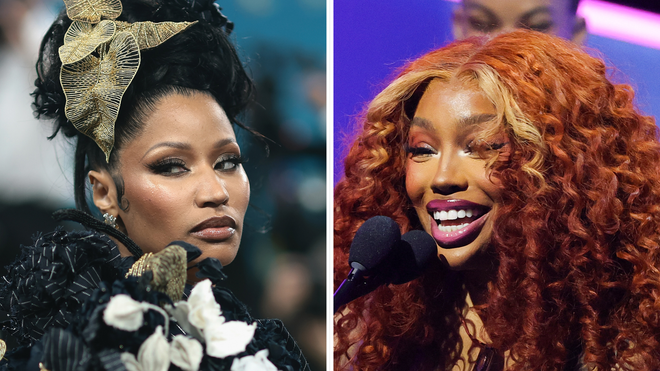
In it, he recalled shooting the Super Bass singer for the cover of The New York Times magazine, which he included in the post.
“Eleven years ago, I photographed Nicki Minaj for the cover of The New York Times Magazine, just before my first son, Felix, was born,” he began.
“I left New York to fly to Los Angeles even while knowing that it was within the realm [of] possibility that my wife could go into labour. In hindsight, that seems irresponsible, but we can get to that later.

He continued: “I had been warned the week before that Nicki showed up 8 hours late to a Terry Richardson shoot. Although I had sketched out my cover specifically, we had no idea if she’d agree to the hair and makeup.
“I had also been warned that she deleted hard drives when she didn’t like images. So we had everything backed up thrice. Meaning every shot I took immediately went to three different hard-drives – in the event she randomly came to my digital-tech and deleted shots from our computer.
“After 4 hours of hair and makeup, she surprisingly had become the character I illustrated in my drawings.”Things allegedly took a turn shortly thereafter, according to Erik’s story.
“But then after 8 frames, meaning specifically 8 frames of clicking the shutter – she walked off set and said, ‘You got it.’ Which was fine, because I normally do in the first 3 shots. Not to be a diva, but I’ll pat myself on the back for that,” he said.
“Her contract with the New York Times was for 4 images to accompany her interview.
“After 3 pictures, and her posting them on IG in real time from her phone, she wanted to leave.”
Erik went on, “It was a s**t-show, to be kind.

“I was appalled at the fact that the magazine wanted to continue with her as a cover subject – not just because of the shoot, but because of her interview, where she also walked off set during her sit-down conversation.
“At the time, I also remember thinking why is Nicki Minaj worthy of being a NYT magazine cover subject?”
He added, “She’s not. It left me feeling very uncomfortable in many ways.
“You don’t need to be a music nerd to realise that even at her height, she was never a Lil Kim or Foxy Brown. She was simply an agitator.”
Erik continued sharing about both his alleged experience with Nicki on that shoot, and her recent public behaviour.
“Here’s a fun anecdote from my memory of the photo-shoot –
“Her bodyguards all were strapped with Glock 9’s on their waists. And while having a cigarette break, I asked one of her bodyguards why they tolerated how awfully she spoke to them, like peasants.

“And they just smiled, as if speaking non-verbally to me.”
His message concluded: “Now, reading her pro-Trump admiration, I can only feel even more dignified in knowing at the time that she was a total piece of s**t. Not just as a human, but also with her music.
“I constructed this portrait as an illustration of a dictator. Perhaps that subtly [SIC] went unnoticed at the time. But, it was purposeful.
“It was a protest poster, as a cover. A protest against bad music, bad people, and magazines putting bad music and bad people on their covers.
“People thought it was beautiful. And that’s when beauty wins.”
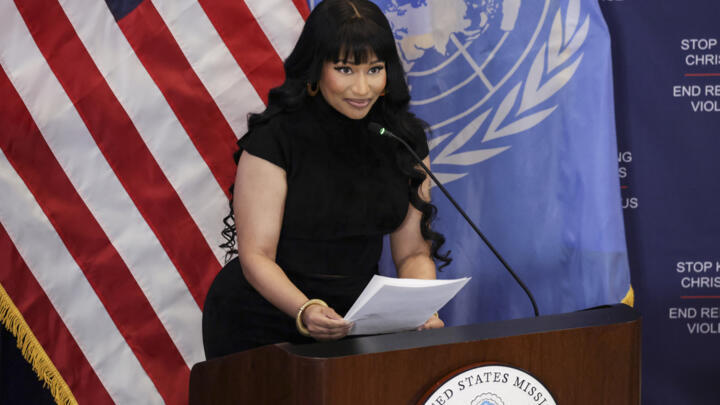
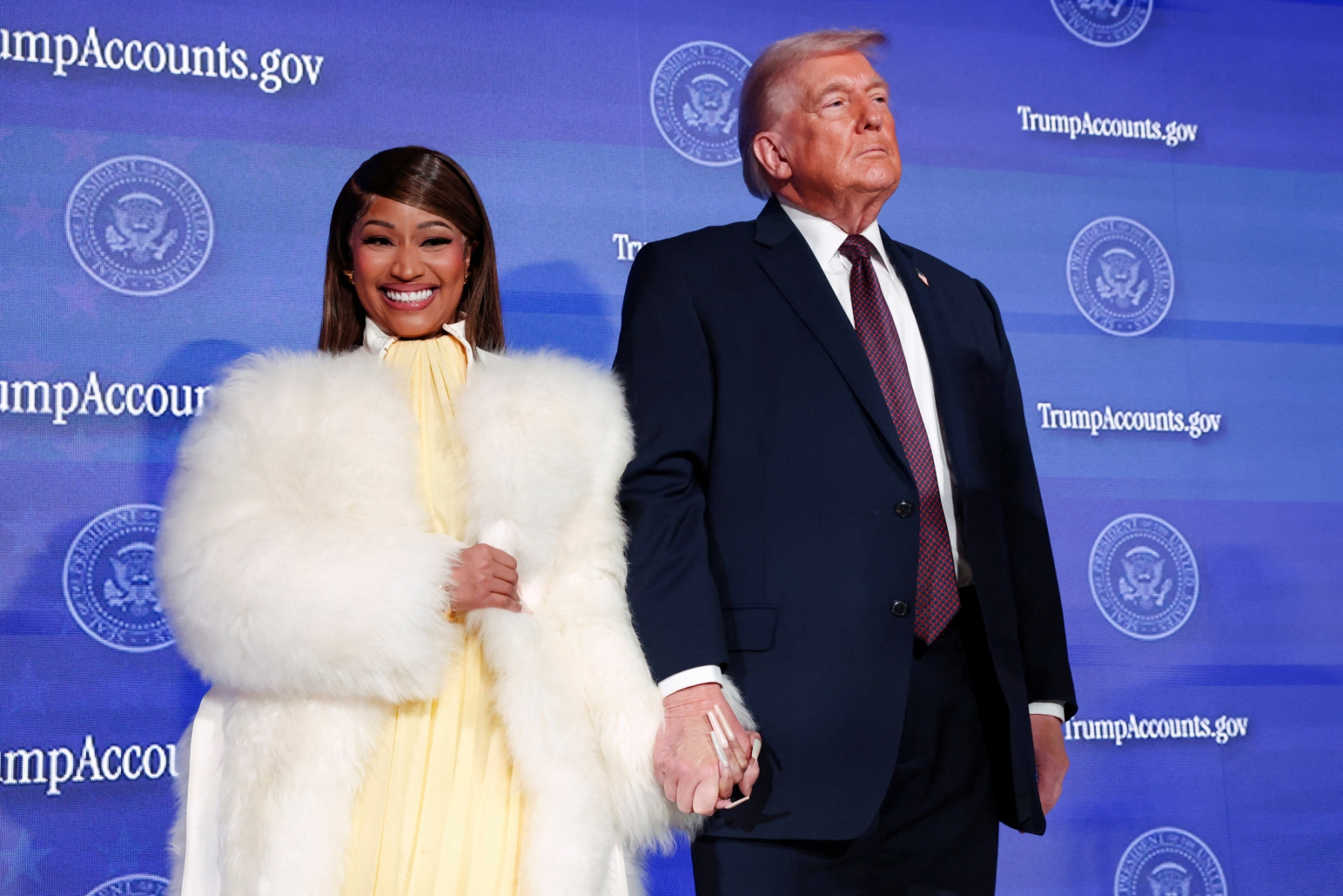
The celeb photographer’s post comes just one day after Nicki appeared at the US Treasury Department’s Trump Accounts Summit with President Trump.
During the event, the rapper gushed: “I am probably the president’s number one fan, and that’s not going to change.
“And the hate or what people have to say, it does not affect me at all. It actually motivates me to support him more.”
This story originally appeared on The U.S, Sun and is republished here with permission.