
A bold pivot to country music led to the most successful concert tour in the genre’s history and helped Cowboy Carter lasso a 10-figure fortune—becoming just the fifth musician to do so.
By Matt Craig, Forbes Staff. Matt Craig is a L.A.-based Forbes reporter covering entertainment.
For almost any other musical artist, The Renaissance World Tour would be a career peak. The three-hour, career-spanning journey through Beyoncé’s discography was one of the concert sensations of 2023, grossing nearly $600 million and cementing her place, alongside Taylor Swift, as one of the biggest pop culture icons in the world.
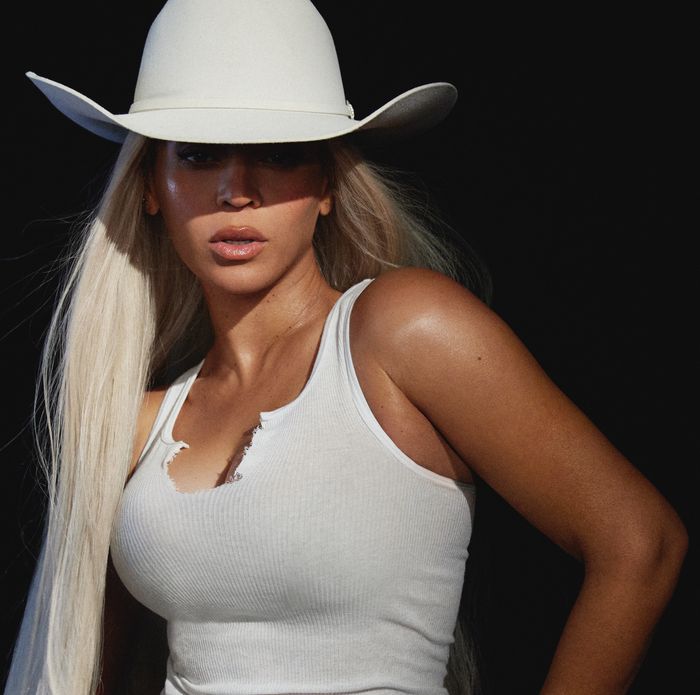
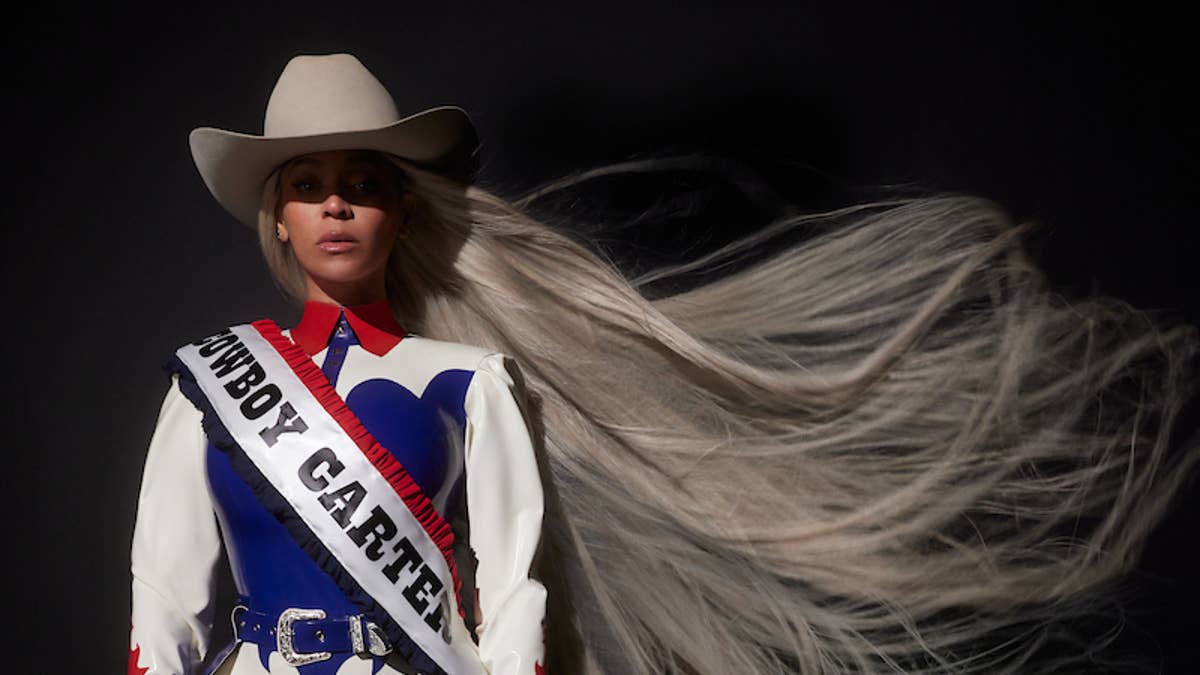
But the 44-year-old pop supernova reinvented herself again in 2024, releasing a country album, Cowboy Carter, that would generate new commercial opportunities, a Christmas NFL halftime performance and the world’s highest-grossing concert tour of 2025, ultimately earning Queen Bey another title of distinction—billionaire.
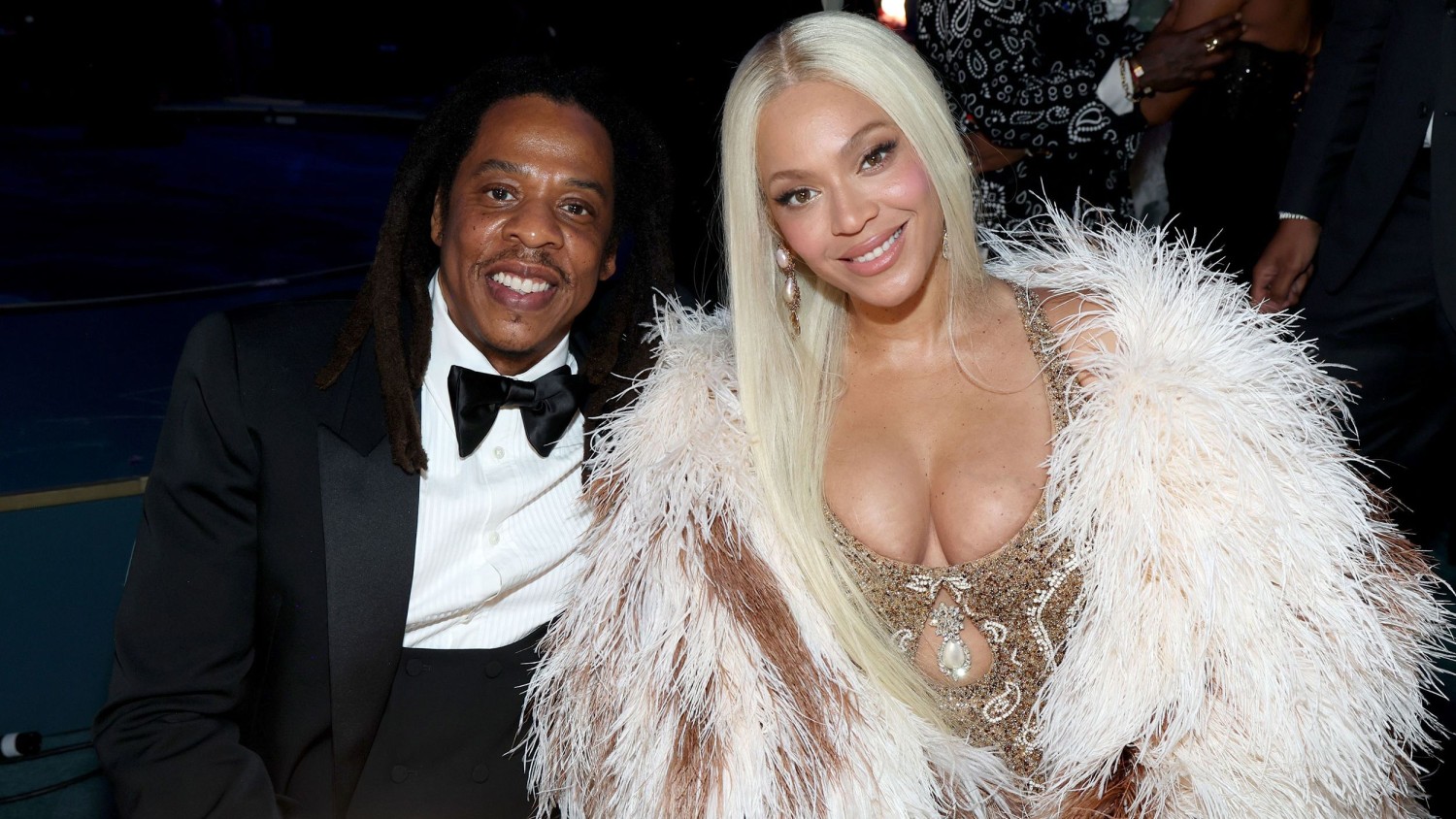
She now joins an elite group of celebrities who have recently crossed the three-comma threshold—of the 22 billionaire entertainers Forbes has identified, nearly half were added in the last three years—and she becomes just the fifth musician, joining her husband, Jay-Z, as well as Swift, Bruce Springsteen and Rihanna.
Beyoncé began building her business empire in earnest in 2010, when she founded Parkwood Entertainment and brought control of nearly every aspect of her career in-house. The company manages her career and produces all of her music, documentaries and concerts, fronting most of the production costs in order to capture more of the back-end economics.
“When I decided to manage myself, it was important that I didn’t go to some big management company,” she said during a 2013 interview promoting her self-titled album, Beyoncé. “I felt like I wanted to follow the footsteps of Madonna and be a powerhouse and have my own empire and show other women when you get to this point in your career you don’t have to go sign with someone else and share your money and your success—you do it yourself.”
While Queen Bey has expanded her business empire into a handful of celebrity-friendly industries—including a hair care brand (Cécred), a whiskey label (SirDavis), and a clothing line (Ivy Park, discontinued in 2024)—most of her personal wealth comes from her music, by controlling the rights to her enormously valuable catalog and earning a massive income from her global tours.
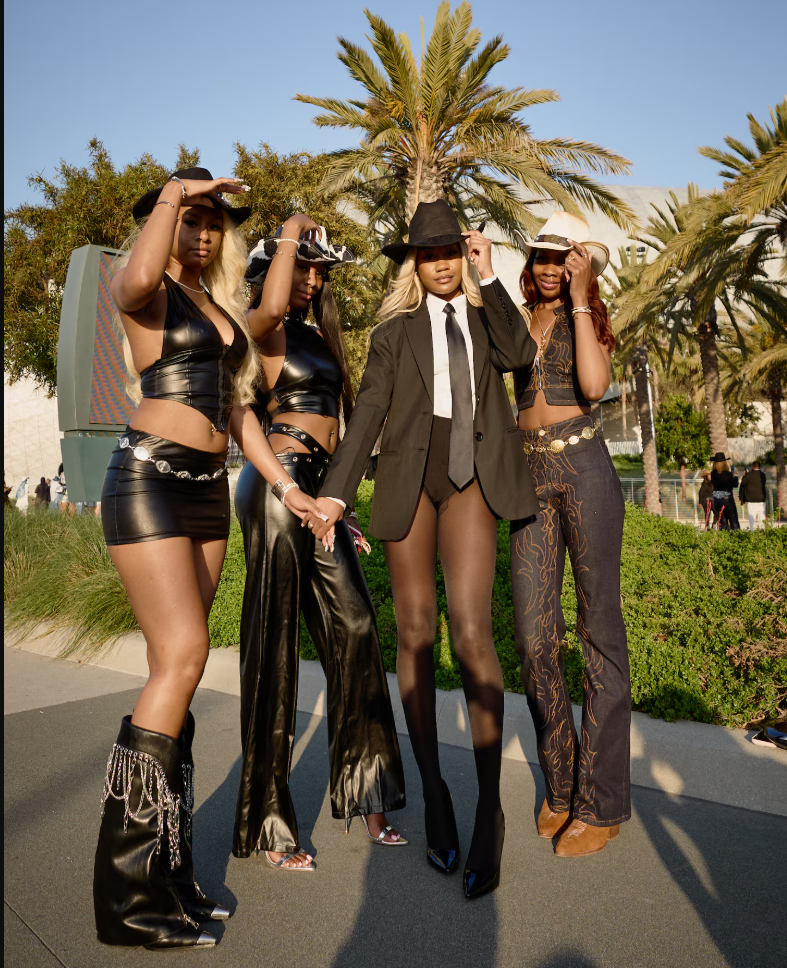
Across any category of the entertainment industry, there is practically no enterprise more lucrative than a musician who can sell out stadiums. And in the post-pandemic era, artists have taken a more-is-more approach to live performances, supersizing the spectacle and often adding a documentary film at the end of the tour. A ticket to the Cowboy Carter Tour this summer not only guaranteed fans a chance to see nearly three hours of Beyoncé performing, but also featured a flying car, robotic arms (pouring SirDavis, of course), a golden mechanical bull, and guest appearances that included her husband, her children, and her former Destiny’s Child bandmates.
Mounting such a worldwide production, of course, is a huge (and expensive) undertaking. For the Cowboy Carter Tour, that meant more than 350 crew members, 100 semi-trucks worth of equipment, and eight 747 cargo planes to move it from city to city. In traditional touring, a show of that scale wouldn’t be economically viable, but Beyoncé is one of the pioneers of a new mini-residency model, setting up in just nine stadiums across America and Europe for multiple days to play a total of 32 shows. And as with Taylor Swift’s Eras Tour, fans have proven eager to travel long distances and pay exorbitant prices to witness the extravaganza.
In total, the Cowboy Carter Tour grossed more than $400 million in ticket sales, per Pollstar, and another $50 million in merchandise sold at the shows, according to Forbes estimates. And because Parkwood produced it all, Beyoncé was able to secure higher profit margins. Combining what she made touring with earnings from her music catalog and sponsorship deals this year, Forbes estimates she brought in $148 million in 2025 before taxes, making her the third-highest paid musician in the world.
This level of financial success has built slowly over the years, especially after she separated from Destiny’s Child in the early 2000s and stopped being managed by her father in 2010. She also found novel ways to event-ize her music, including the surprise album Beyoncé in 2013, an HBO-released “visual album” for Lemonade in 2016, and a headlining Coachella performance in 2018 for Homecoming that drew 458,000 live concurrent viewers on YouTube and would eventually spawn a Netflix documentary—for which she received an estimated $60 million from the streamer.
For Cowboy Carter, she did a special halftime show for Netflix’s first Christmas Day NFL game—collecting an estimated $50 million, including production costs—and leaned into her new Western aesthetic with a series of Levi’s commercials, pocketing an estimated $10 million.
Yet despite hits like “Texas Hold ‘Em,” the album-equivalent sales of Beyonce’s discography (a metric that takes into account streaming as well as digital and physical sales) for 2025 were less than half of other pop artists like Sabrina Carpenter, Bad Bunny or The Weeknd, according to data provider Luminate.
Still, in a landscape where touring accounts for more than three-quarters of an artist’s annual income—music industry insiders suggest in many cases that it could be as high as 90%—the top-earning artists are the ones who can fill the biggest venues, like Coldplay, Shakira and Ed Sheeran.
And that’s just what Beyoncé has done for the past decade. She was the first female artist to headline an all-stadium tour in 2016, and took the spectacle to another level with the Renaissance World Tour in 2023. Similar to Swift, she produced a concert film of the performance and distributed it directly through the AMC theater chain, pocketing nearly half of the movie’s $44 million global box office gross.
In the rare interviews Beyoncé has given in recent years—always through written questions—she has said that Renaissance and Cowboy Carter are the first two parts of a trilogy of albums from different genres. Fans are left to speculate on how she might reinvent herself next, and when she might perform again live, though she told GQ earlier this year that she only wants to tour from now on while her children aren’t in school, in the hopes that they can maintain some semblance of a normal childhood.
“I have made an extreme effort to stay true to my boundaries and protect myself and my family,” she explained. “No amount of money is worth my peace.