
Six months ahead of the US midterm elections, the political momentum has turned sharply against President Donald Trump.
By Piotr Smolar
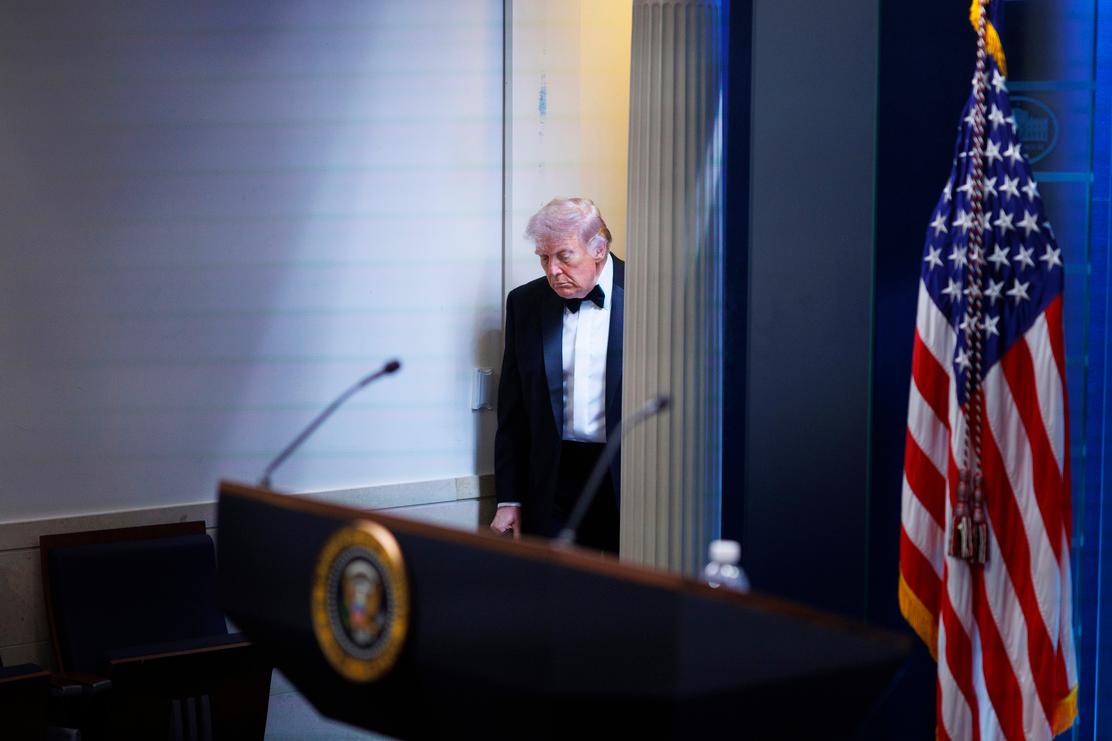
It came as a familiar diversion. The attempted attack during a press gala in Washington, DC, on April 25, triggered a two-step response at the White House: Firstly, Donald Trump issued a surface-level call for national reconciliation, swiftly followed by outrageous attacks on the opposition and the press. "Nobody in recent years has faced more bullets and more violence than President Trump," said White House spokesperson Karoline Leavitt, on April 27. "This political violence stems from a systemic demonization of him and his supporters. By commentators, yes, by elected members of the Democrat Party and even some in the media."
For Trump, others are always to blame. But the United States divider-in-chief has, above all, fallen victim to his own choices, his way of wielding power, and his imperial hubris. His obsession with building a lavish ballroom for the White House, for the cost of $400 million, has only grown stronger since the attack at the Hilton hotel. This has further entrenched his mounting disconnection from public opinion, as reflected by the way he has spoken about the war against Iran. On April 23, a journalist asked Trump: How long should the American people expect the conflict to continue? The real estate magnate shifted in his seat: "You're such a disgrace. So you know what I just said: Vietnam. How many years was Vietnam?"
You have 86.57% of this article left to read. The rest is for subscribers only.