
The authorities have made a wave of arrests to stop people posting footage of strikes, citing security risks. Experts also see a fear of damage to the countries’ image as safe havens.
Vivian Nereim, Reporting from Riyadh, Saudi Arabia
As Iranian missiles and drones exploded over the Persian Gulf city of Dubai this month, the government there shared a video on social media warning, “Threats do not always come from outside.”
“Some may live among us,” a disembodied male voice says in the video, which shows mysterious figures lurking around the city, the largest in the United Arab Emirates.
“Conspiring in the shadows — hiding behind screens,” the voice adds.
The message was a window into the fears and challenges facing governments around the Persian Gulf amid the war in Iran — and the ways it is straining their grip on the flow of information, which they have long maintained through tight media controls and political repression.
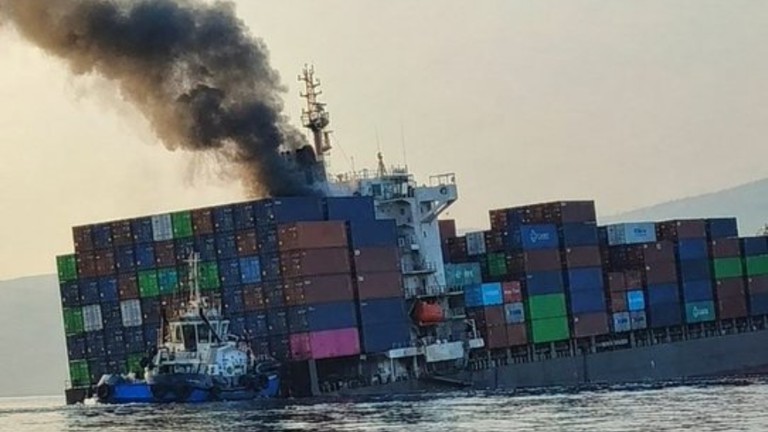
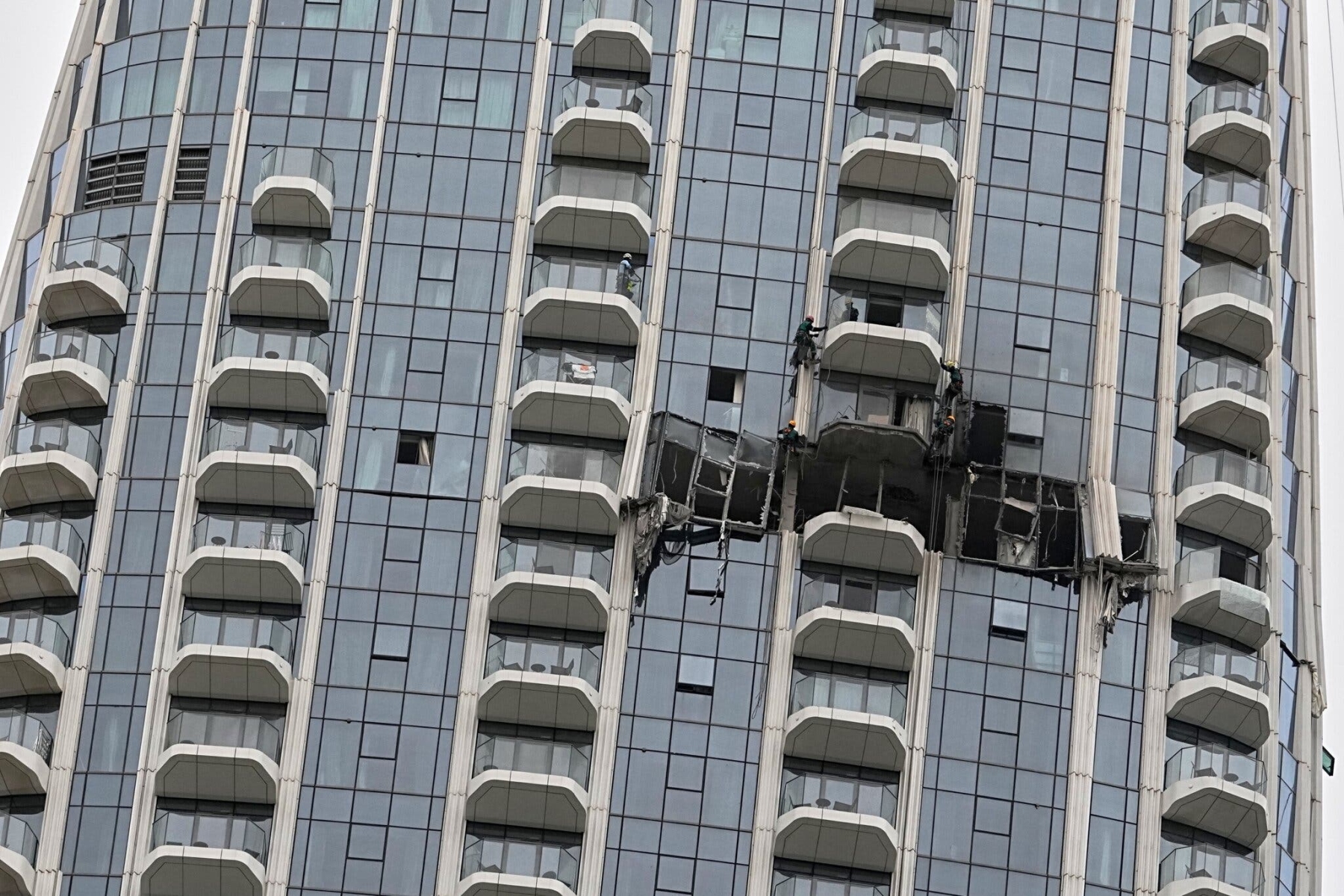
In the United Arab Emirates and Qatar, the authorities have arrested hundreds of people since the war began last month, accusing some of spreading rumors and others of merely sharing videos and imagery of Iranian attacks, according to statements published by their official news agencies. Some in the Emirates and in Bahrain have also been charged with “glorifying” the attacks, those countries’ governments said. In Kuwait, three men were accused of making a satirical video that officials said “harmed the country’s national security interests.”