Sam Altman Won in Court Against Elon Musk. But, Really, We All Lost
Source: The New Yorker
May 22, 2026
Published May 22, 2026, 10:34 AM ET
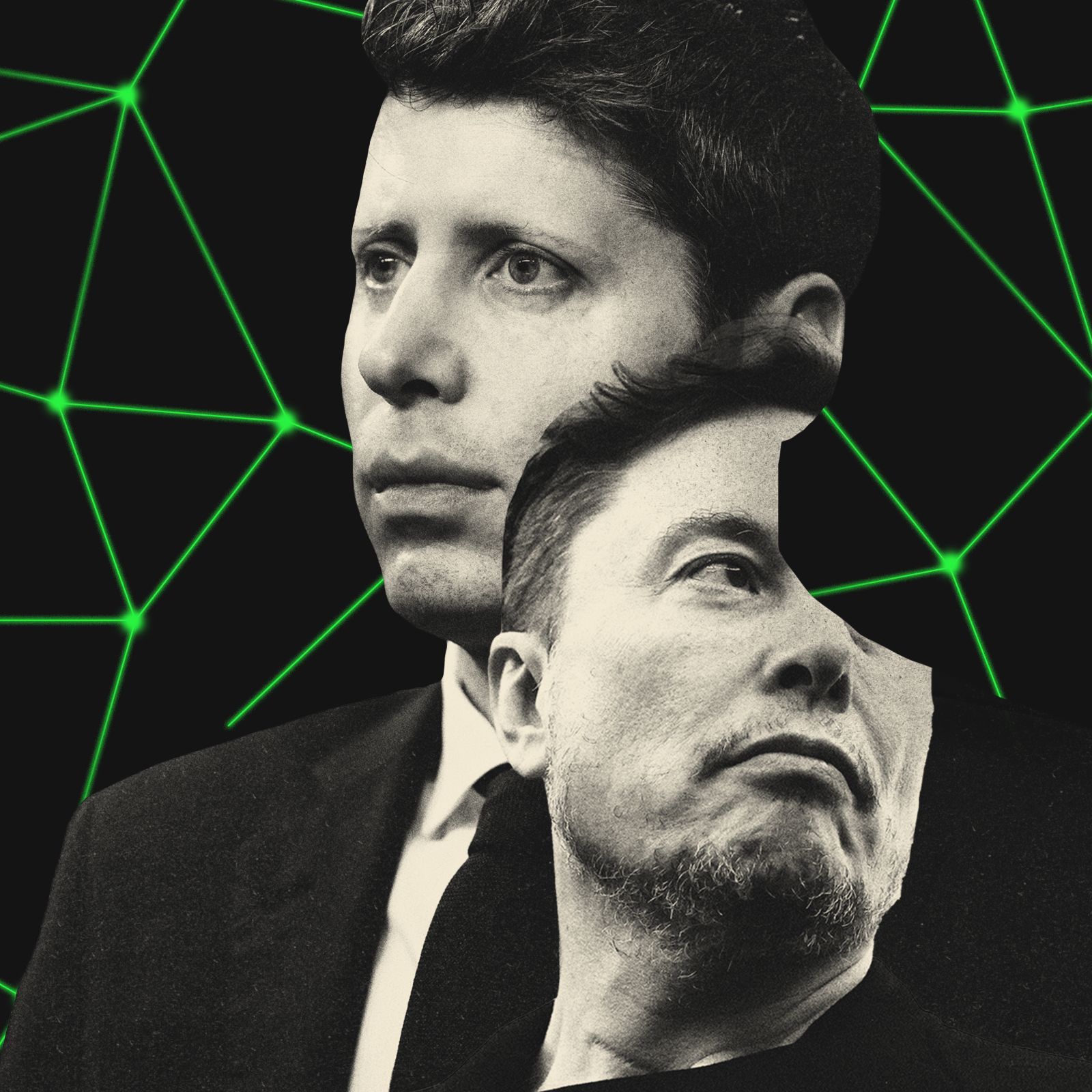
Illustration by Joan Wong; Source photographs from Getty
The cases of Elizabeth Holmes and Sam Bankman-Fried at least offered a pleasant sense of comeuppance. But in Musk v. Altman, to root against Tweedledum was effectively to root for Tweedledee.
famous logic puzzle takes place on a mythical island divided between the knights, who never lie, and the knaves, who always do. A foreign traveller encounters a fork in the road: one way guarantees safe passage, the other certain death. A member of each tribe is present, though it isn’t clear which is which, and the traveller is granted only one question. The solution is well known: ask either of them what the other would advise, and then to choose the opposite path. (An accurate account of a lie and an inaccurate account of the truth amount to the same wrong answer.) But this works only if someone is honest. What if nobody can be trusted? The Cretan philosopher Epimenides inspired an alternative scenario set on his own island, when he supposedly said that “all Cretans are liars.” Logicians call unstable statements like these “self-referential paradoxes,” or utterances that undermine their own claims. Epimenides would presumably have felt at home at trial of Musk v. Altman, which over the past few weeks turned an Oakland courtroom into an island of lying cretins.