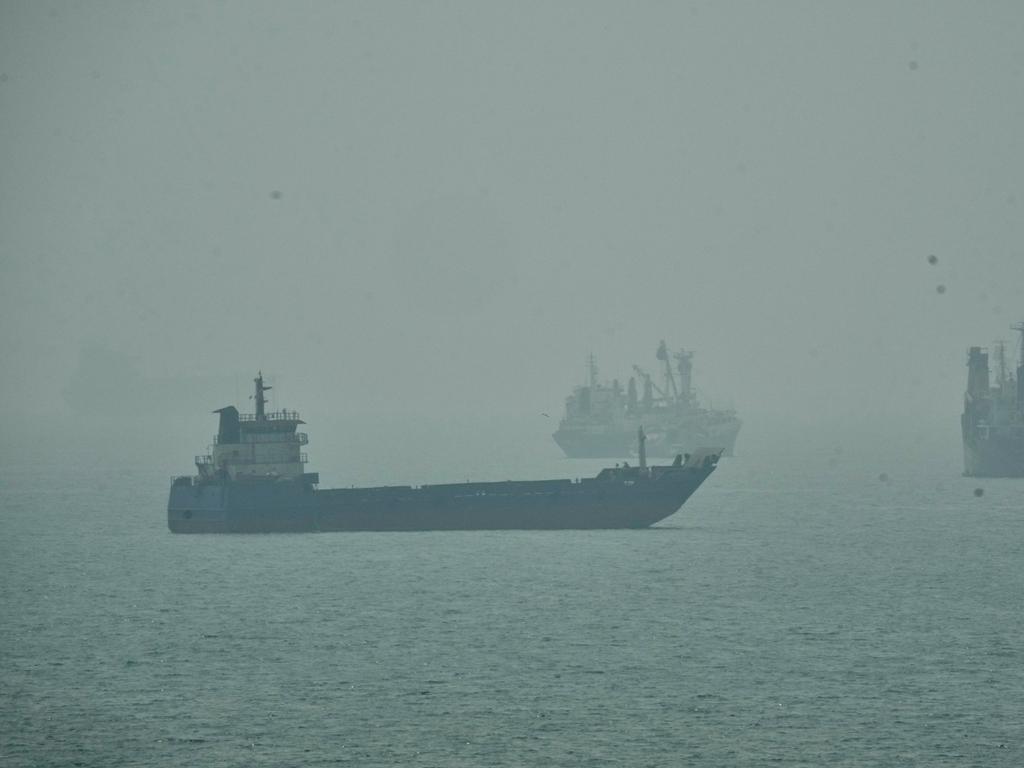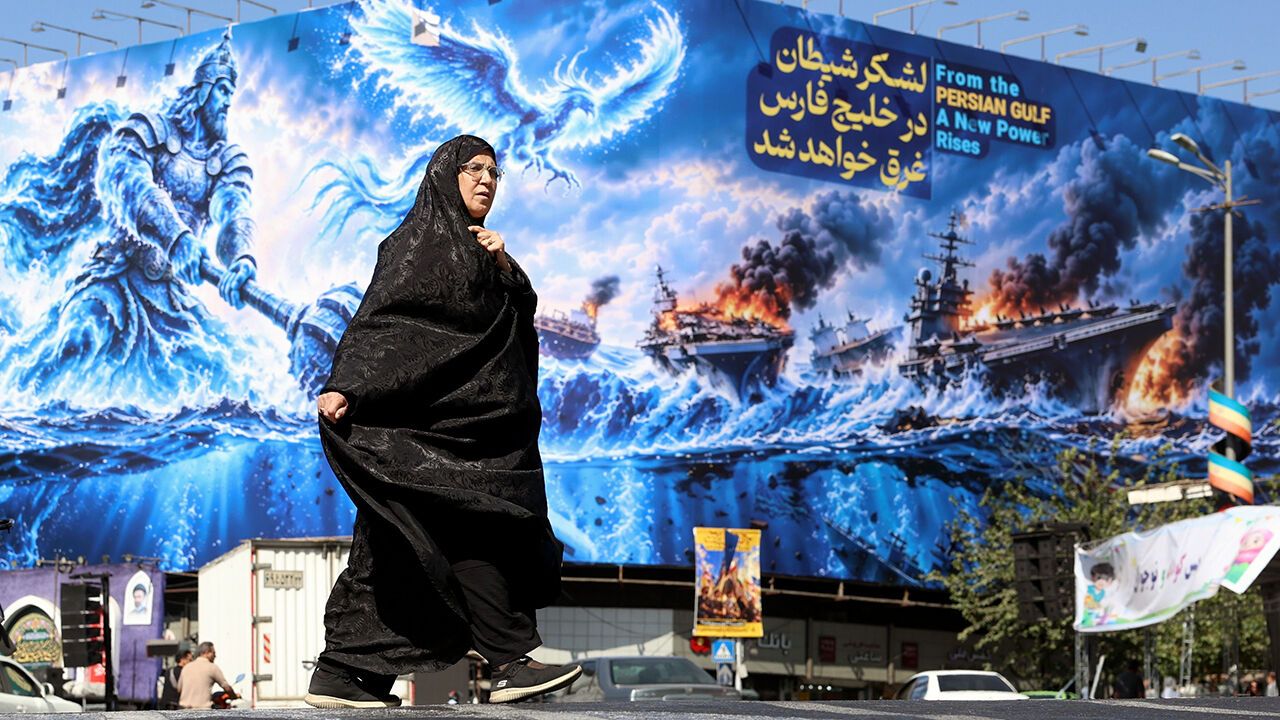

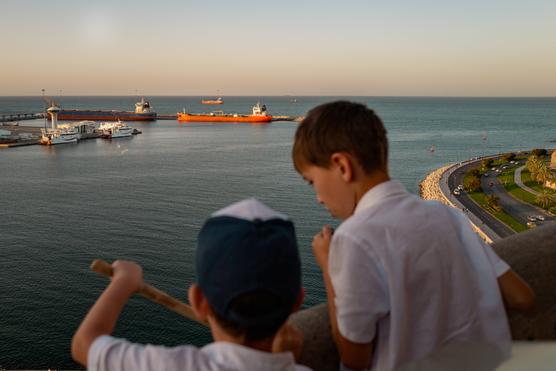
Despite Donald Trump's ultimatum, Tehran does not appear willing to reopen the maritime passage, which is of strategic importance for the global economy. The regime has made the strait a tool of national sovereignty and is even considering charging for passage once the conflict is over.
By Claire Gatinois and Louis Imbert
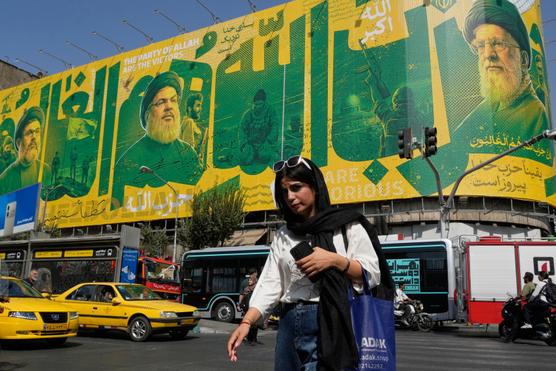
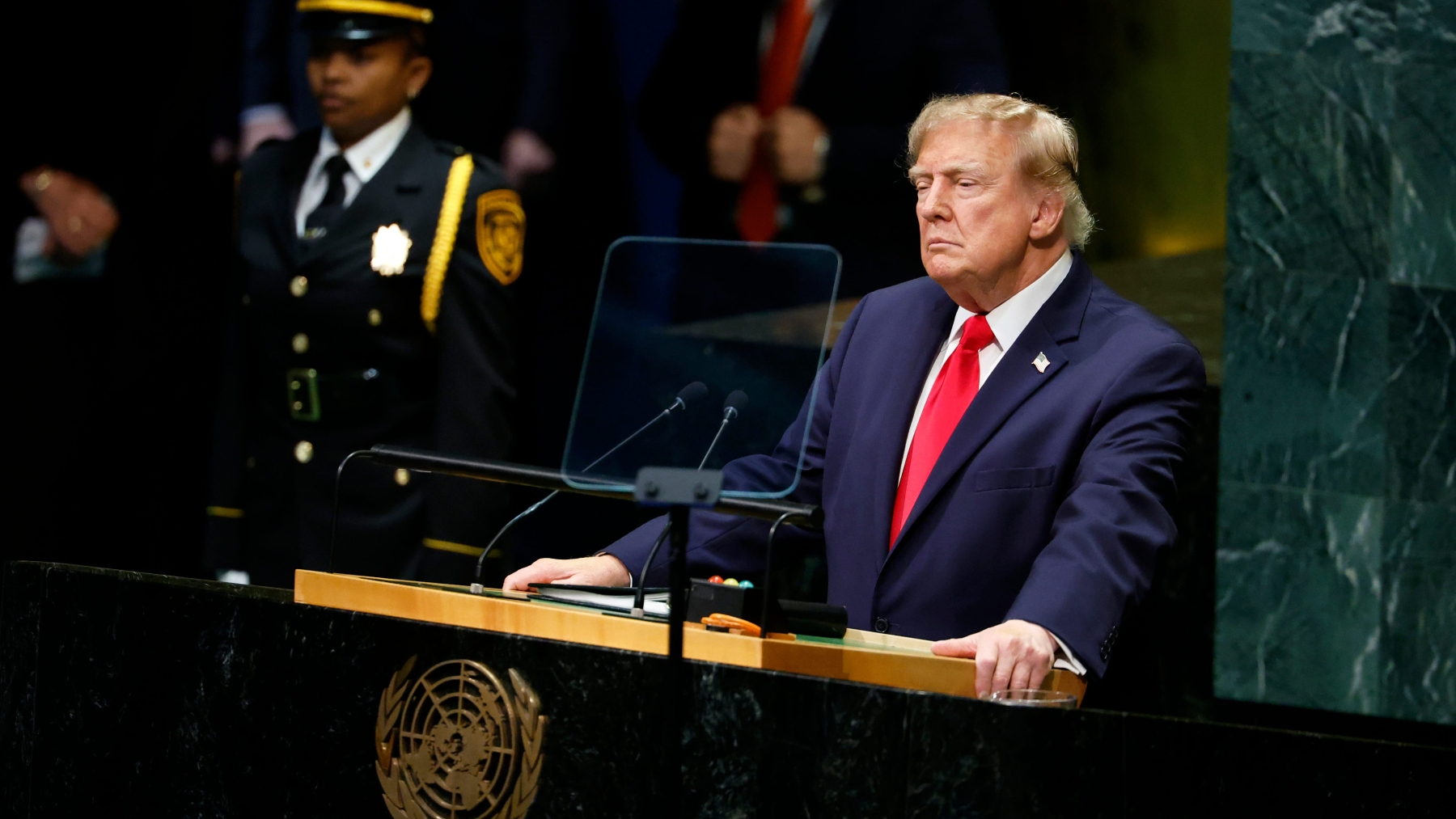
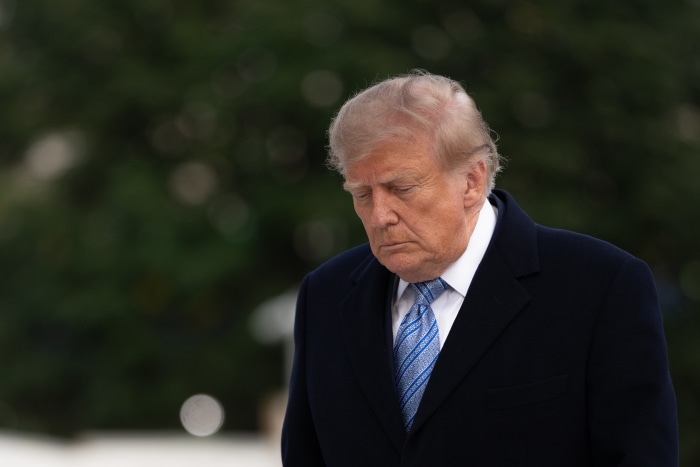
Donald Trump had promised to plunge the country into the flames of "hell." Yet, just hours before the deadline he had set for Iran on Tuesday, April 7, at 8 pm Washington time, the American president's threat of divine punishment left the dignitaries of the Islamic regime unmoved. The White House leader has laid on military pressure, insults and obscene remarks in recent days, demanding the reopening of the Strait of Hormuz, whose blockade has destabilized the global economy. His comments have elicited indifference at best, and disdain at worst, from Iran. Tehran has claimed, in the eyes of the world, to embody "resistance" to the US and its Israeli ally, who launched the offensive on February 28.
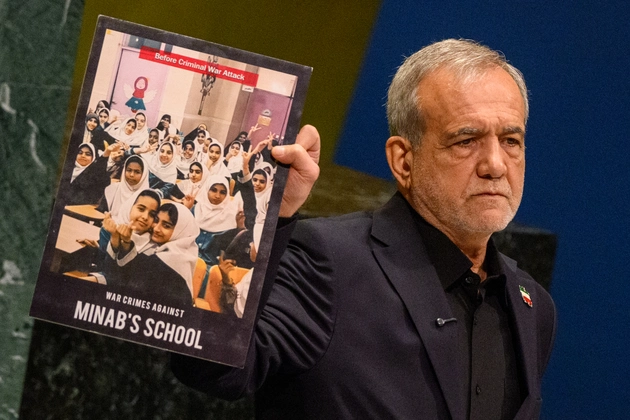
"We won't merely accept a ceasefire," Mojtaba Ferdousi Pour, the head of the Iranian diplomatic mission in Cairo, told the Associated Press on Monday. He said any peace agreement would come on the condition of guarantees that no attack would again target the regime, which had been described as being on its last legs only three months prior. Iran would continue the war "for as long as the political leaders deem it necessary," one of the Iranian army's spokespersons had declared a little earlier, dismissing Trump's remarks about "blowing up the whole country" as soon as Tuesday night.
You have 87.67% of this article left to read. The rest is for subscribers only.