
The court for a second time rejected a lower court ruling that immigrants must be able to object before being sent to countries to which they have no previous connection.
By
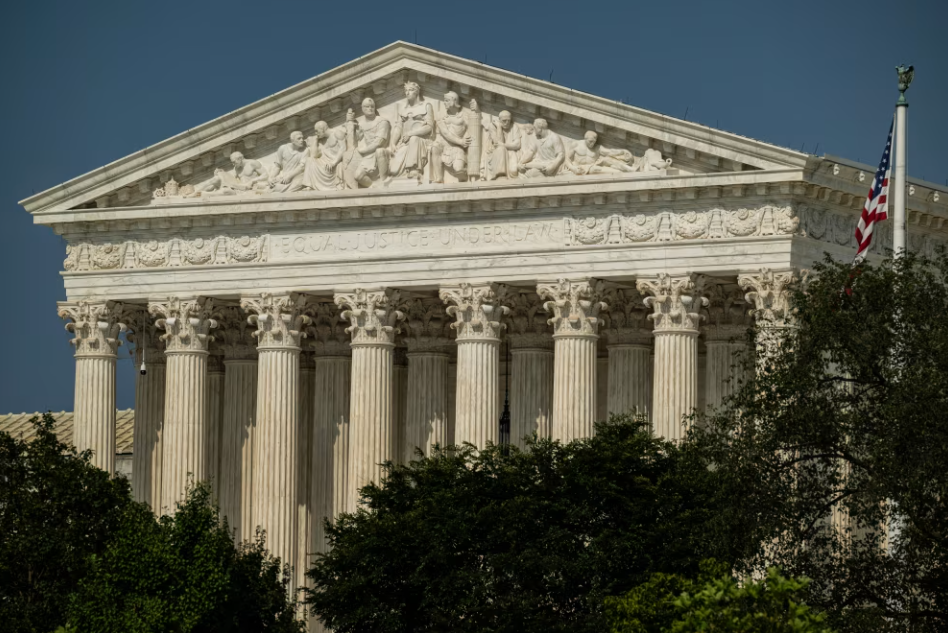
WASHINGTON — The Supreme Court on Tuesday removed obstacles to the Trump administration deporting certain immigrants to “third countries” to which they have no previous connection.
The justices, with the court’s three liberals dissenting, granted an emergency request filed by the government seeking to block an appeals court ruling that said the current process is unlawful because the affected people are not given a proper chance to raise concerns about safety risks in violation of federal immigration law.
In the brief unsigned order, the court also said it would hear oral arguments in December and issue a definitive ruling on the legal questions raised in the litigation.
The Supreme Court last year allowed the policy to move forward after it was blocked by lower courts at an earlier stage of the litigation. It also later clarified its decision, at the request of the Trump administration, making it clear it applied to eight men the government wanted to send to South Sudan.
Since Trump’s second term began in January 2025, thousands of people have been sent to third countries, which include South Sudan, Eswatini and Rwanda.

About 15,000 people were deported to third countries in 2025, according to the Migration Policy Institute, with Mexico receiving the majority.
The Supreme Court action “means that people facing removal to third countries are once again at immediate risk of being sent to places where they have no meaningful opportunity to seek protection,” said Trina Realmuto, a lawyer at the National Immigration Litigation Alliance representing plaintiffs. “That is an enormous consequence for people whose lives and safety are on the line.”
The Department of Homeland Security had no immediate comment.
Four unnamed immigrants challenged the policy, arguing that people should have a “meaningful opportunity” to claim that they could face torture or persecution if deported to one of the third countries.
Massachusetts-based U.S. District Judge Brian Murphy agreed (It was his earlier ruling that the Supreme Court blocked last year, which led to heavy criticism from within MAGA world.)
The Boston-based 1st U.S. Circuit Court of Appeals upheld Murphy’s most recent ruling and sided with the unnamed immigrants, citing a federal law that prevents deportations to a country where the person faces likely persecution.
Although the appeals court ruling was initially put on hold, on Sept. 23, it went into effect, prompting the Trump administration to rush to the Supreme Court.
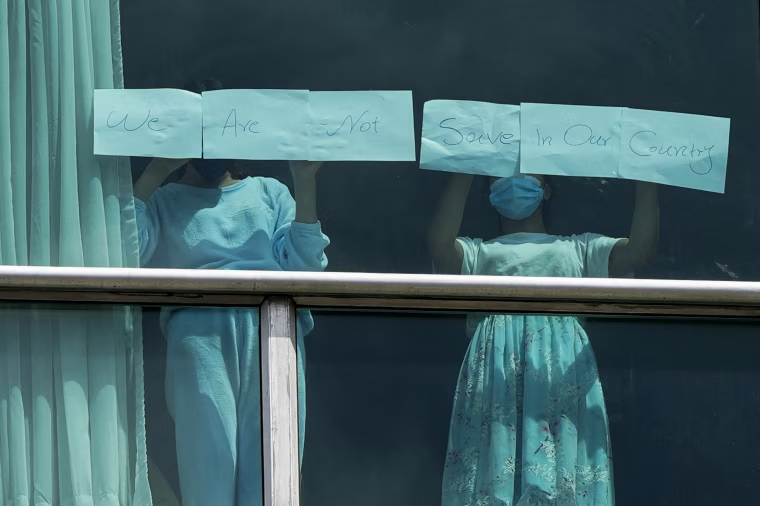
One scheduled flight that was to carry 70 people with criminal convictions to three different countries in the last week was immediately canceled, Sauer said.
The Trump administration has said no individualized determination is needed because the countries it has made deals with to take immigrants have said they would not mistreat them.
The government has said it would not immediately deport people if it has not received assurances from the country in question that people will not be tortured or persecuted.
Lawyers for the plaintiffs in court papers pointed out that the lower court rulings do not require anyone to be released from detention or even prevent third country removals if people are given a chance to raise objections.
The lead plaintiff, named only as D.V.D. in court records, is from Cuba and suffers from severe mental illness. He fears being sent to a country where he would not receive psychiatric treatment, the lawyers said.
People who have been deported to third countries have been mistreated, with some detained indefinitely and others subjected to physical and sexual abuse, the plaintiffs allege in court documents.