
Amazon blocked the Muse app from shopping on its site, and privacy and security concerns are mounting
Meta Platforms META 1.75%increase; green up pointing triangle appears to have a hit AI product on its hands, but the company’s path to ultimate domination in this next chapter of consumer AI use is anything but assured.
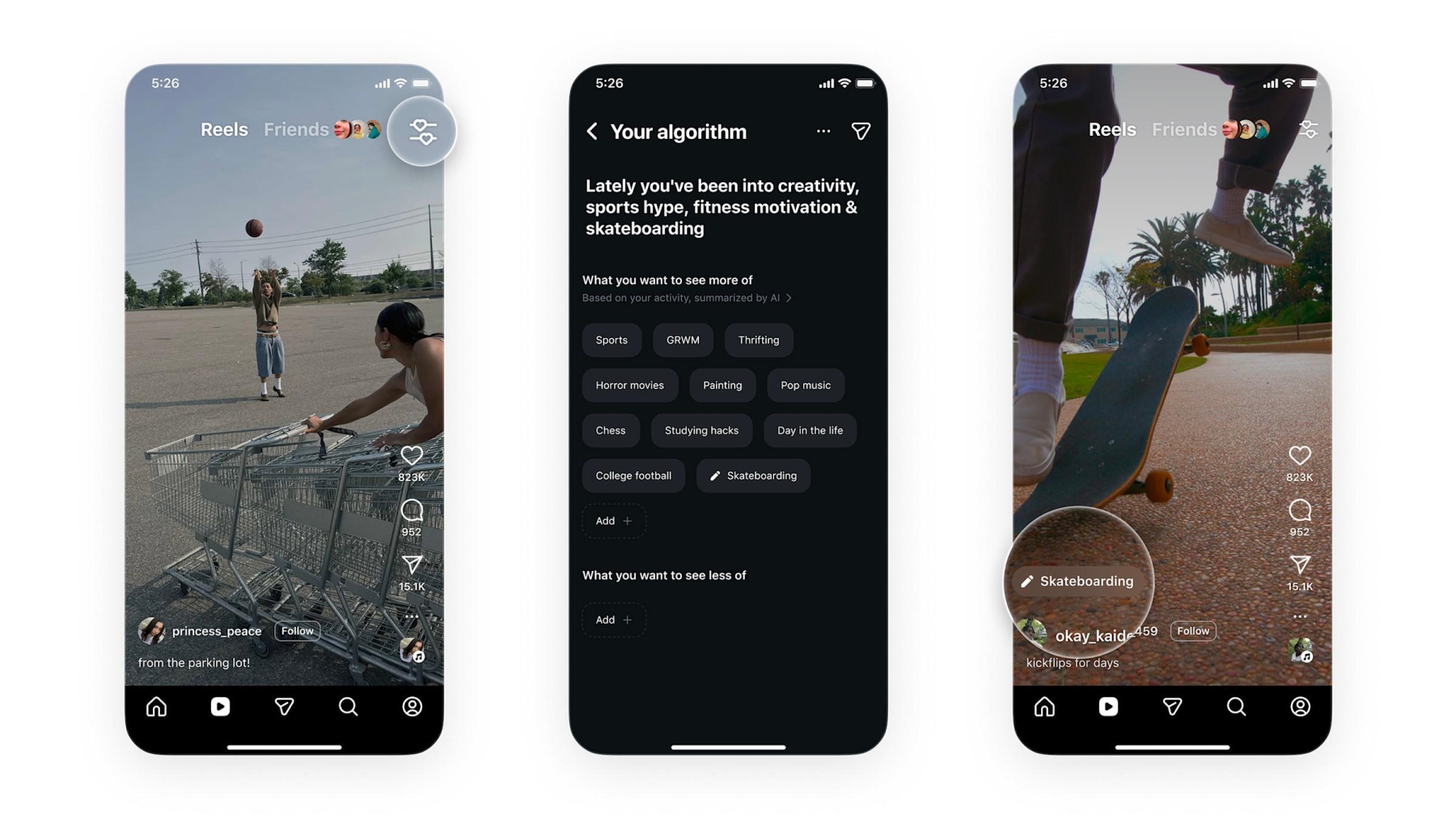
Two weeks ago, Meta launched a new, easy-to-use personal AI agent called Muse. The app, which is how users access the agent, has been sitting at No. 1 on Apple’s U.S. App Store since Friday, sending Meta’s stock up 11% Monday.
But it is already facing scrutiny over privacy concerns. Amazon.com in recent days blocked Meta’s AI agent from shopping on its site, and analysts say competitors are expected to launch their own versions of Muse in the near future.
If Meta can hold on to its initial momentum, it stands to benefit massively from a product that could access large swaths of users’ data—from text messages to emails to their calendars—at a time when investors want to see greater returns from the company’s multibillion-dollar spending spree.
One estimate from Truist Securities projects that Muse could add $28.5 billion of incremental revenue for the company by 2030.
“I don’t know whether it’s sustainable because if we learn anything from this space, give Google and OpenAI a couple weeks and they’ll duplicate whatever is out there,” said Truist analyst Youssef Squali. “At least, as of now, I think the narrative around Meta has been changing.”
Here is a look at the hurdles Meta needs to navigate for Muse to succeed.
Muse becomes more useful as the person using it gives the AI agent more access to their life, including emails, text messages and calendars. Many people are nervous about handing the passwords over for those accounts, both in general and especially to Meta, analysts say.
An Oppenheimer & Co. survey of U.S. consumers found that only 8% of them would trust Meta with their passwords, compared with 30% who felt comfortable giving them to Google.
Still, Muse has been downloaded more than 2.5 million times since its Sept. 8 launch, according to data from SensorTower, a market intelligence firm. It’s unclear how many people have given Meta full access to their online lives.
Another related problem is security.
In its launch announcement, Meta emphasized that Muse was built with security in mind and said each agent runs on its own secure, dedicated computer.
Ahead of the launch, Meta’s AI chief, Alexandr Wang, said in an interview that the company was more concerned about the potential for an agent to accidentally leak personal information or delete important emails than about the AI going rogue.
But concerns remain, analysts say.
“If tomorrow we come in and there’s some kind of major hack of some of these agents having taken someone’s credentials or somebody’s credit card information and went berserk, then I think it’ll be negative for the entire space,” said Squali, the Truist analyst.

Access to other websites
Muse is also only as good as the websites it has access to, and on Sunday night Amazon made it a worse product.
The online shopping behemoth blocked Muse from accessing its site and purchasing items for its users. In doing so, Amazon said it wasn’t made aware in advance that Muse would be accessing its store and that it didn’t authorize such action.
“We think it’s fairly straightforward that third-party applications that offer to make purchases on behalf of customers from other businesses should operate openly and respect service provider decisions about whether or not to participate,” an Amazon spokesperson said.
Meta declined to comment on Amazon’s action.
In addition to selling goods, Amazon’s shopping site has a large advertising business, and it won’t want to cede any ground to Meta in that space, analysts said. If agents do more shopping for users in the future, that means fewer humans to show ads to, and a potential rethinking of Amazon’s business model.
“Almost all of the internet marketplaces either have a very large advertising business or plan to build one over time,” said Josh Beck, a tech analyst at Raymond James. “So this, I think, is a major chokepoint.” Beck added that the sites need to believe working with AI agents will bring enough new users to their platforms to boost their revenues and not become “net negative.”
Otherwise, they won’t allow agents on their sites, he said. Meta said it has established partnerships with a number of brands, including Shopify, Instacart and Dick’s Sporting Goods.
The early and rapid adoption of Muse that has manifested in recent days is also igniting fears that AI will disrupt certain industries, including financial services. Shares sold off Tuesday in wealth-management firms, brokerage houses and even big banks, including a drop of more than 6% for Charles Schwab. Travel-site owner Booking Holdings and insurance-provider Allstate were also hit.
Future competition
Meta must gain market share and not lose it to the likes of OpenAI and Google, which analysts expect to release comparable products in the near term.
Meta does have a first-mover advantage and, as parent company to Instagram and Facebook, has millions of people’s data already and a distribution mechanism that is almost second to none, analysts say. The only other comparable product in the market right now is an AI agent from a startup called Instinct that is also gaining steam but is invite-only.
“Time to market matters here,” said Ken Gawrelski, an analyst with Wells Fargo. “These assistants get better and better as we, the consumers, learn how to best interact with them and direct our agents.”
At the same time, he added, Google has a lot of computing capacity it could redeploy to create a similar product in terms of privacy and security. Muse uses a significant amount of computing since each agent runs on its own virtual computer.
Analysts also expect OpenAI to announce a consumer AI agent in the next week or two, and for Apple to get in the game at some point, too.
“It’s way too early to have a firm view on how this will develop,” said Beck, the Raymond James analyst. “But everyone started to move in this direction.”