
Jensen Huang is caught with his pants down
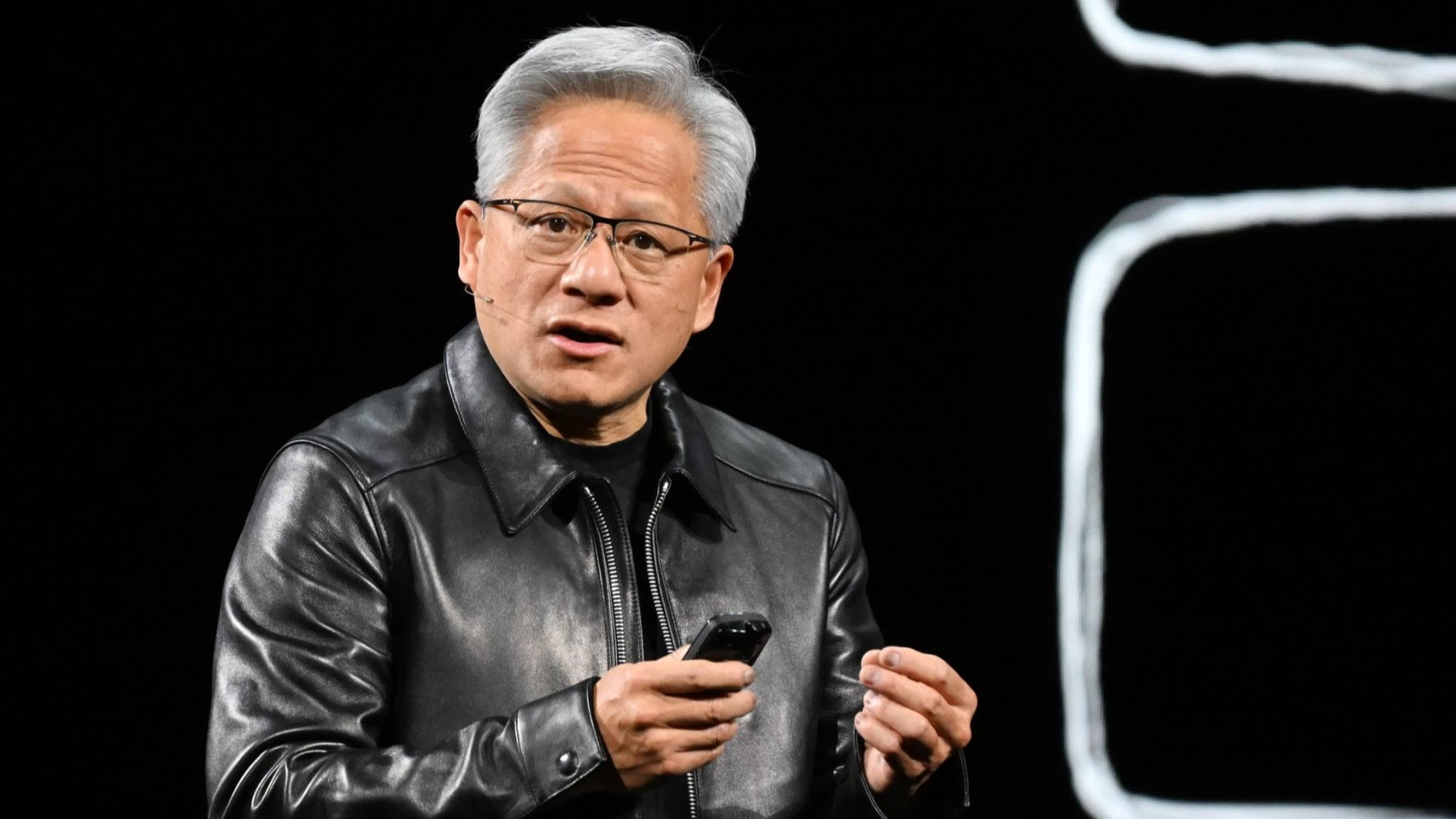
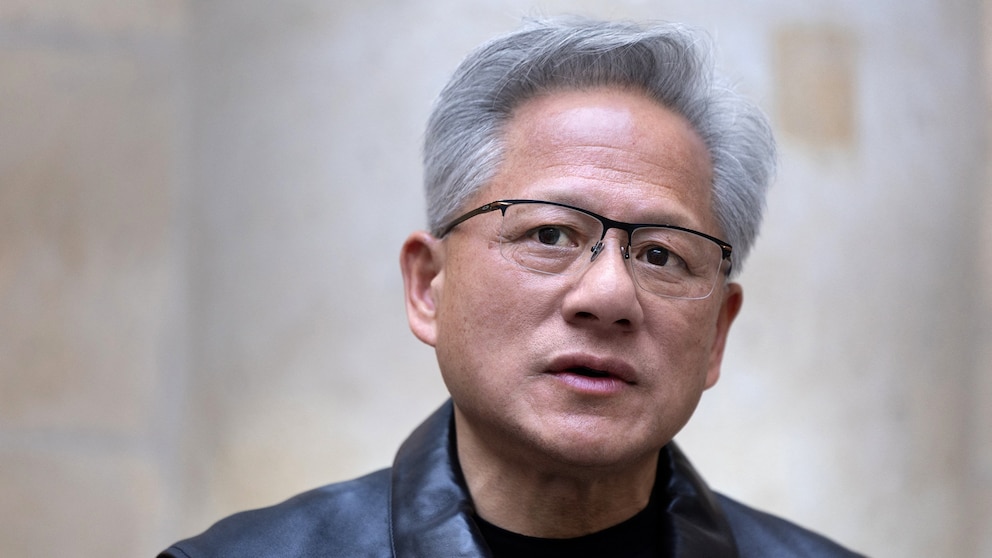
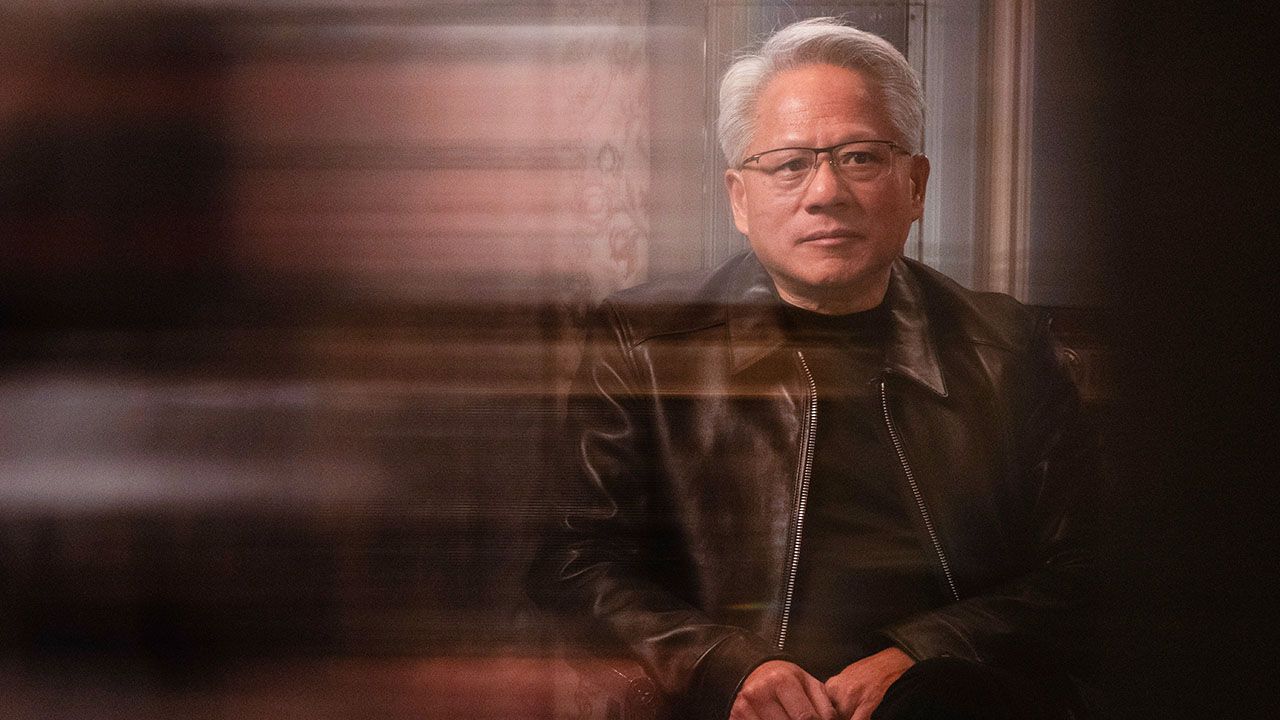
Few people have been more central to the boom in artificial intelligence than Jensen Huang. And no firm has benefited more from it than Nvidia, the chip giant that under Mr Huang’s leadership has become the world’s most valuable company. On November 8th it was struck by scandal, as Nvidia’s boss confessed to an affair that the board is investigating as a possible spy operation. The storm jeopardises Mr Huang’s 33-year reign over the company. It may also have lasting implications for the geopolitics of ai.
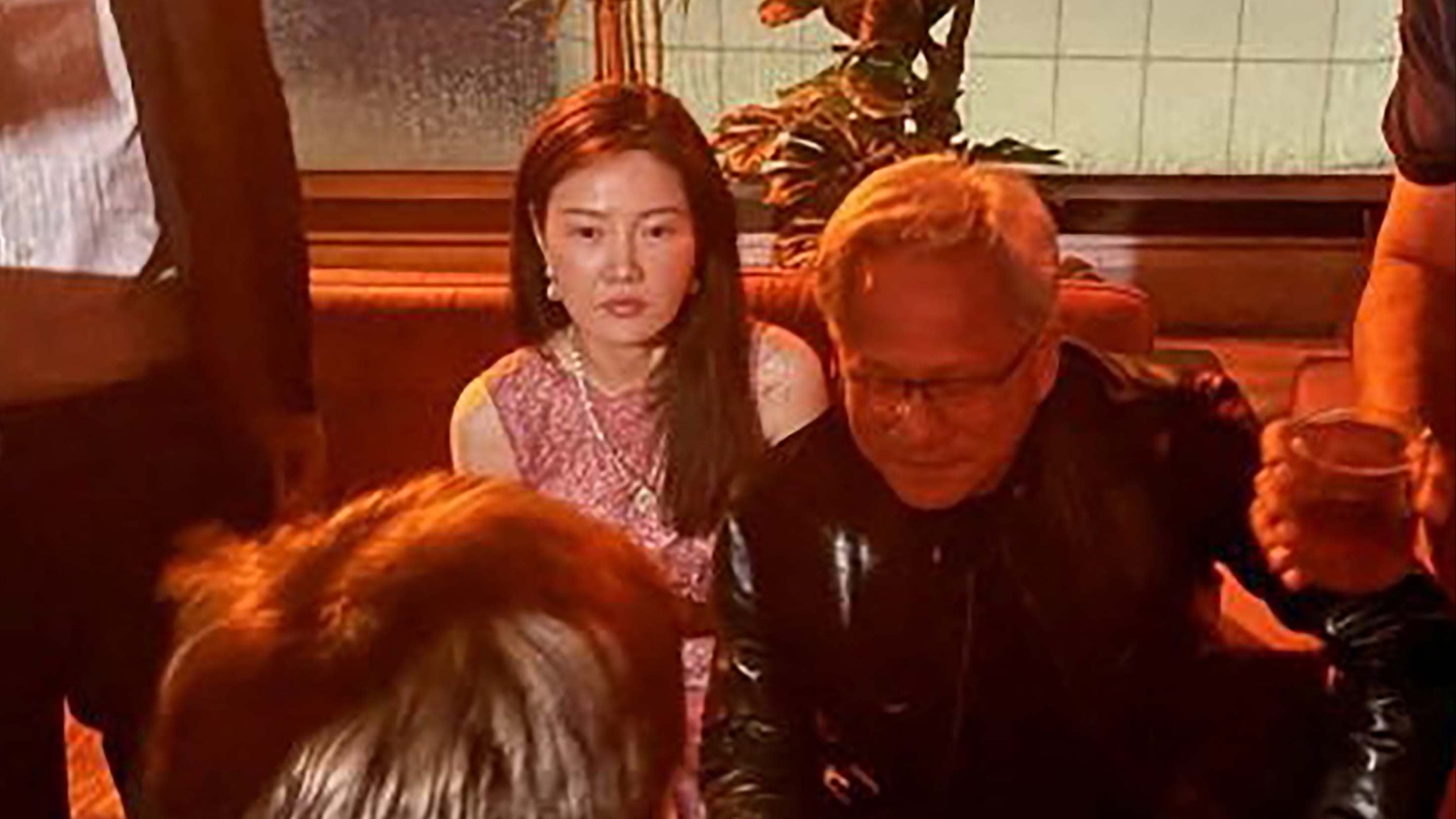
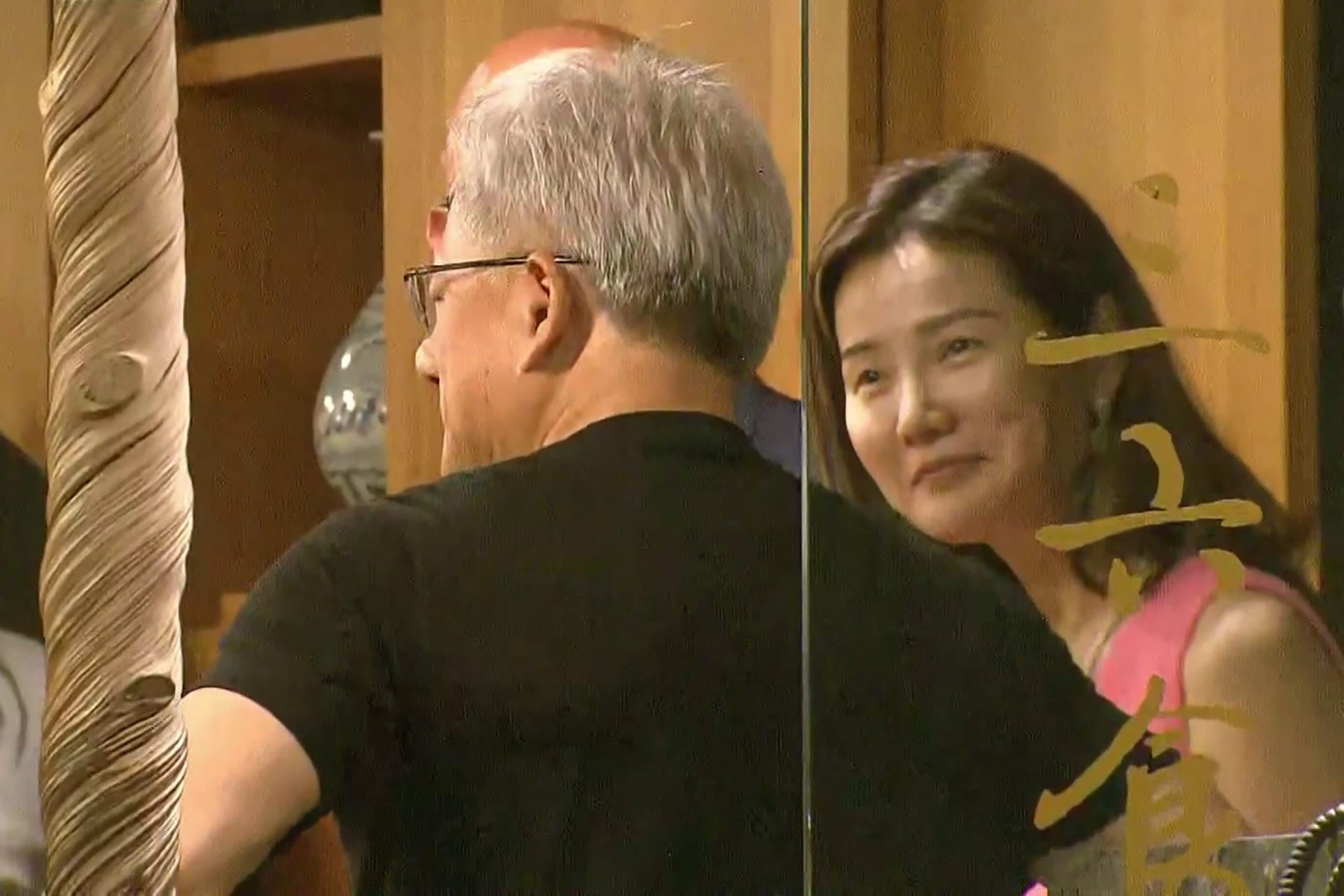
In a short memo Mr Huang apologised to his family and his company for the affair. Simultaneously Nvidia’s board said it had launched an investigation into reports that Mr Huang, who has a close relationship with President Donald Trump, had “been the target of a foreign-intelligence effort”. The missives followed allegations that Mr Huang had been romantically involved with Alice Huang (no relation), a Chinese executive of a Singapore-based data-centre company. American officials reportedly believe Ms Huang to be a Chinese spy.
Mr Huang initially insisted that there was nothing unusual about their relationship, and that it concerned only her company, Megaspeed, a client of Nvidia’s. Now he has confessed. The board said it had no reason to believe that either national security or Nvidia’s secrets were compromised. Mr Huang is expected to remain as boss during the investigation, but while it is under way his future will hang in the balance. “The big question is if he has to resign or not,” says Gil Luria of D.A. Davidson, an investment bank.
The scandal marks a spectacular fall from grace. Since the start of the current ai wave in late 2022 the market value of Nvidia has risen more than tenfold, to $4.5trn, making Mr Huang a hectobillionaire. The ultra-powerful chips designed and sold by his company provide two-thirds of the world’s aicomputing power. Mr Huang’s efforts to secure vital manufacturing capacity for ai chips in his native Taiwan have kept Nvidia far ahead of its semiconductor rivals. It increasingly resembles a family firm: his daughter and son hold senior executive positions. As Stacy Rasgon of Bernstein, a broker, noted following the revelations, Nvidia would face “considerable key-man risk” if its chief executive were to step down. It is not at all clear who would replace him.
The storm over Nvidia may exacerbate fears among investors over the durability of the ai boom, after a revolt against data centres by voters in America’s midterm elections. In his trademark leather jacket, and with a rockstar status among ai nerds, Mr Huang has been the technology’s cheerleader-in-chief. He was early to see the potential, hand-delivering a cluster of Nvidia’s graphics processing units (gpus) to Openai a decade ago at the dawn of the modern ai era. His gung-ho approach has led Nvidia to provide cash and backstops to ai labs and infrastructure providers, and he recently orchestrated a $500bn initiative involving Wall Street giants such as Goldman Sachs and Blackstone to finance data-centre investments.
The affair also brings into the spotlight Mr Huang’s relationship with Mr Trump. The American government is said to have begun its surveillance of Ms Huang more than a year ago, when it first suspected that Megaspeed was illegally smuggling Nvidia’s gpus into China. The two have been photographed together since at least 2024. Marco Rubio, America’s secretary of state, reportedly drafted a confidential memo this spring warning officials in the Trump administration about Mr Huang’s involvement with the suspected Chinese spy. Shortly afterwards, when Mr Trump took executives with him on a trip to China, Nvidia’s boss was initially excluded, but joined the trip at the last minute during a layover of Air Force One in Alaska. Asked about the latest news, Mr Trump appeared to stand by Mr Huang: “I think he’s an honourable guy.”
Mr Huang has lobbied in favour of sales of advanced Nvidia chips to China. He has advocated for the world’s ai to be built on American infrastructure—which has meant calling loudly for a loosening of the restrictions on chip exports that have gutted Nvidia’s business in China. His stance has been clear for many years, making it less likely that it was shaped by his relationship with Ms Huang. But any future lobbying by Nvidia’s boss will be met with heavy scepticism.
Congress is keen for explanations. Even before Mr Huang’s confession, three influential Republican congressmen had summoned him to a closed-door briefing partly on his interactions with Ms Huang. Chris Coons, a Democrat who is set to chair the Senate Foreign Relations Committee from January, has promised to investigate what he called “the insane relationship between the Trump administration, Chinese spies and ai billionaires”. A perilous path lies ahead for Mr Huang. ■
To track the trends shaping commerce, industry and technology, sign up to “The Bottom Line”, our weekly subscriber-only newsletter on global business.