A version of this article first appeared in the “Reliable Sources” newsletter. Sign up for free here.
This is David Ellison’s “60 Minutes” now.
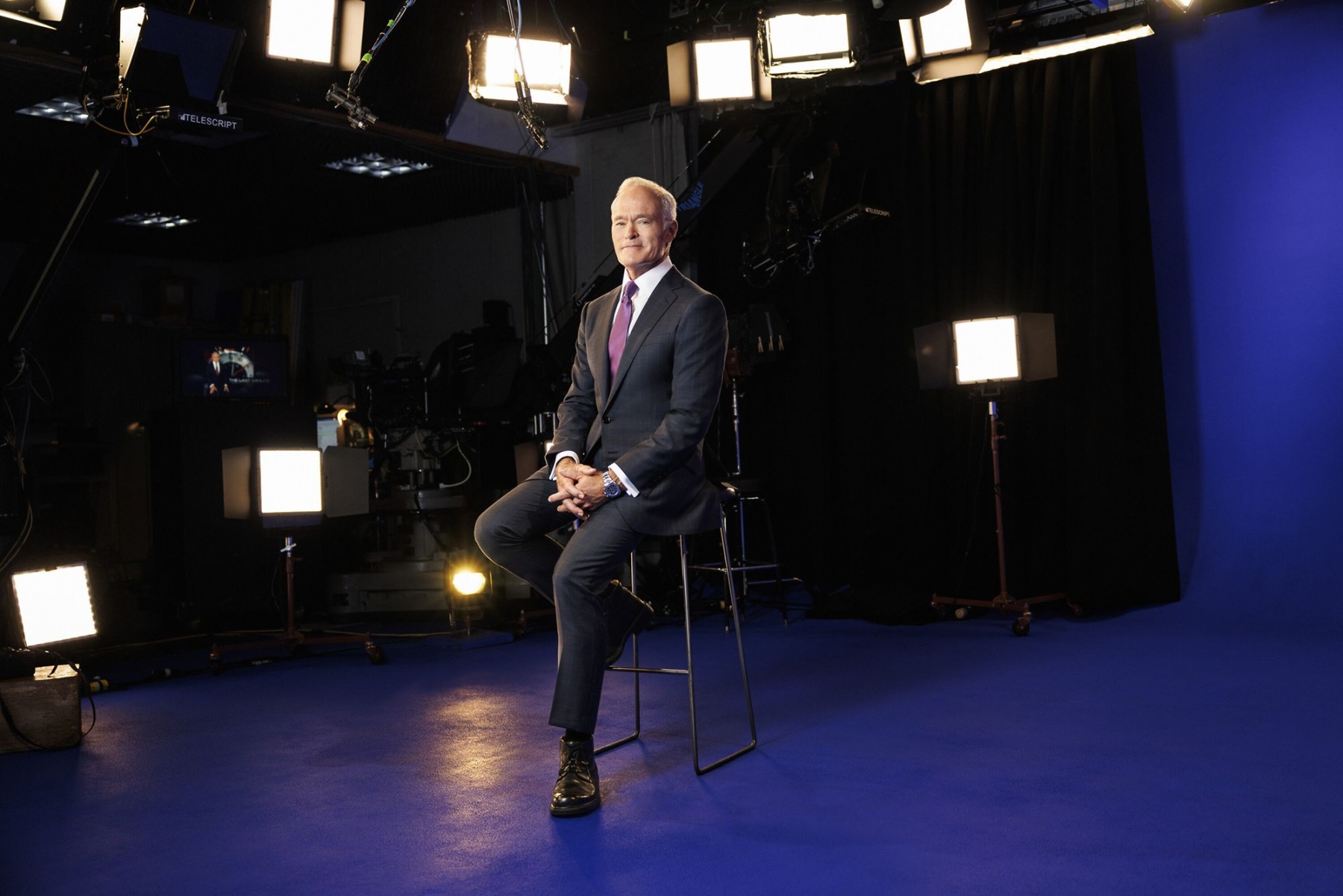
Bari Weiss directed the housecleaning at the newsmagazine last week, and Nick Bilton signed the letter telling Scott Pelley he was fired on Tuesday night, but the Paramount CEO owns the decisions and the disconcerting fallout.
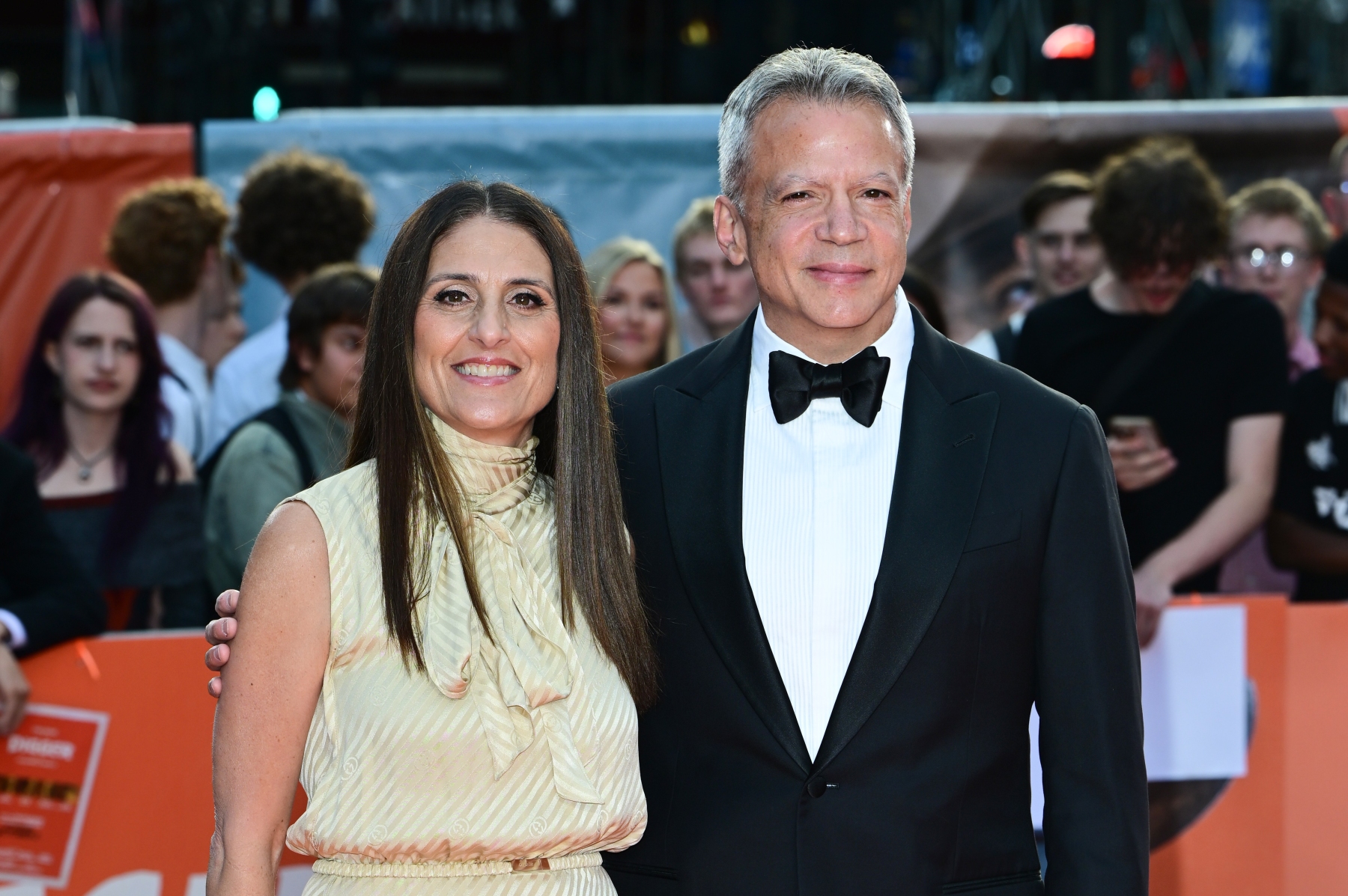
When Ellison took control of Paramount, he installed Weiss and encouraged her to shake up CBS News. When Weiss picked Bilton to run “60 Minutes,” Ellison met with him to discuss the program’s future. And when Pelley condemned Weiss and Bilton, he signed off on Pelley’s termination, according to sources with direct knowledge of the matter.
Now Weiss and co. have to recover from this crisis — which is garnering national news coverage — and rebuild “60 Minutes” while working under an unforgiving spotlight. The show always returns from summer break in September with new investigations and adventures.

CBS News staffers are texting me with practical questions: Who’s going to join the show? Last month, “60 Minutes” had seven full-time correspondents; now it has only three. Can the show live up to its reputation for quality under these circumstances?
Some of their questions are impossible to answer. How much of a reputational blow has CBS suffered? How much of this turmoil will Ellison stomach? Ultimately, is this “60 Minutes” blow-up political or cultural?
Will correspondents Lesley Stahl, Bill Whitaker and Jon Wertheim stay or go? And what about the producers who work with them? I’m told there are many institutionalists still at the show who truly care about the mission and want to stay.
Many former “60 Minutes” staffers and other observers believe Ellison and Weiss are trying to pacify President Donald Trump. Pelley said as much in his statement on Tuesday night: “The new owner of our network” is casting the legacy of “60 Minutes” aside, “apparently to curry a moment of favor with the Trump administration.”
“This is how oligarch-authoritarian takeover of media happens,” former Obama speechwriter Ben Rhodes commented after reading about Pelley’s firing.
But people close to Weiss insist that this is about culture, not politics. Weiss is trying to change the culture of “60 Minutes,” which she sees as archaic and sclerotic, several people told me on condition of anonymity.
“It’s also about ensuring that 60 Minutes — and its DNA of hard-hitting interviews, probing investigations, deep journalism — is built to survive a changing media landscape,” one of those people said.
A significant number of staffers agree that “60 Minutes” needs some change. I hear it during almost every source phone call I have.
But Weiss has not made this case publicly in much detail. And Pelley’s words carry a lot of weight. Pelley charged that her management team recently “instructed me to inject falsehoods and bias into a politically sensitive story” and said he ignored/refused those instructions. Reporters are trying to find out what he’s referencing.
I wrote on Tuesday night that the Pelley firing is sure to trigger even more scrutiny of Weiss. Ellison’s involvement shows that he continues to support her.
A TV news insider with no connection to CBS distilled the drama this way: “Bari Weiss is doing the right thing the wrong way, and it’s blowing up in her face. She’s 100% correct that CBS News needs to change, and just about everything she’s said is directionally accurate. But her fundamental mistake is that CBS News is not a startup, and treating it as such is a classic business mistake.”
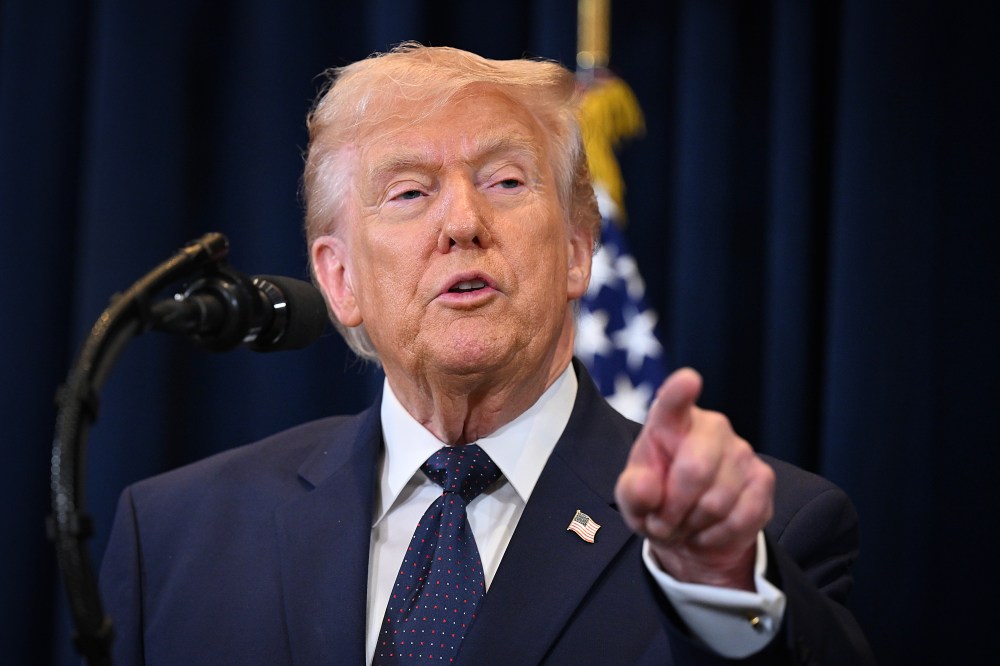
And all of this is happening while Ellison tries to take over CNN and the rest of Warner Bros. Discovery. The Trump administration — led by a president who sued “60 Minutes” in 2024, won a settlement payment, and his complained about the show several times since then — has yet to approve the deal.
What Weiss told CBS staffers
Weiss opened Wednesday morning’s CBS News editorial meeting by saying, “I need to address what’s transpired in our newsroom over the past two days.”
“I know I speak for myself, and I hope I speak for everyone here, when I say that I’m only interested in working in a newsroom that is built on trust and mutual respect. We cannot do our work without it,” she said. “That foundation was broken on Monday, and despite our attempts to engage with Scott Pelley and to find a way back, unfortunately, we weren’t able to do so, and so we had to part ways.”
“We did not want that to happen, but that’s the path that he chose,” she added.


In private, some Weiss allies have likened Pelley’s actions to suicide-by-cop, arguing that he wanted to be fired. The difference, of course, is that Pelley is now viewed as a hero by many. And his career isn’t over.
Meanwhile, Pelley’s allies are privately calling the CBS bosses malicious. One remarked to me, “Can you imagine the irony of this anti-woke free speech warrior not being able to handle someone speaking passionately in a meeting?”
During Wednesday morning’s editorial meeting, Weiss made sure to praise Pelley’s “amazing contributions” and his long career at CBS. She cited some of his “unforgettable stories” and said they’re “the kind of stories that Nick Bilton is going to put on the air come September in Season 59 with the amazing team that’s still there and hopefully from some new people that are going to be joining us.”
Pelley responded to Weiss through a statement to The New York Times.
He said, “Bari Weiss knows what she said is not true. In the meeting on Tuesday, in which I was effectively fired, there was no effort of any kind to ‘find a way back,’ as Weiss said in the editorial meeting. At no point did anyone in the Tuesday meeting suggest that there could be steps taken by either side that would lead to a resolution.”
Pelley’s rebuttal indicates that he’s not going away quietly.
The big unanswered questions
- If the remaining correspondents stay, will they win assurances from management that the show’s editorial independence and production quality will be preserved?
- How much of the “60” overhaul is about cost-cutting? How much money was Tanya Simon making per year, and how much is Bilton going to make?
- How will viewers react to all this? How much will Pelley be missed? On the one hand, he has been the heart and soul of “60 Minutes” for many years. On the other hand, as an old saying goes, “the graveyards are full of indispensable men.”
- Of Bilton’s letter informing Pelley of the firing, Matt Fuller asked on X: “Why write this letter? Who’s the intended audience? Who does Nick Bilton think he’s convincing with this?”
- Will Pelley take legal action against CBS? He was terminated “with cause,” meaning CBS won’t pay out the remainder of his contract, possibly setting up a legal tug-of-war.
- Yesterday, a “60 Minutes” staffer source told The Washington Post that this week is “like being awake during surgery.” What will the coming days feel like?
The Washington Post parallel
CNN senior media editor Andrew Kirell writes: I’m struck by the parallels here to what’s happened at The Washington Post. In both cases, outsiders arrived amid shifting political and business winds and made clear that anyone unwilling to get on board could leave. Fine. News organizations are under real pressure, and no one thinks nostalgia is a strategy.
But at The Post, the promise of reinvention-or-bust under Will Lewis came with a battered newsroom, a mass exodus of talent, a flood of scandals, lots of internal turmoil — and a business still in real trouble.

“Move fast and break things” may work in tech. But in journalism, it’s a good way to destroy what you aim to save. Institutions like The Post and “60 Minutes” aren’t content factories that can be stripped for parts and reassembled around grand ideas. They’re built on talent, credibility and human trust earned over years.
And so, as we saw with The Post, when you try to rewire the entire organization and alienate the people who built that trust, loyal readers notice — and some leave. The Post’s journalists are still doing great work, landing important scoops. But ultimately, you’re left with a hollowed-out institution that’s potentially in an even worse position.
This quote from Oliver Darcy’s Status dispatch stood out: “In the end, this is what Donald Trump wanted,” a TV executive remarked. Weakened institutions.