
Across France, 193 rallies brought together 1.6 million demonstrators, according to the main trade union, and 575,000, according to the Interior Ministry. Unions joined with high school and university students, Yellow Vest protestors and farmers to demand better pay and defend the right to protest.
By Jean-Philippe Rémy, Aline Leclerc, Bastien Bonnefous, Charlotte Bozonnet, Sylvie Lecherbonnier and Robin Richardot
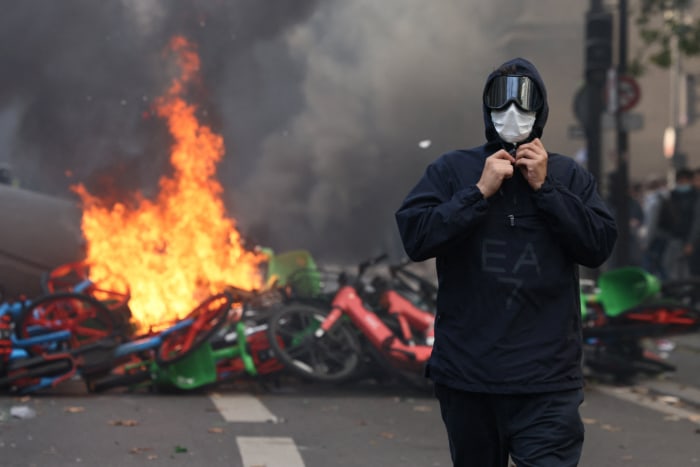
As France's social movement transforms and evolves at breakneck speed, this was no routine test. By maintaining on Thursday, November 5, a call to protest that had been issued in a completely different context a month earlier – with only a modest turnout expected – the inter-union alliance (CFDT, CGT, FO, UNSA, and FSU) set itself a significant challenge. Would the demonstration, held on a weekday, signal the beginning of the end to the wave of protests that erupted on October 17, marked by incidents of violence and looting? Or would it give fresh impetus to the movement by rallying demonstrators around political positions that were gaining broader support?
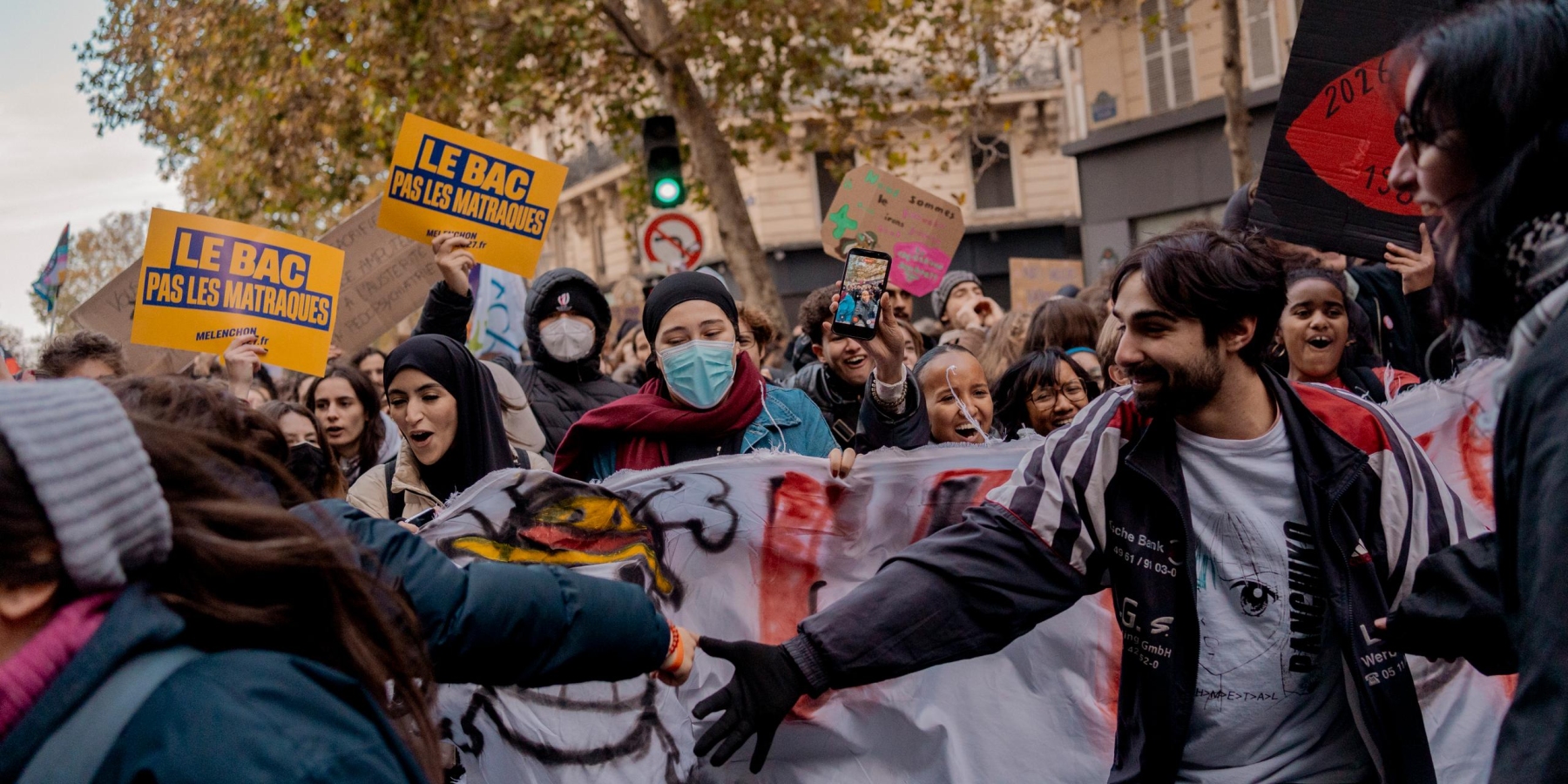
The scale of this day of nationwide protests for wages and purchasing power, which included high school and university students, the Yellow Vest movement and farmers, provided the answer. There were 193 marches across France, bringing together 1.6 million people according to the CGT trade union (and 575,000, including 55,000 in Paris, according to the Interior Ministry). But these figures do not fully capture the sense of a massive turnout observed in many demonstrations, both in Paris and in numerous cities where records for the number of protestors since the start of this movement were broken.
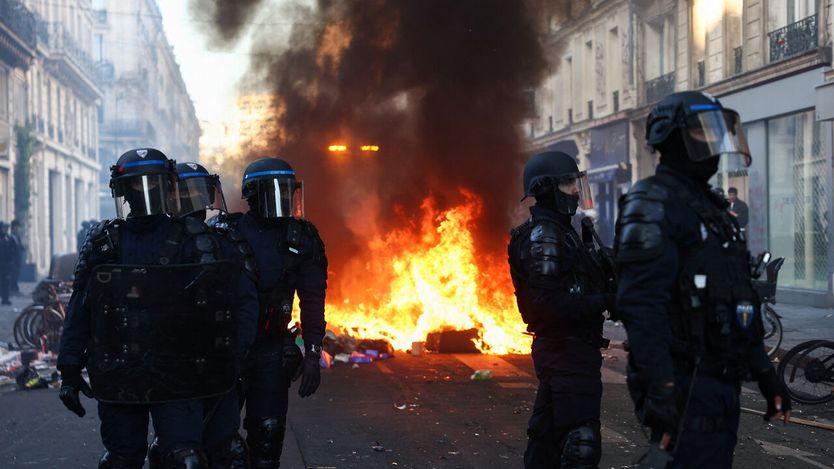
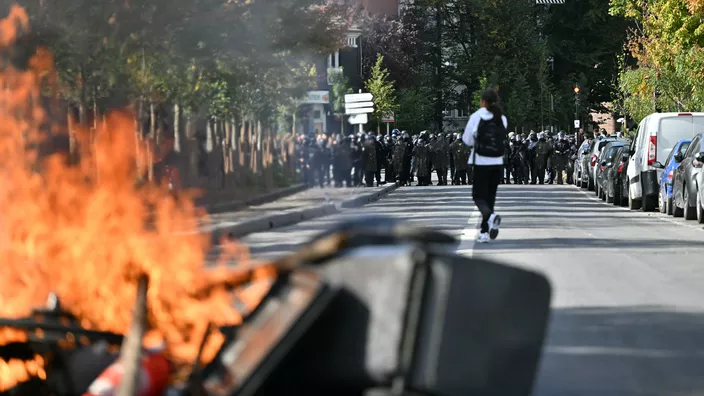
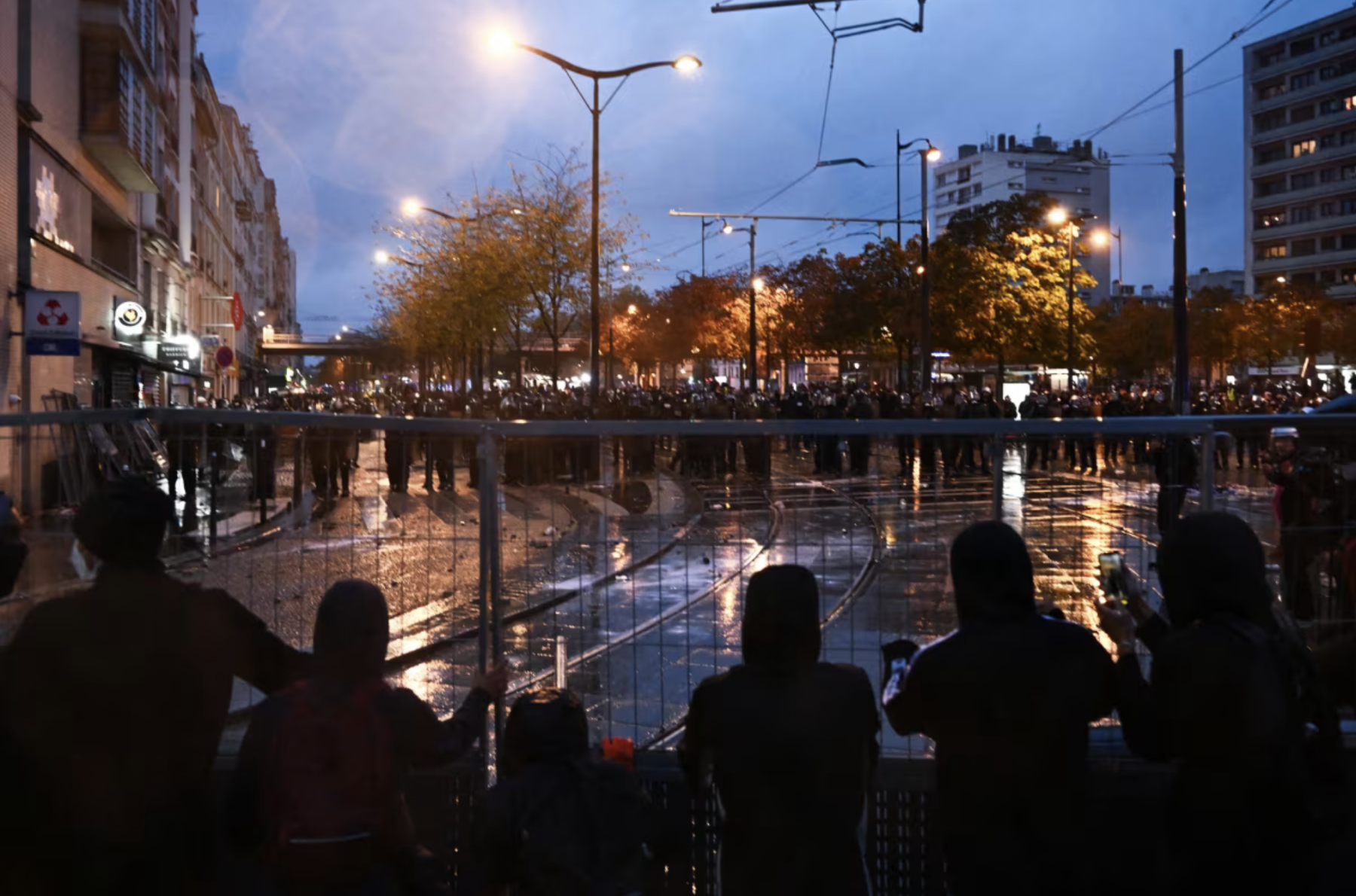
In the morning, no one knew how the day would end. Would there again be vandals attacking street furniture and shops? Police, deployed to counter a dual threat from aggressive ultra-left groups and roving looters, were on high alert. At the Bastille in Paris, in the cold of the early morning, a group of some 50 British union representatives from various sectors (health care, public service, education), who came from London by bus to "officially show their solidarity with the French trade union movement," found themselves in the middle of tension. The stunned protesters were suddenly surrounded by a line of riot police (CRS), blocking them on a street corner of Boulevard Richard Lenoir.
You have 84.37% of this article left to read. The rest is for subscribers only.