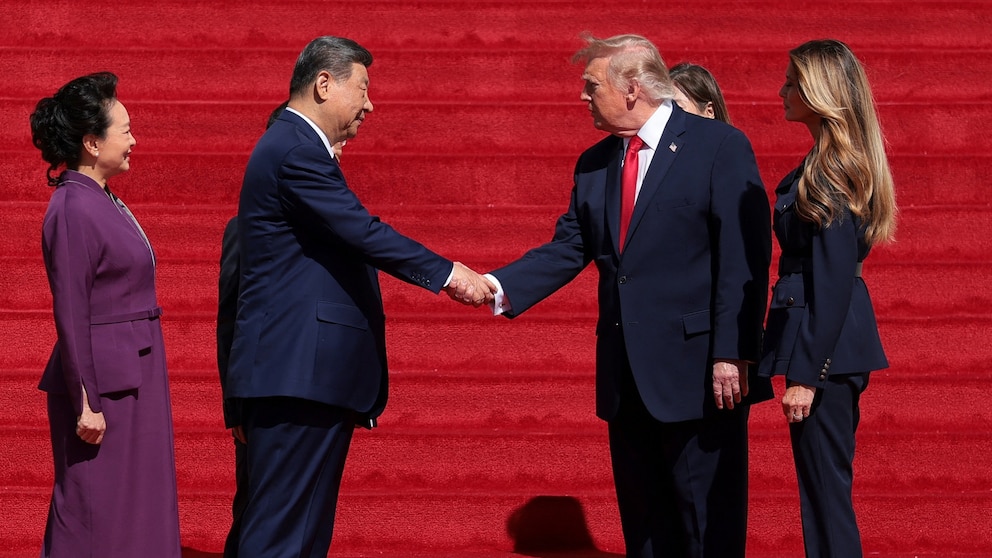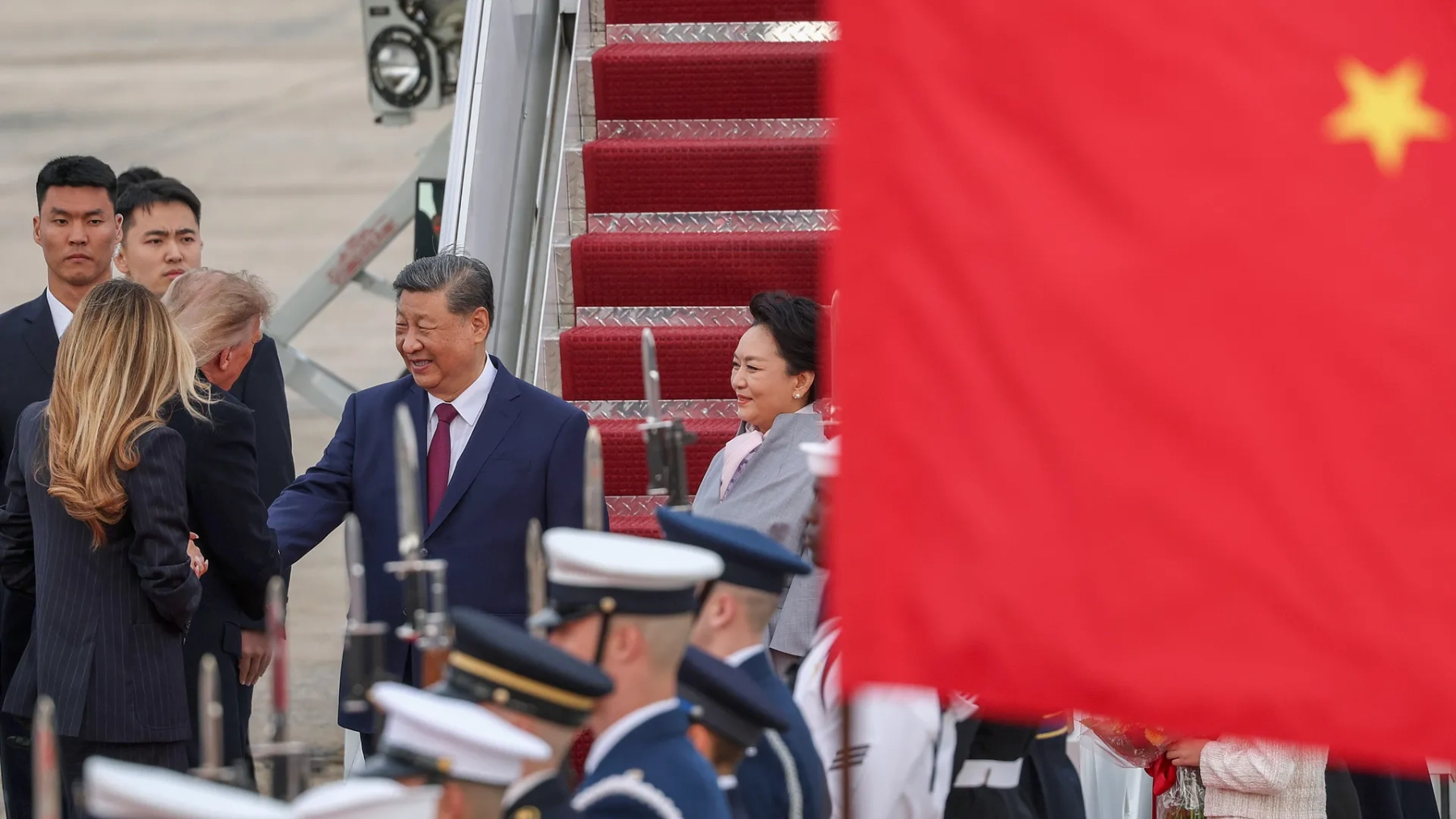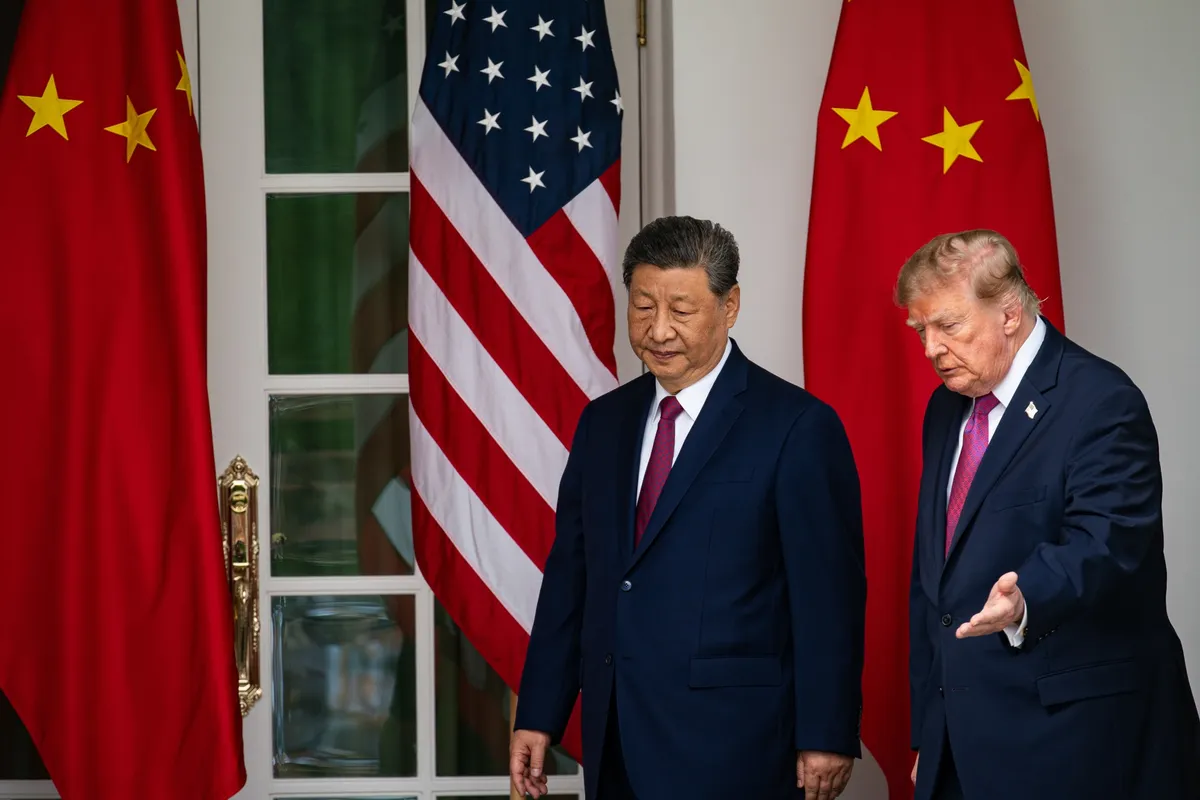

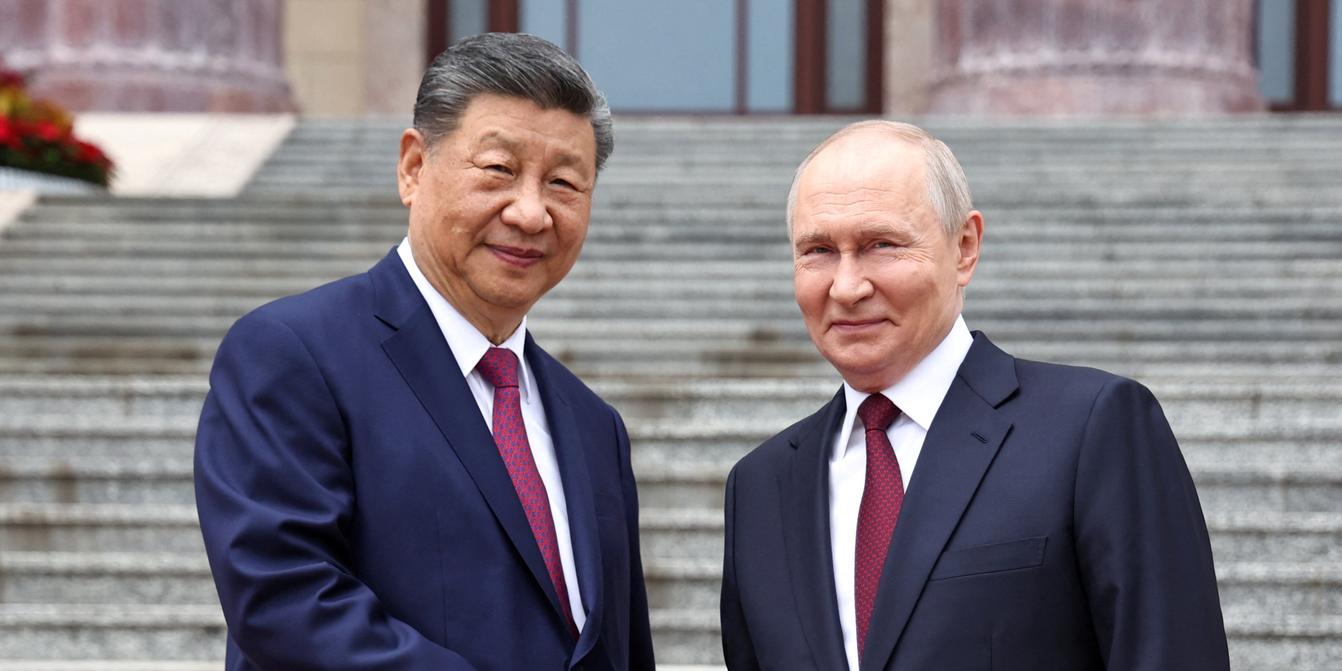
In his second term, the US president has confirmed his intention to distance the country from the 'Western collective.' Beijing and Moscow are both hoping to overturn the global order with Trump's help, writes Le Monde columnist Alain Frachon.
Not only is China unable to play the role of a superpower capable of decisively influencing current conflicts, but even if it had the means, it is far from certain it would want to assume the "policeman" role in world affairs – the position long held by the US. Xi did not arbitrate or calm anything – neither in Ukraine nor in the Middle East. The relationships between the era's three major powers are far more complex. Serving a shared strategic ambition, Putin and Xi have an ace up their sleeve named Trump – a US president who, in part, shares their worldview.
Since February 2022, when Russia invaded Ukraine, Moscow and Beijing have been bound by an "unlimited friendship" pact. Their strategic priority is to change a world order they believe remains unduly dominated by the West. Their adversary is the "Western collective," as they say in the Kremlin, a group led by the US and its Asian and European allies. This entity is said to be driven by a missionary zeal to expand liberal democratic governance. Yet now a new America is emerging. It first showed itself in 2016, during Trump's first term. Re-elected in November 2024, the Republican confirmed the shift initiated in 2016: America is pulling away from the "Western collective."
The US president does not particularly like his European allies. He feels no particular solidarity with other Western democracies. Domestically, he bends the political system in a distinct direction – toward what is sometimes called "illiberal" democracy. Calling Xi "a great leader" and adding "it's an honor to be your friend" and showering Putin with obsequious deference, the 47th president of the United States has shown a pronounced affinity for today's great autocrats – a mix of deep respect and jealousy, perhaps? Trump has stripped US foreign policy of ideology. In doing so, he has moved along tracks that converge with the major strategic choices of the Putin-Xi duo – as set out in the document signed by the Chinese and Russian leaders in Beijing on February 4, 2022.
You have 53.29% of this article left to read. The rest is for subscribers only.