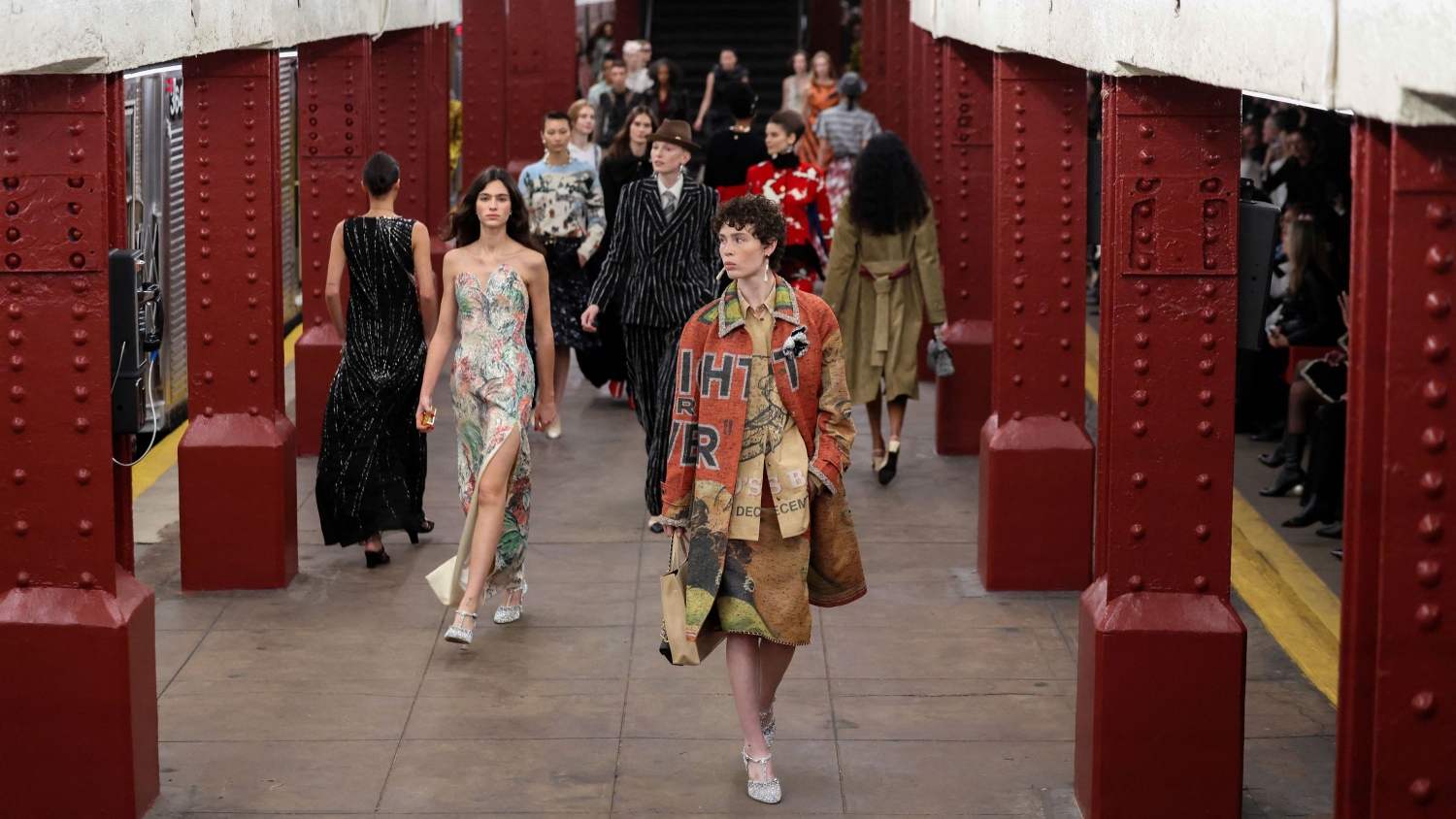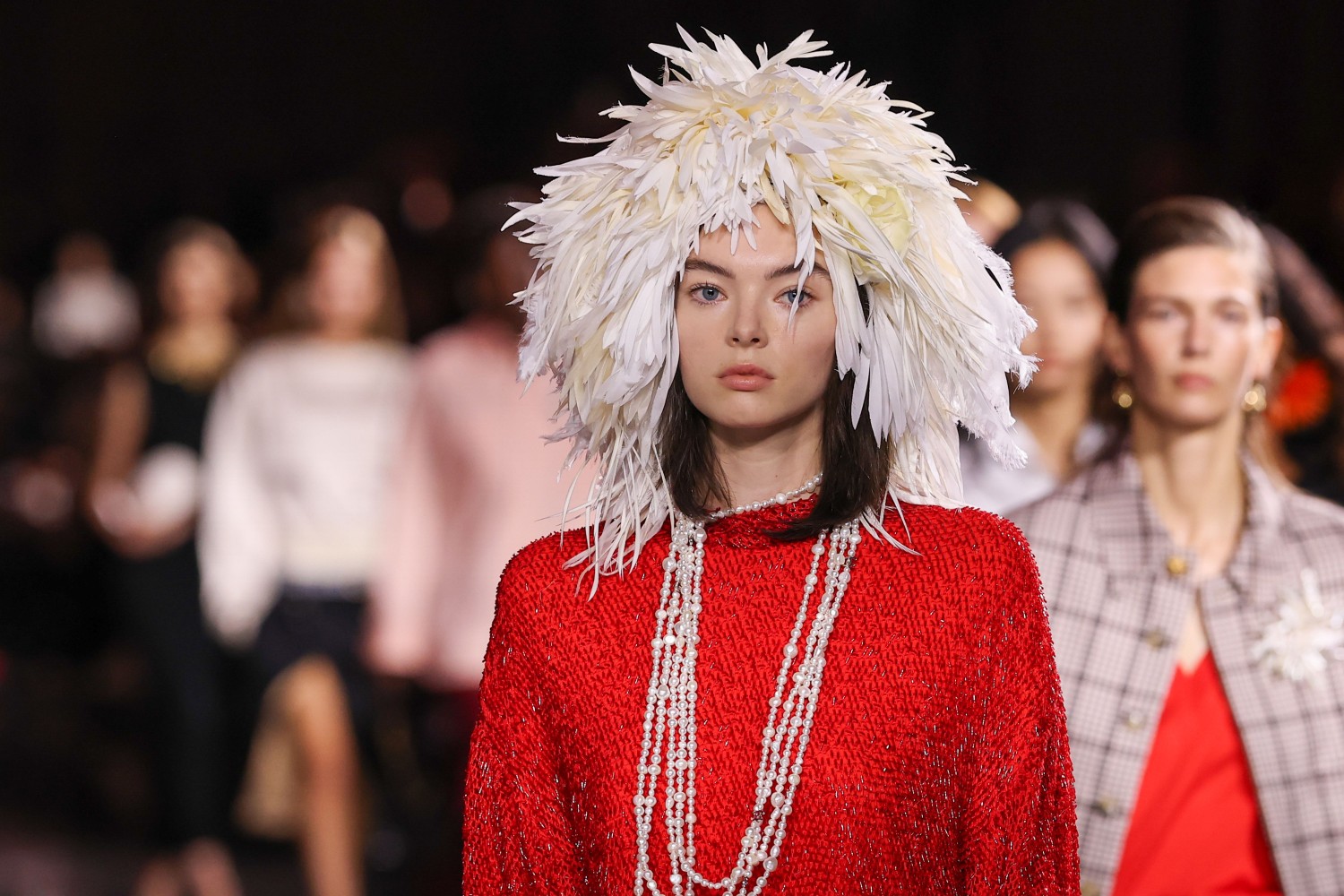

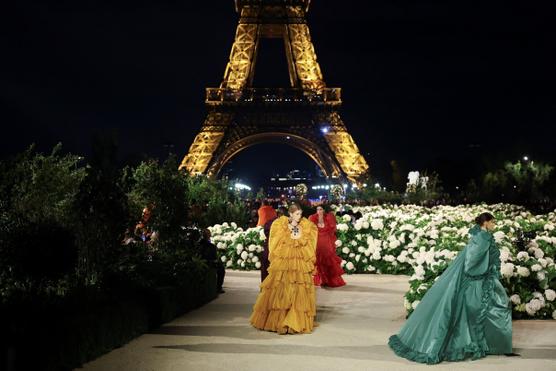
In search of spacious, central and original sites, fashion show organizers in the French capital face fierce competition. This year, local authorities are scrutinizing compliance with safety standards more closely than ever.
By Elvire von Bardeleben
For those living in the French capital but not taking part, Paris Fashion Week often means disruption: public spaces or streets taken over by private events, crowds gathering around runways and ever-worsening traffic jams. This is only set to intensify for the upcoming edition, from September 28 to October 6. The Federation of Haute Couture and Fashion (FHCM) lists 101 events, as well as dozens of unofficial events including shows, showrooms, dinners, and parties.
Paris Fashion Week attracts the largest number of buyers, customers and journalists of any such event. It draws brands from around the world eager to join the city's already vibrant fashion ecosystem. Its success, which has grown over the past decade, has brought significant economic benefits, but it also runs up against practical limits. Paris is not always able to absorb this level of activity, and managing venues for runway shows in particular has become a real headache.
Where should a collection be staged? For a long time, the answer was fairly simple. From the birth of runway shows in the 19th century to the 1970s, haute couture houses hosted them in their own salons. When ready-to-wear shows proliferated in the 1980s, they were grouped together, through an initiative of Culture Minister Jack Lang, under tents in the Cour Carrée at the Louvre. From 1994, they took place in the underground spaces of the Carrousel, at the other end of the museum. But at the turn of the new millennium, brands began searching for unique locations to reflect their identity.
You have 80.4% of this article left to read. The rest is for subscribers only.