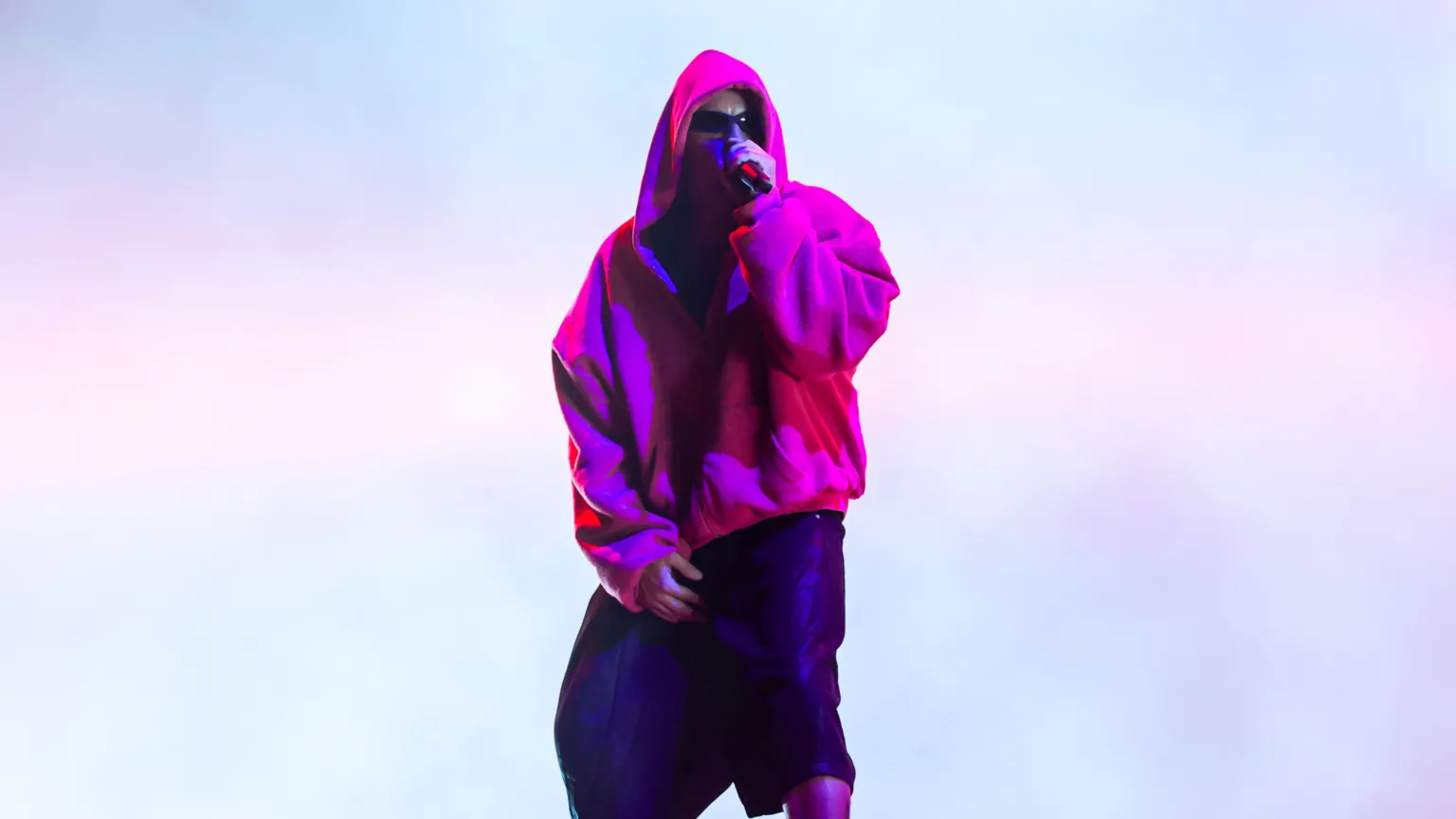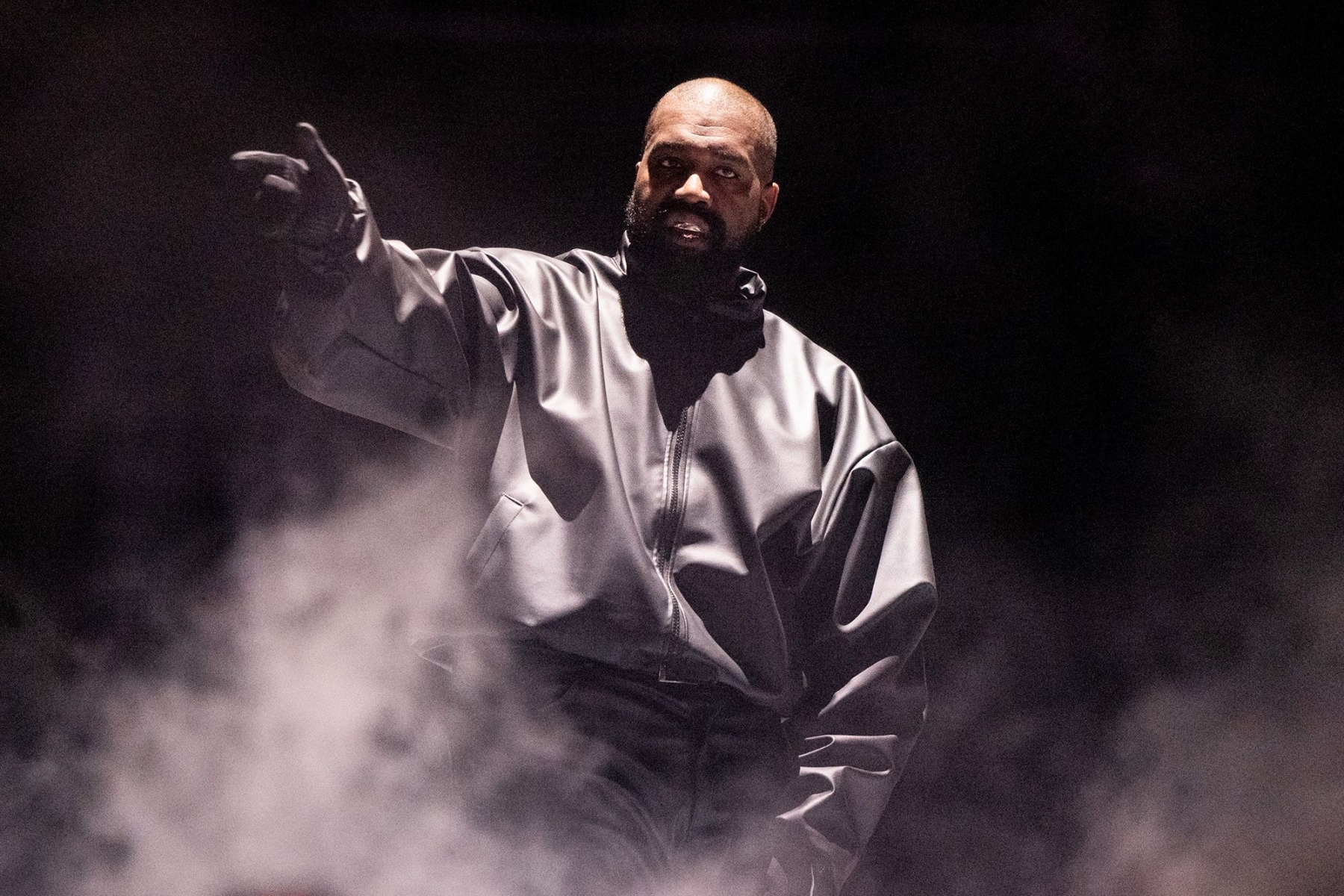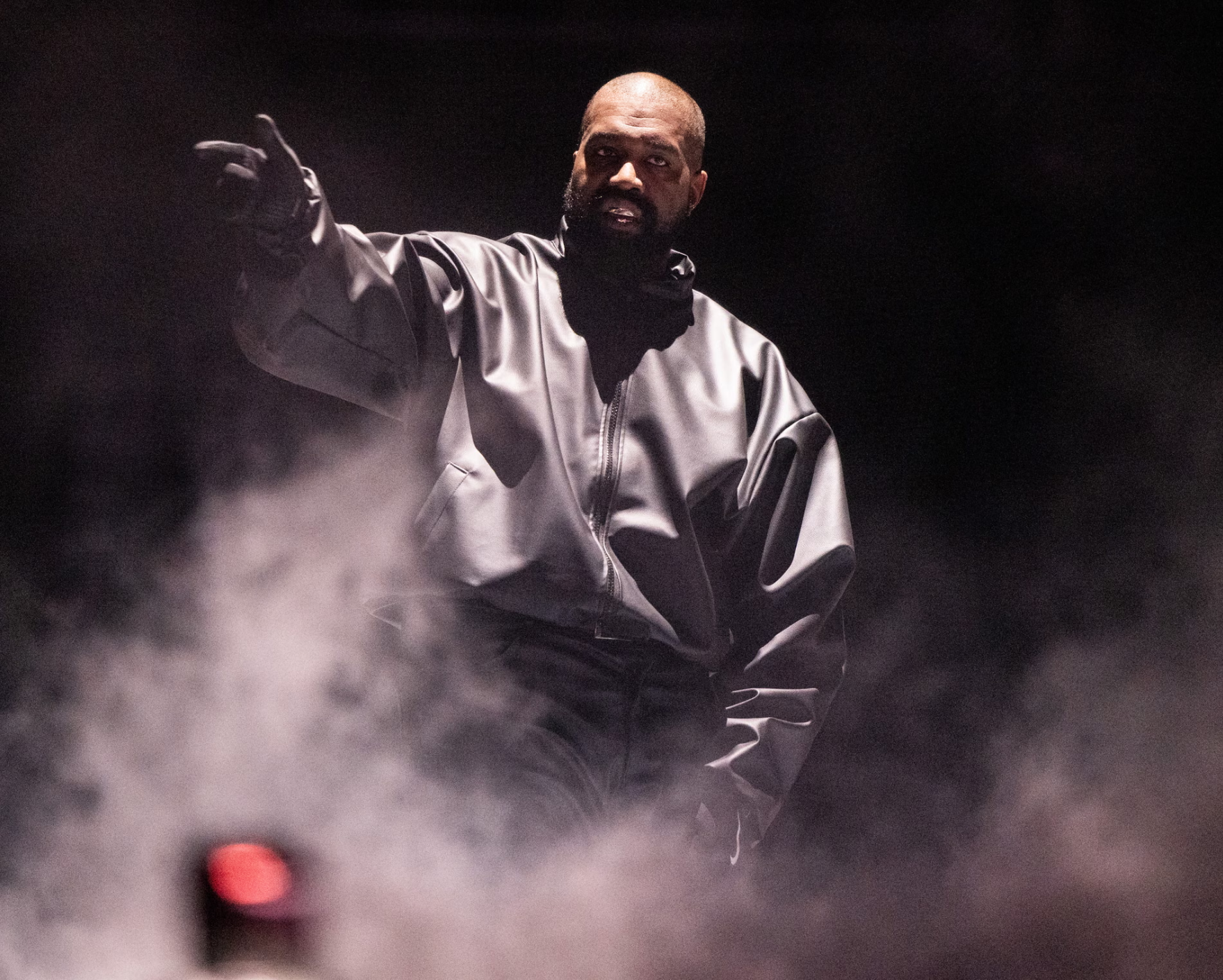

Rapper was set to play music festival for some 150,000 attendees in July
WARNING: This story references antisemitic language.
Organizers of a London music festival have cancelled the upcoming three-day event after the rapper Ye, who was slated to perform, was barred from entering the U.K. following backlash against the artist's past antisemitic remarks.
Festival organizers announced on their website that the rapper, who changed his name from Kanye West in 2021, had been denied entry into the country, and that they were subsequently calling off the event.
The Home Office said the rapper applied to travel to the U.K. on Monday via an Electronic Travel Authorization. It told CBC News that Ye had been blocked from entering because his presence would not be conducive to the public good.
Ye had been expected to headline for around 150,000 attendees from July 10 to 12 in London's Finsbury Park. Organizers said ticketholders would be refunded.
The organizers had been under mounting pressure from sponsors and politicians to cancel the gigs by the rapper, who has drawn widespread condemnation in recent years for making antisemitic remarks and voicing admiration for Adolf Hitler.
Ye released a song called Heil Hitler last year, and sold a shirt bearing a swastika for days before Shopify took down his merchandise website.
He's also denied that the Holocaust happened, made comments in defence of Nazis and posted an image of a swastika inside a Star of David. He has similarly made racist comments, like suggesting that slavery was a choice and wearing a "White Lives Matter" t-shirt to Paris Fashion Week in 2022.
In January, the rapper took out a full-page ad in the Wall Street Journal to apologize for his past antisemitic remarks. Ye attributed his behaviour to a car crash 25 years ago that he said left him with traumatic injuries and contributed to his bipolar disorder.
“In that fractured state, I gravitated toward the most destructive symbol I could find, the swastika, and even sold T-shirts bearing it,” Ye wrote at the time, adding that his mental health issues did not "excuse what he did." The rapper has made a number of apologies for his harmful words over the years.
In a statement issued Tuesday before his travel to the U.K. was barred, Ye told The Associated Press he "would be grateful for the opportunity to meet with members of the Jewish community in the U.K. in person, to listen."
"I know words aren't enough — I'll have to show change through my actions," he said. "If you're open, I'm here."
Following the festival's cancellation, Phil Rosenberg, president of the Board of Deputies of British Jews, said he welcomed the government's decision to bar Ye's entry.
"Wireless has now been cancelled but it should have never reached this point," Rosenberg said in a statement. "Music festivals should be places where all communities feel welcome, not venues that platform individuals with records of profiteering from antisemitism, racism and other repulsive views."
Rosenberg had also said in a previous statement that his group was willing to meet with the rapper as part of his "journey of healing," but only if he agreed first not to play the festival.
U.K. Prime Minister Keir Starmer added the rapper "should never have been invited to headline Wireless," adding his government stands with the Jewish community.
Festival sponsors Pepsi, Rockstar Energy and Diageo had all pulled out of the festival since Ye was announced as the headliner.
Festival Republic, the company behind Wireless Festival, said in a statement that multiple stakeholders were consulted before booking Ye and "no concerns were highlighted at the time."
"Antisemitism in all its forms is abhorrent, and we recognize the real and personal impact these issues have had."
Festival Republic had stood by its choice to have Ye perform. In a statement to media on Monday, managing director Melvin Benn urged people to offer the performer "forgiveness and hope."
"We are not giving him a platform to extol opinion of whatever nature, only to perform the songs that are currently played on the radio stations in our country and the streaming platforms in our country and listened to and enjoyed by millions," the statement said.
It's not the first time artists have been denied entry to a country for past comments. Last year, Liam Óg Ó hAnnaidh, who is a member of the Irish hip-hop group Kneecap, was barred from entering Canada at the same time that he was facing a terror-related charge in the U.K. for allegedly waving a Hezbollah flag while on stage.
The charge was later dropped because it was brought forward too long after the incident happened.
A Kanye comeback?
Despite his tirades and having been dropped by brands in recent years, some fans have stuck with Ye. The rapper's most recent album which dropped at the end of March is currently number one on Billboard's R&B/hip-hop album chart and the top streaming album, while Ye himself is second on the Billboard Artist 100 chart.
Ye reportedly made $33 million US performing two sold-out shows at SoFi Stadium in Los Angeles last week.
While controversy has long been part of Ye's brand, his recent overtly racist and antisemitic comments may not be something for which fans can forgive him, said hip-hop commentator Jacques Morel.
"Ye has apologized ... in many different instances, and we always ended up in the same place," Morel said.
While the rapper will likely remain "radioactive" in the eyes of brands for quite some time, Morel says the possibility of drawing fans back will depend on whether Ye can make sustained and sincere amends with the Jewish and Black communities he has hurt.
Ye's most recent apology in the Wall Street Journal came just two months before he released the album Bully, which Morel says raises questions about his motivations.
"It's gonna take significantly more than [an apology] in order to rebuild this. It's going to be a lifelong thing," Morel said. "It has be a sustained apology detached from an album rollout."