
French drugmaker secures two commercial drugs in its hunt for tie-ups to offset falling revenue from Dupixent
Hannah Kuchler in London, Chris Johnston in Hong Kong and Adrienne Klasa in Paris
Sanofi has agreed to buy US biotech Insmed for $41bn, boosting the French group’s pipeline with two commercial lung disease treatments ahead of a major patent cliff for its blockbuster drug Dupixent.
The Paris-based company said on Tuesday that Insmed — its biggest deal for more than 20 years — was a “compelling strategic fit”, adding to its existing portfolio in immunology and rare diseases.
Sanofi is paying $175 a share in cash for the respiratory disease specialist, a premium of about 46 per cent on its closing price on November 18, before news of the talks emerged. The deal values Insmed’s equity at $41bn.
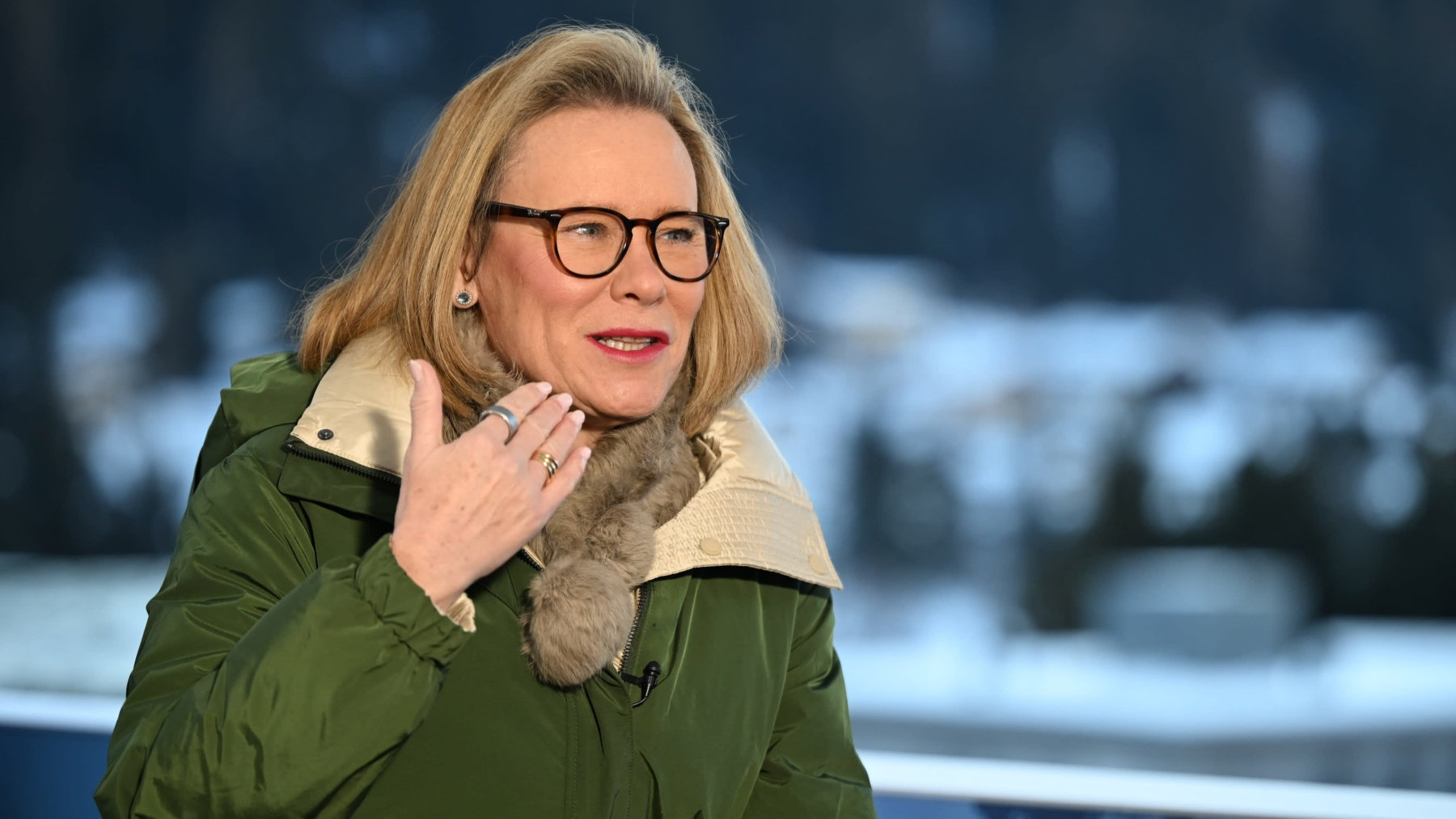
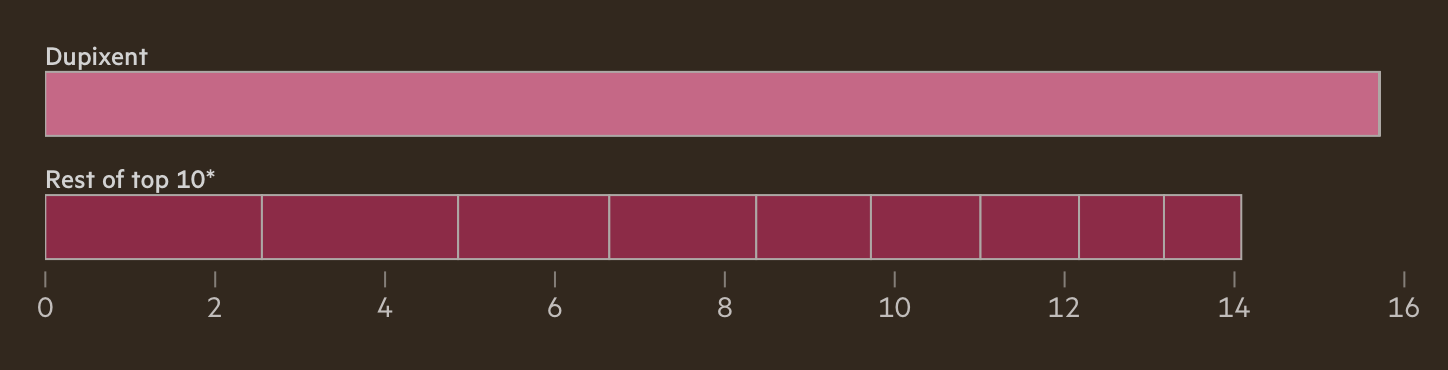
The deal marks the company’s biggest step under new chief executive Belén Garijo to secure new drugs that could succeed asthma and eczema medicine Dupixent, which generated more than a third of the company’s €43.6bn revenues last year and loses patent protection in the early 2030s.
Investors and analysts have warned in recent months that Sanofi is running out of time to find new hits capable of replacing sales of the blockbuster treatment, developed with US drugmaker Regeneron, and should focus on buying ready-made medicines. The company had this year signalled it was on the hunt for acquisitions, with one executive telling an investor conference that Sanofi was pivoting towards “later-stage and commercial deals”.
On Tuesday Garijo said the acquisition was a “very transformative transaction” that would add $10bn in peak sales by the end of the decade. “We feel quite comfortable on our ability to deliver rapidly from this acquisition,” she told the FT.
Garijo added that Sanofi retained enough firepower to do smaller deals, including potentially doing more licensing deals with Chinese biotechs, a strategy adopted by many large western drugmakers. Shares in Sanofi rose 5.6 per cent in morning trading, while Insmed added almost 15 per cent in pre-market trading.
Insmed hands Sanofi two lung disease drugs that are already on the market. Brinsupri, used to treat a lung condition that makes people vulnerable to repeated chest infections, sold more than $1bn in its first year and Sanofi said it expected “substantial additional growth”. Arikayce, which treats a type of chronic lung infection, generated $434mn last year.
Insmed also has a wider pipeline of drugs at an earlier stage of clinical development spanning respiratory medicines, immunology and inflammation, and neurological and rare diseases.
Analysts at Intron Health said the deal was a “strong” strategic fit for Sanofi — whose core drugs are in immunology, vaccines and rare diseases — and that investors had been “unanimously positive” from a strategic and financial perspective in conversations since the talks were first reported last week.
The acquisition comes as dealmaking has rebounded in the pharmaceutical industry in the past year, with many drugmakers grappling with fast-approaching patent cliffs.
GSK agreed to buy cancer biotech Nuvalent for more than $10.6bn in June, AbbVie acquired Apogee for $10.9bn, and obesity drugmaker Eli Lilly has been on a dealmaking spree, including agreeing to pay up to $7.8bn for Centessa Pharmaceuticals.
GSK agreed to buy cancer biotech Nuvalent for more than $10.6bn in June, AbbVie acquired Apogee for $10.9bn, and obesity drugmaker Eli Lilly has been on a dealmaking spree, including agreeing to pay up to $7.8bn for Centessa Pharmaceuticals.
The acquisition is the latest effort by Garijo to overhaul Sanofi. The former head of German life sciences group Merck KGaA took over in May following the ousting of her predecessor, Paul Hudson, for failing to fix the group’s pipeline.
Hudson had attempted to streamline and refocus Sanofi into a drugmaker capable of discovering its own medicines. But it suffered a series of setbacks, including disappointing results from a drug touted as a potential Dupixent replacement, which wiped almost $13bn off Sanofi’s market cap in a single day last year. Hudson is on the board of Insmed.
Garijo has this year jettisoned 20 older medicines from Sanofi’s portfolio, replaced its head of R&D and brokered a deal with Regeneron worth up to $8bn to develop four new immunology drugs.
Will Lewis, chair and chief executive of Insmed, said the portfolio had a “combined multibillion-dollar peak sales potential”.
“Together, we expect to bring our therapies to more patients around the world, faster than we ever could on our own,” he said.
Sanofi is funding the deal with debt and cash and has secured financing for the transaction. The drugmaker said it would still have the capacity to invest in earlier-stage deals and partnerships, and was committed to growing its dividend over time.
The deal is expected to boost Sanofi’s earnings per share by the end of 2028 and is not expected to have any impact on the company’s 2026 guidance.