Co-founder won’t stand for re-election to the board, Netflix says in first earnings report since pulling out of Warner Discovery bid
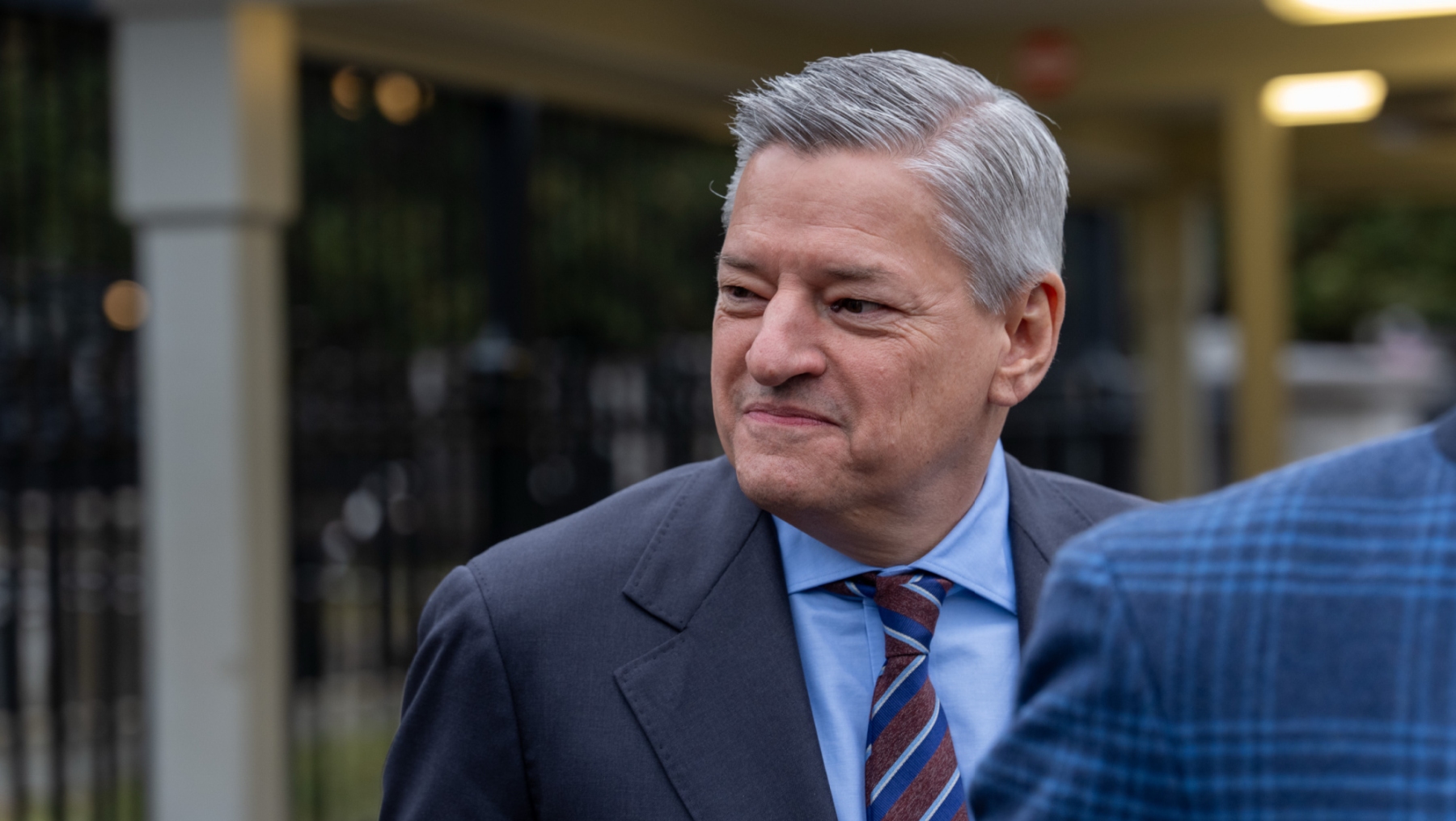
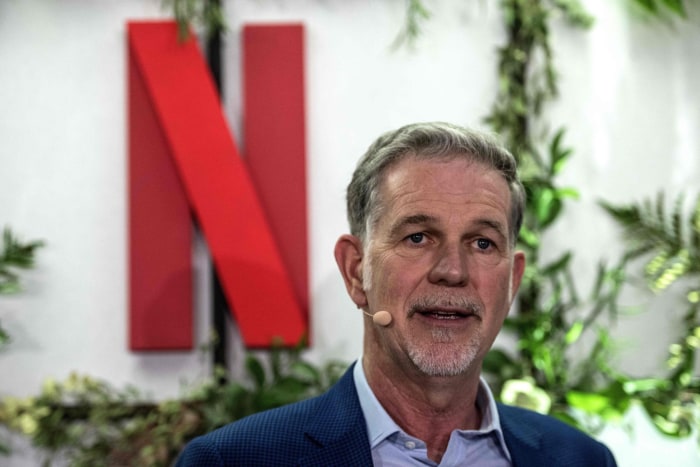
Netflix NFLX 0.07%increase; green up pointing triangle Chairman and co-founder Reed Hastings will step down from the company’s board after his term expires in June, the streaming giant said Thursday, ending a nearly three-decade run at the direct-to-consumer pioneer.
Netflix said Hastings has decided not stand for re-election to its board so he can focus on philanthropy and other pursuits.
Hastings’s departure marks an end of an era for Netflix, which under his leadership transformed from a DVD-by-mail business to a juggernaut in subscription streaming that disrupted Hollywood by changing how people consume and make entertainment.
Shares of Netflix fell more than 8% in after-hours trading, after the company reported disappointing guidance. The company’s full-year guidance was unchanged. Netflix forecast second-quarter operating margins would be lower year-over-year.
Hastings co-founded Netflix in 1997 and served as its chief executive for 25 years. He became CEO in 1999 and remained in the post until eventually ceding the role to co-CEOs Ted Sarandos and Greg Peters.
“Netflix changed my life in so many ways,” Hastings said in a statement included in a company letter to shareholders. “A special thanks to Greg and Ted, whose commitment to Netflix’s greatness is so strong that I can now focus on new things.”
Hastings serves on the boards of Bloomberg and Anthropic as well as several educational nonprofits, according to his company bio. He has been active in politics as a major Democratic donor.
Netflix disclosed Hastings’s coming departure as it reported first-quarter financial results.
The company posted revenue of $12.25 billion for the quarter, up 16.2% from the same year-earlier period. Net income was $5.28 billion, up nearly 83%. Netflix said its results were driven by subscriber growth, increased pricing and higher advertising revenue.
Thursday’s earnings report was Netflix’s first since it pulled out of its bid for Warner Bros. Discovery’s film and TV studios and HBO Max streaming service.
Netflix in December struck a deal to buy the Warner entertainment assets for $72 billion, a deal that would have dramatically changed Netflix’s business and the entertainment landscape. The pact, if allowed by regulators, would have added HBO Max to Netflix’s arsenal and would have expanded the company’s reach in theatrical movie releases.
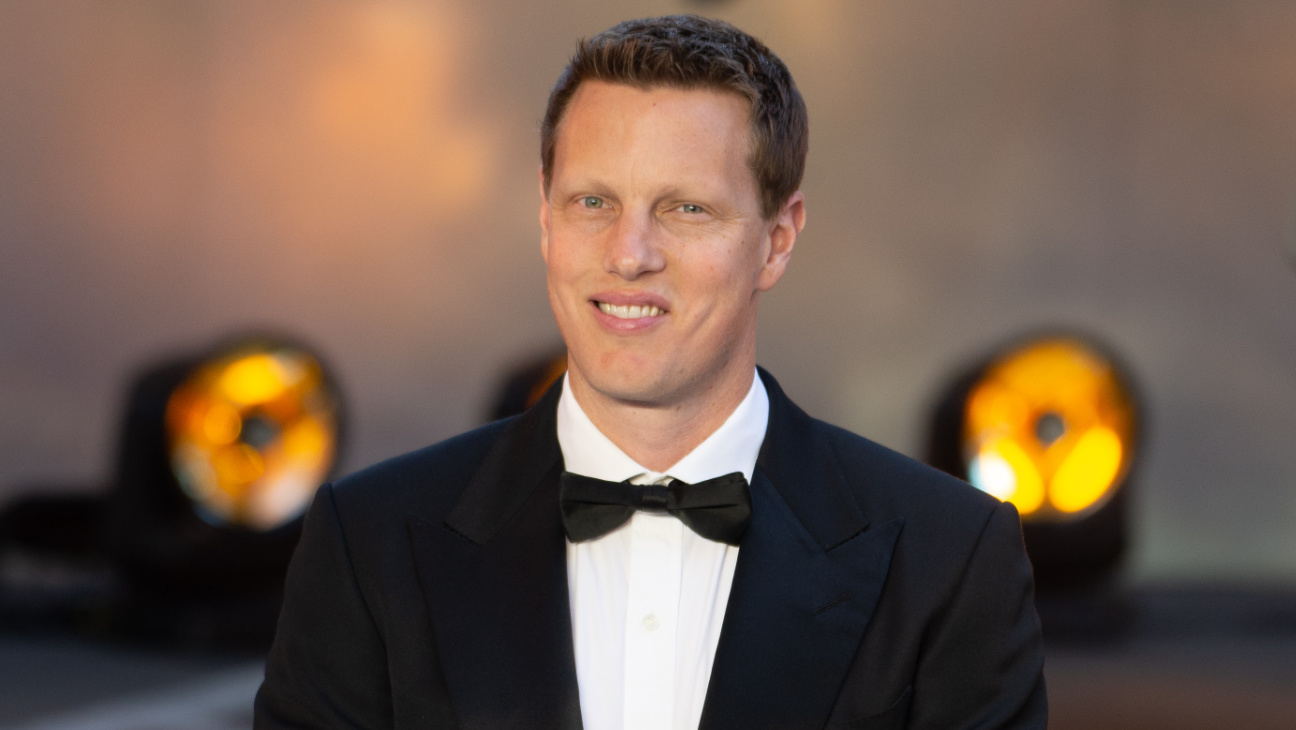
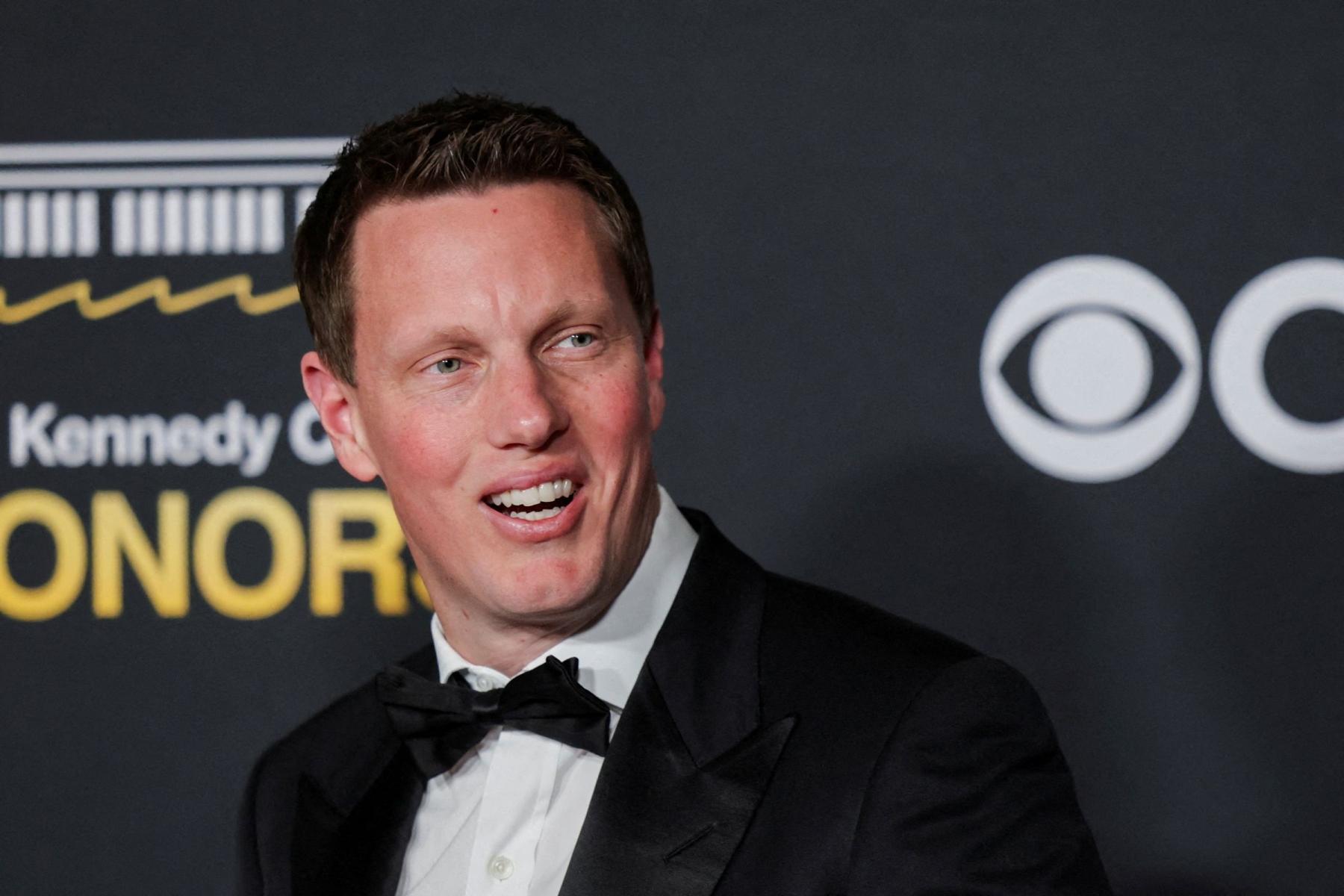
But Netflix in February decided to walk away from the deal after David Ellison-led Paramount increased its offer for all of Warner Discovery to $31 a share, or $81 billion, which Warner’s board determined was superior. Unlike Netflix’s scrapped deal, Paramount’s acquisition of Warner includes the company’s cable networks.

The Warner deal would have been a break from Netflix’s typical practice, nurtured by Hastings, of building from within rather than buying other companies. Netflix’s stock has surged since it abandoned its pursuit of Warner.
Sarandos said on Netflix’s earnings video interview that Hastings’s departure wasn’t related to the company’s pursuit of Warner. “Reed was a big champion for that deal,” Sarandos said. “He championed it with the board.”
“Warner Bros. would have been a nice accelerant for our strategy, but only at the right price,” the company said in its letter to shareholders on Thursday.
Paramount footed the bill for the $2.8 billion breakup fee Warner owed Netflix as a result of accepting Paramount’s offer. The breakup fee helped push Netflix’s earning per share to $1.23 for the first quarter, up 86% from the same quarter a year earlier.
Netflix on Thursday said its mission remains “ambitious and unchanged.” The company also laid out three areas of focus for its business strategy going forward: entertainment value, using technology to bolster its service and improving monetization.
Popular programming during the quarter included new seasons of “Bridgerton” and “One Piece,” the company said.
In March, Netflix raised its subscription prices across its plans in the U.S. The streamer’s ad-supported plan now costs $8.99 a month, while its standard plan costs $19.99 and its premium plan costs $26.99.
Isabella Simonetti is a media reporter at The Wall Street Journal in New York. A member of The Journal's technology and media team, Isabella covers the media industry broadly, spanning sports rights, new media, cable TV and publishing.