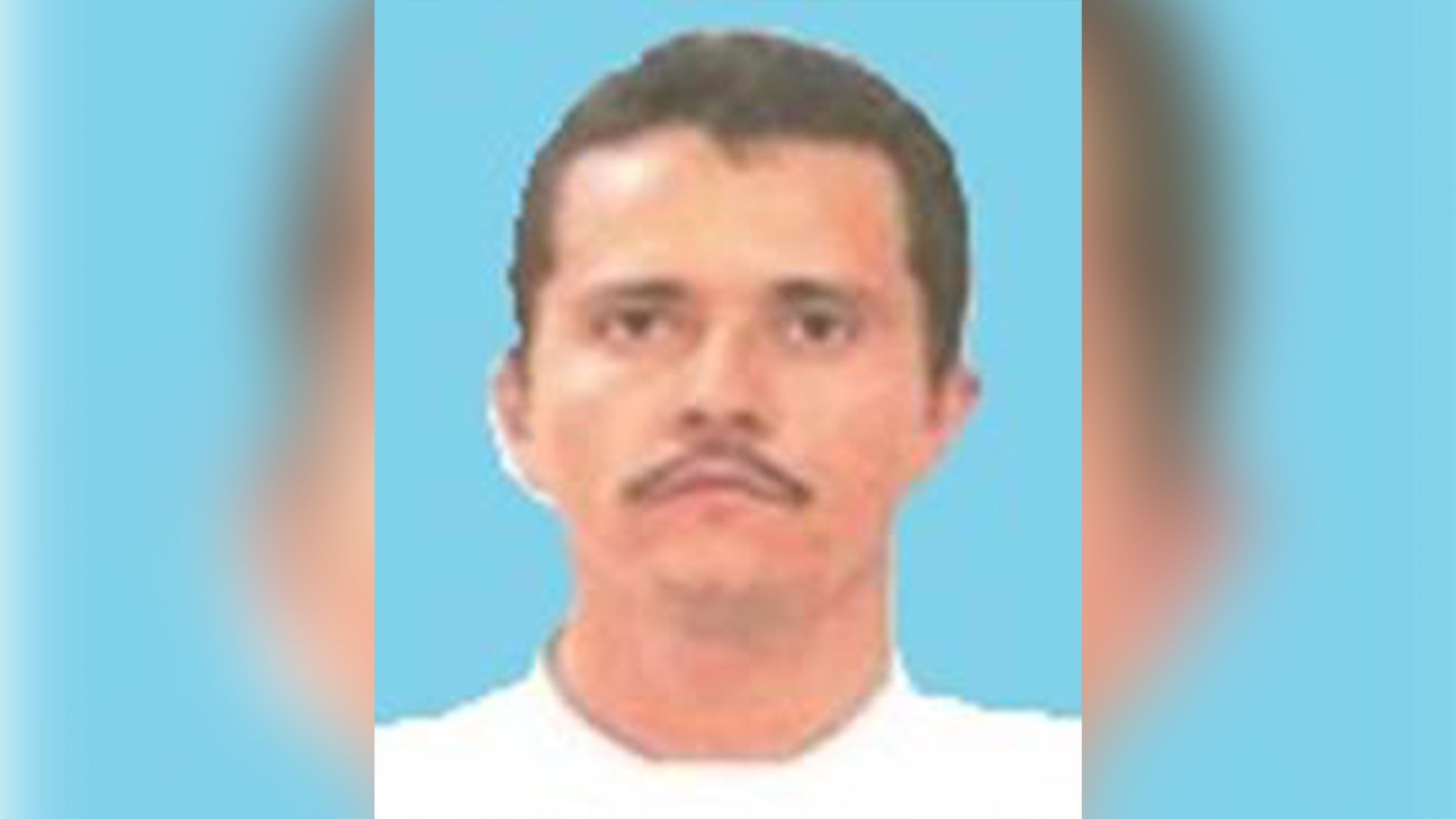

.Special forces hunted down Jalisco cartel leader Nemesio ‘Mencho’ Oseguera after he met with a girlfriend in a secluded forest cabin.
By Santiago Pérez, and José de Córdoba
MEXICO CITY—Security forces launched a massive operation to capture Mexico’s top drug lord after U.S. and Mexican intelligence agencies tracked one of his girlfriends to a secluded love nest in a colonial town, Mexican officials said Monday.
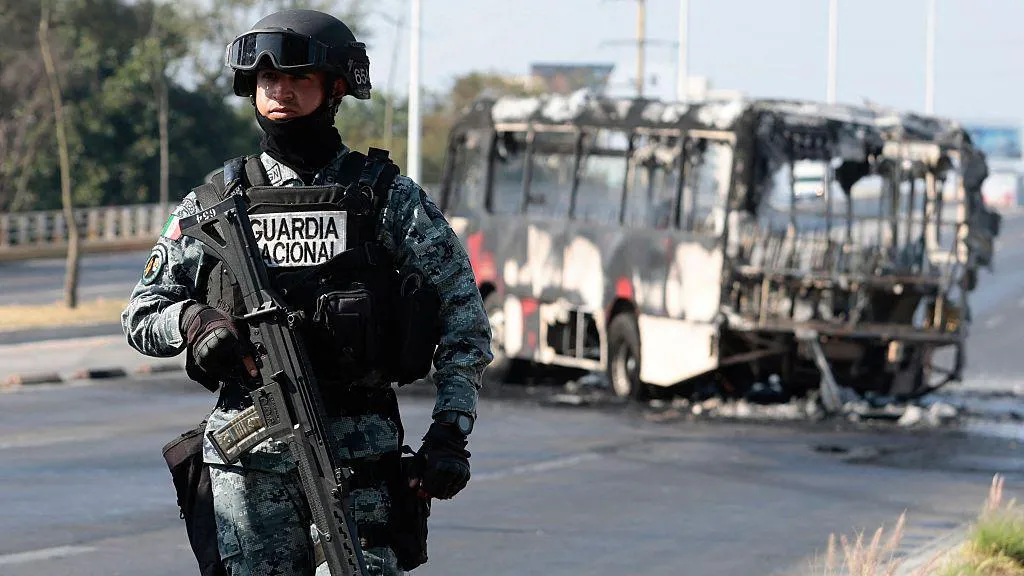
Early on Sunday, a team of elite Mexican army and National Guard special-operations soldiers descended on the community of Tapalpa in western Mexico, where Nemesio “Mencho” Oseguera, the head of the Jalisco New Generation Cartel, remained holed up after his girlfriend left, Mexico’s Defense Secretary Gen. Ricardo Trevilla said on Monday.
The soldiers chased Oseguera and several bodyguards, surrounding them deep into nearby woods, Trevilla said.
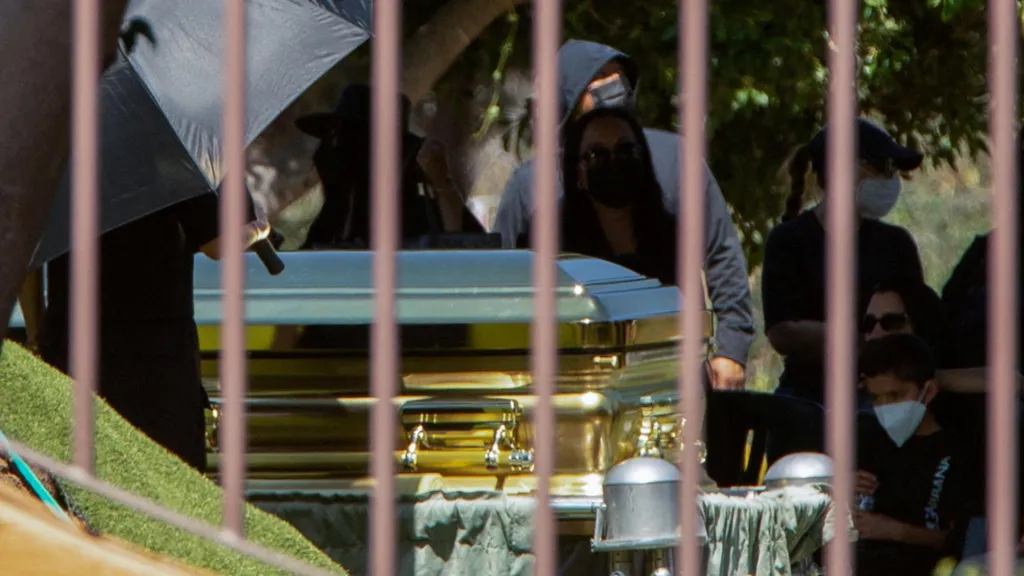
A battle ensued, as Oseguera’s desperate bodyguards, armed with two rocket launchers, fired on the pursuing troops. In the fighting, eight people were killed, including Oseguera and two other bodyguards who were seriously wounded and then died in a military helicopter later.

Trevilla said Mexican intelligence services identified a man close to Oseguera’s lover who took her to Tapalpa, a mountain weekend getaway community surrounded by pine forests in western Jalisco state. Mexican officials said U.S. intelligence helped the operation.
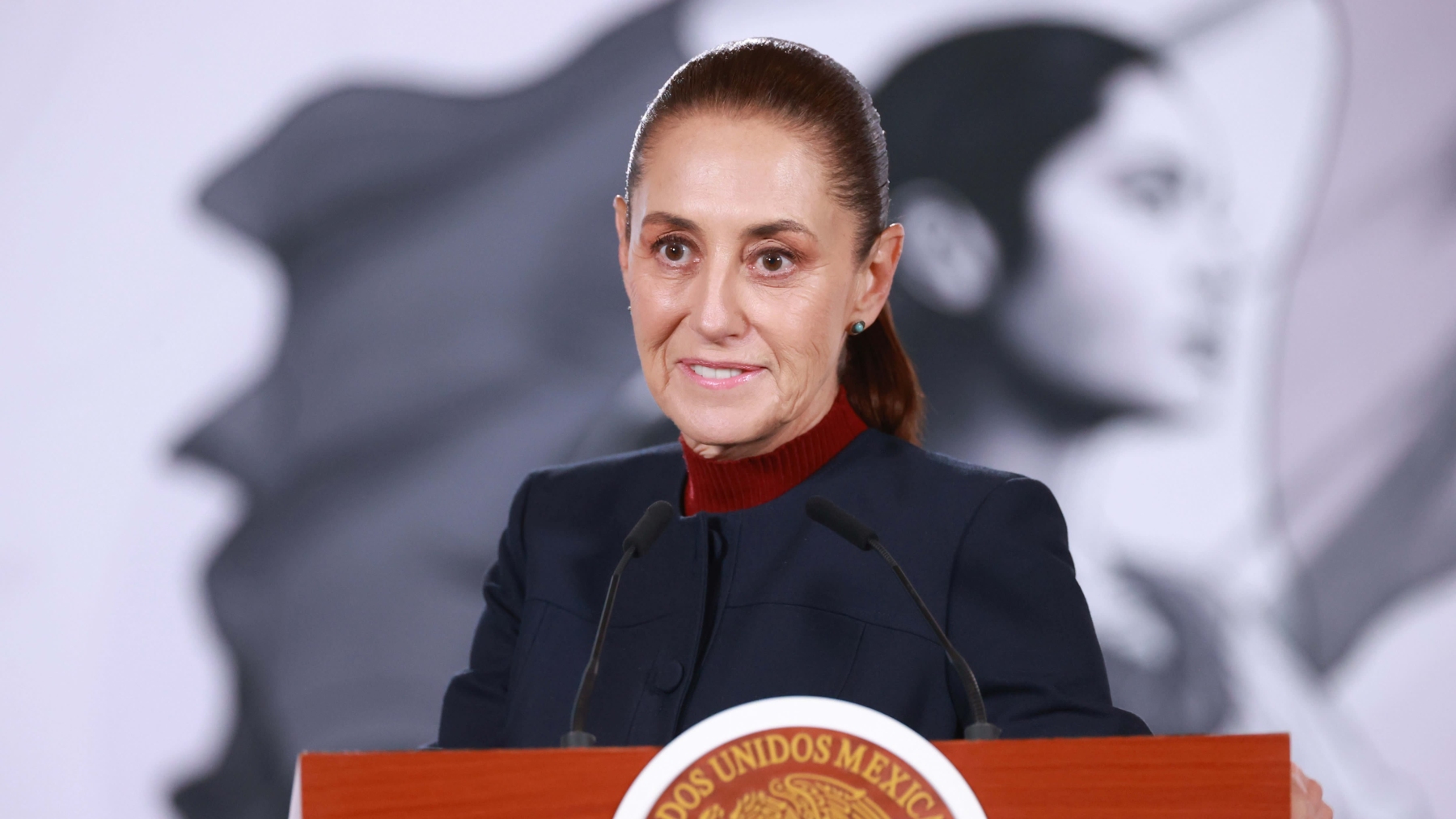
“The intelligence process is very complex; it requires a great deal of time to gather a lot of information from diverse national and international sources,” Trevilla said with Mexican President Claudia Sheinbaum standing alongside him.
More than 50 people died in the aftermath of the raid during the gang’s counteroffensive. The dead included 25 Mexican soldiers and security officers and 30 alleged gunmen. There were also civilians caught in the crossfire, including a pregnant woman, authorities said.
Overcome with emotion, Trevilla paused as he lauded the soldiers who died on Sunday.
“We have strengthened our relationship with the U.S. Northern Command,” Trevilla said.
Sheinbaum said that she was notified of the operation early on Sunday. She instructed the setup of a central command.
The U.S. had a $15 million bounty on Oseguera.
Authorities seized heavy weapons and ammunition, two rocket launchers and eight vehicles used by Oseguera’s operatives; some of them were armored.
U.S. officials said that the U.S. Joint Interagency Task Force-Counter Cartel, a newly established U.S. military-led unit created to dismantle drug-cartel networks, helped with the mission.
Sheinbaum said that there were no U.S. boots on the ground. She reiterated on Monday that she has rejected direct U.S. involvement, but her administration has strengthened security and intelligence cooperation.
“All operations, from their planning onwards, are the responsibility of the Mexican federal forces,” Sheinbaum said. Two soldiers were injured during the raid.
A top financial operator for Oseguera was also killed in a gunfight at a nearby town as he attempted to flee in a car Sunday. The cartel operative was offering rewards of 20,000 pesos, equivalent to almost $1,200, for the death of any Mexican soldier involved in the operation, Trevilla said.
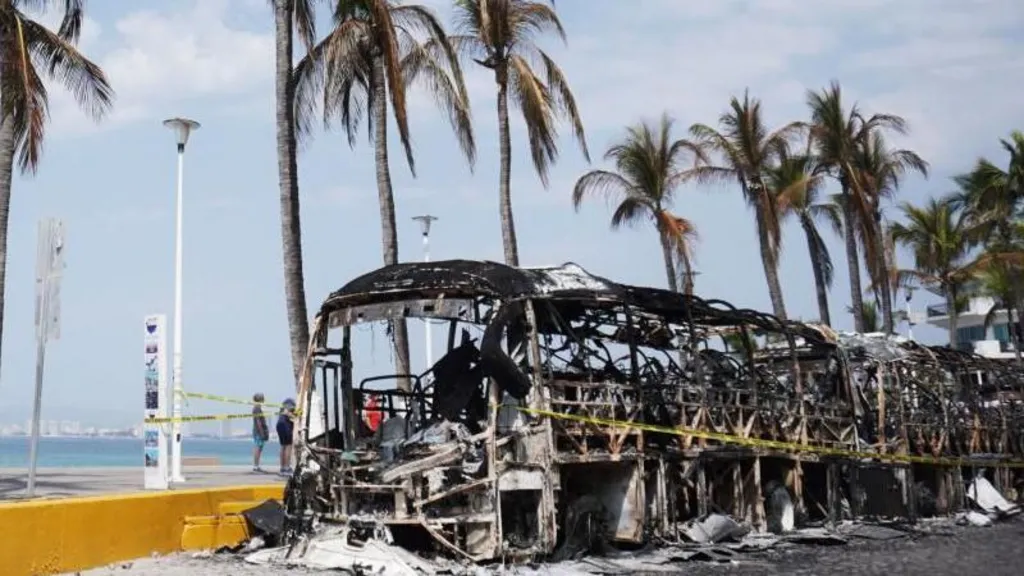
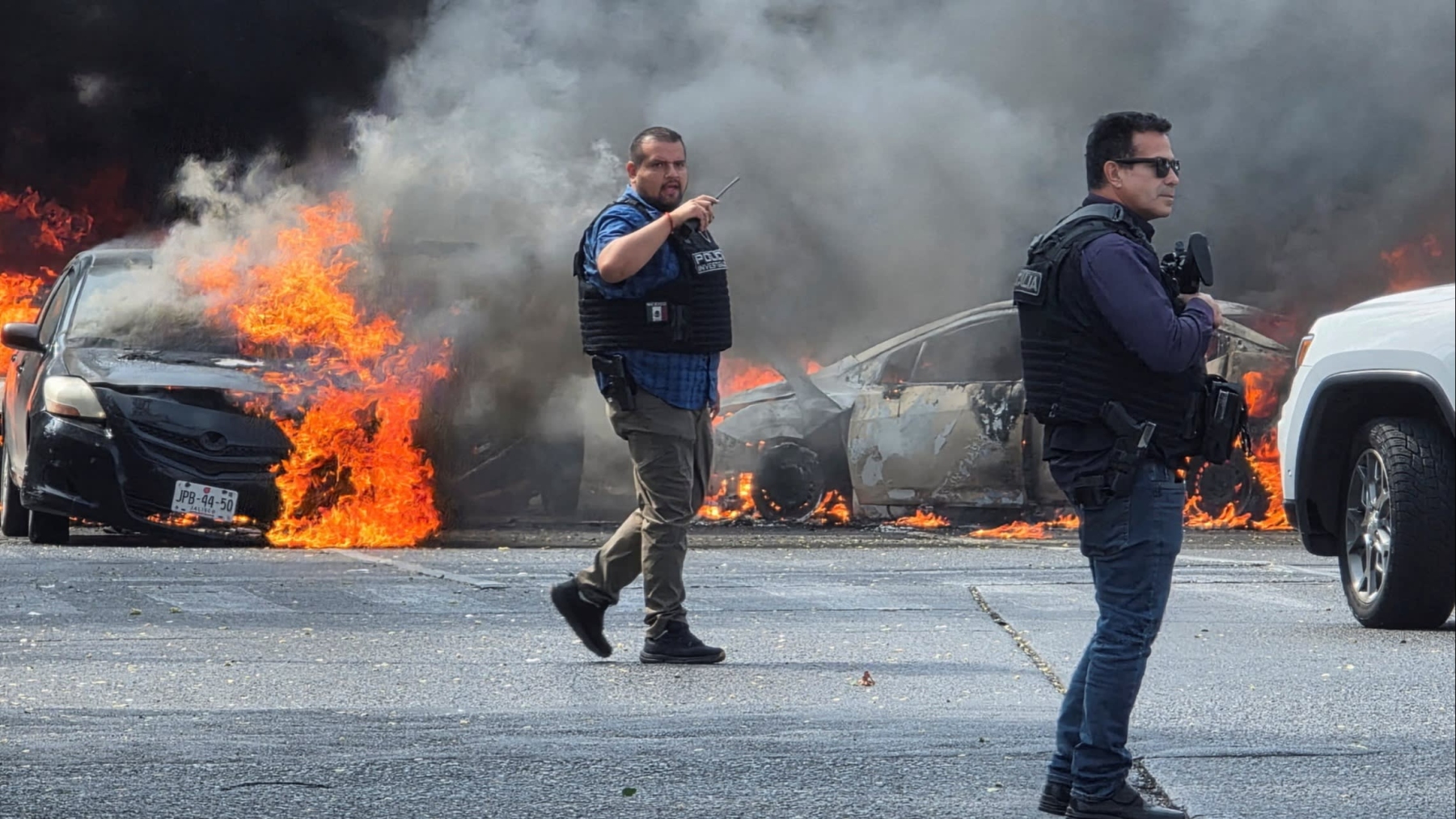
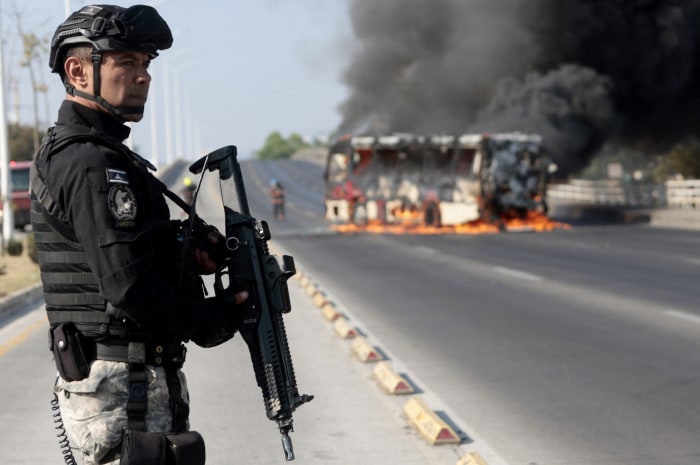
As word of the operation spread, cartel gunmen resorted to a common tactic: putting up blockades of burning cars and trucks.

The gang’s response extended to 20 of Mexico’s 32 states, where they put up 252 roadblocks, many of them on federal highways. Gunmen attacked military facilities in states as far as the Gulf state of Tamaulipas, a lawless underworld hub in the U.S.-Mexico border.
Gunmen also attacked convenience stores, state-run bank branches and gas stations. Airports were closed in several cities. In central Guanajuato state—a crucial Jalisco cartel territory for its vast fuel-smuggling rackets—local authorities ordered the closing of schools and universities on Monday.
All roadblocks were removed as of Monday, and calm was restored, Trevilla said. Mexican security forces detained more than 70 people. Air service to the beach resort town of Puerto Vallarta, which was hit hard by the roadblocks, will resume later in the day.
Trevilla said that longstanding cooperation with the U.S. Northern Command was crucial for the success of the operation.
“It’s a very important flow of information, and that’s how we arrived at this specific case,” he said.
Copyright ©2026 Dow Jones & Company, Inc. All Rights Reserved. 87990cbe856818d5eddac44c7b1cdeb8
Santiago Pérez is the Mexico bureau chief for The Wall Street Journal, based in Mexico City. He helps coordinate regional coverage and writes about security, trade, migration and economic trends shaping Mexico and Latin America.