
A top Cuban official says Washington wants to force foreign investors from the island to increase its dependence on the U.S.
A top Cuban official acknowledged that pressure from Washington has isolated the island, forcing foreign investors to leave the country, but warned the Trump administration against underestimating the Communist government’s resolve.
The Trump administration has misjudged Cuba’s ability to withstand pressure, said Deputy Prime Minister Oscar Pérez-Oliva.
“The U.S. government wants to take us into a forced economic dependency to the detriment of partners from other countries,” Pérez-Oliva said in an interview.
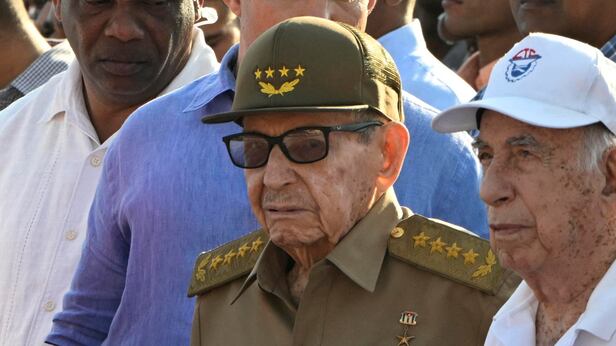
Starting in January, the U.S. imposed an oil blockade on Cuba and later implemented devastating sanctions against state-run companies. Ratcheting up the pressure, U.S. prosecutors in May indicted former President Raúl Castro on murder charges relating to the downing of two civilian aircraft in 1996.
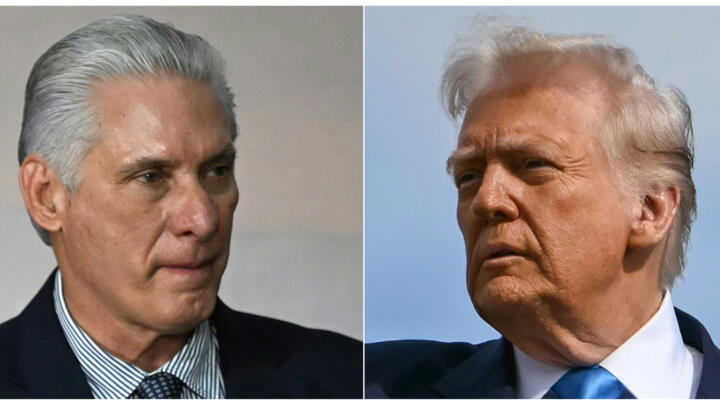
The U.S. has also sanctioned nearly 20 Cuban officials and Castro family members. President Trump has threatened to “free” Cuba, or in the best of cases, carry out a “friendly takeover” of the country.
Cuba is resisting U.S. pressure as it contends with its worst economic crisis in decades. In a surprise move last month, the communist government pushed through a package of 176 economic measures to attract foreign investment, increase the island’s small private sector and stave off economic collapse, as well as possible U.S. military action.
“The people who run the U.S. have always been wrong because they have underestimated our country,” said Pérez-Oliva.

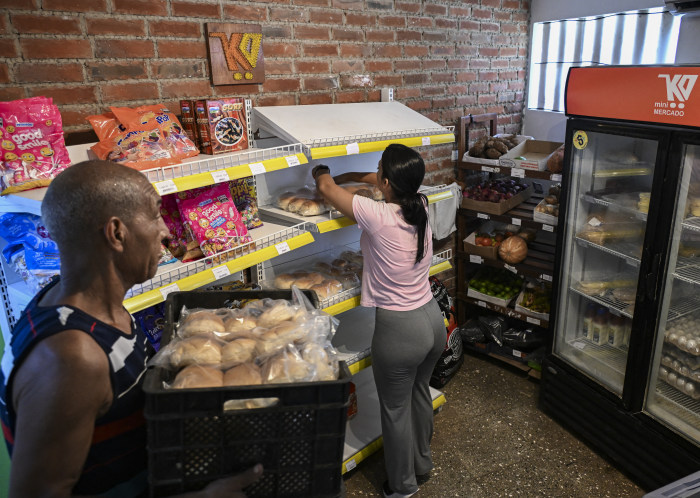
The overhaul eliminated restrictions that prevented businesses from having more than 100 employees on their payrolls. Entrepreneurs will also be allowed to run more than one business. Price controls will be lifted. The government will also allow private banks to operate in the country. State companies would be privatized or allowed to partner with private investors, including members of the Cuban diaspora, most of whom live in the U.S.
The measures have generally been greeted with a mix of skepticism and hope. Cuba has announced changes during past economic implosions, but failed to implement them or scaled them back when the economy improved.
Pérez-Oliva, a grandnephew of Raúl Castro and the late revolutionary leader Fidel Castro, said the country’s package of economic measures is for real, aiming to preserve the social gains of the revolution that brought Fidel Castro to power in 1959.
“This isn’t a smokescreen,” he said. “These are genuine, well thought-out transformations.”

Cuba will face enormous difficulties in implementing the measures, said Pavel Vidal, a Cuban economist at the Universidad Javeriana in Cali, Colombia. Privatizing companies could put lucrative state assets in the hands of well-connected apparatchiks, forming a new class of Cuban oligarchs as happened in Russia after the Soviet Union collapsed, he said.
Cuba’s constitution establishes the country’s socialist system as “irrevocable.” Pérez-Oliva said that the constitution won’t have to be changed to enact the measures, an important batch of which will be ready in 30 to 60 days.
But that’s a worrying sign, said Vidal. “It means the measures may not be permanent,” he said.
The U.S. dismissed the proposed measures last week as “modest, long overdue, and ultimately superficial smoke signals.” The Trump administration “would continue to pressure for much more substantial reforms that would make Cuba investible,” a State Department spokesperson said.
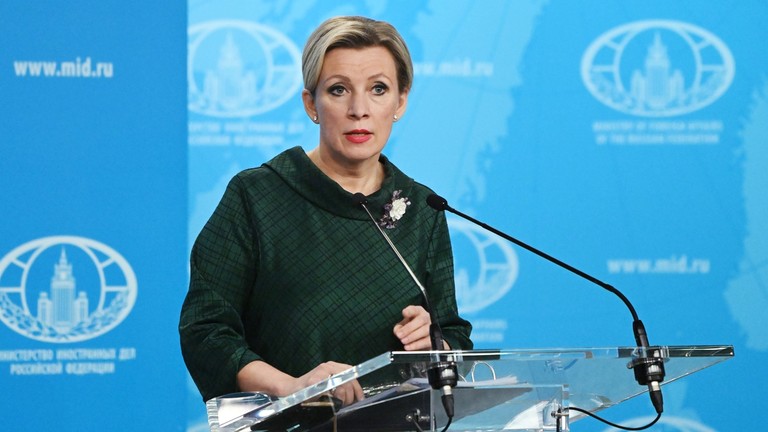
Cuban Foreign Minister Bruno Rodríguez said on Tuesday that discussions between the two countries haven’t advanced as the U.S. had continued to threaten Cuba and applied “coercive measures and offensive statements about our independence.”
The secret, high-level talks involve Washington’s demands that Cuba implement core economic and political changes in exchange for the Trump administration lifting its oil blockade and other sanctions.
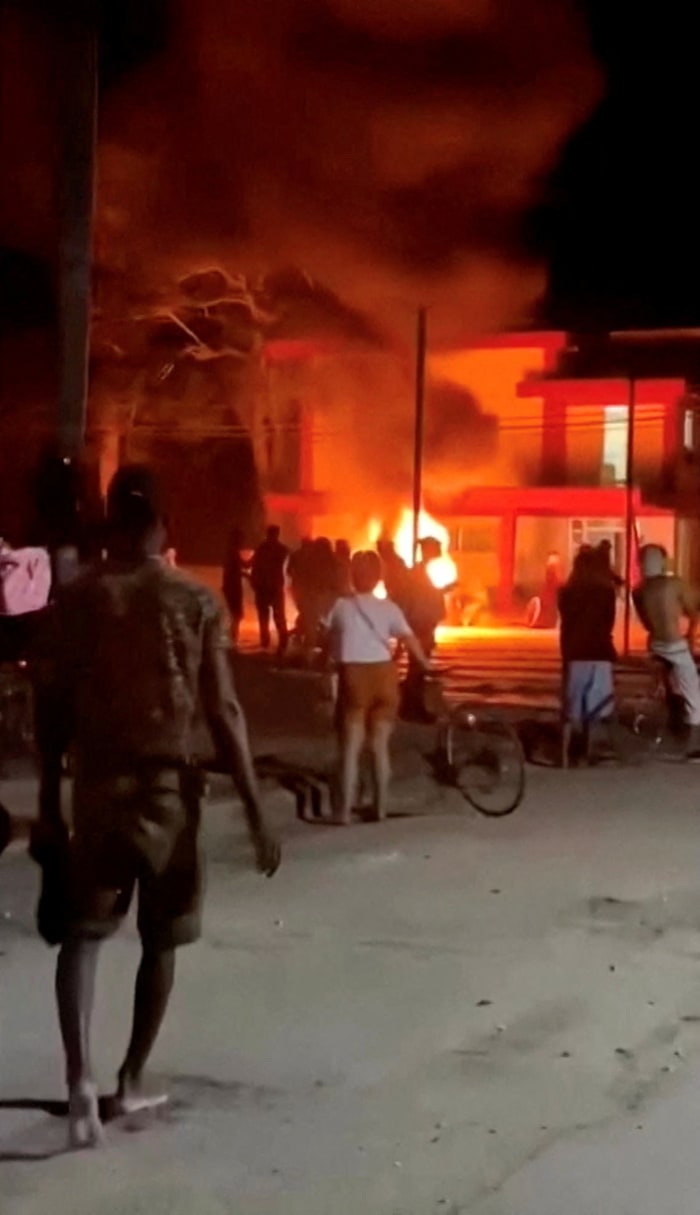
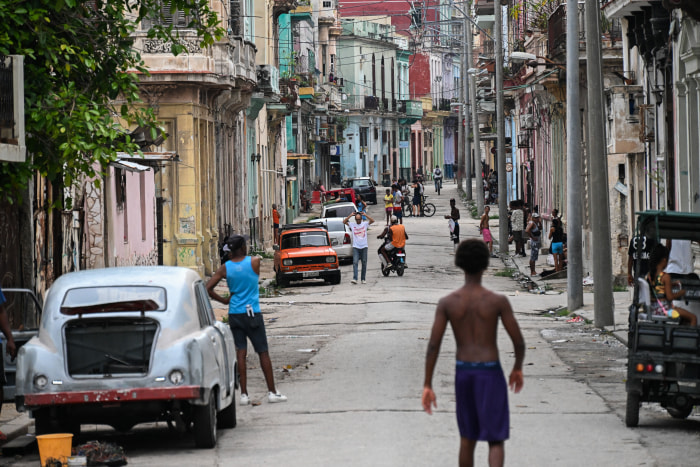
Due to the country’s energy crisis, the lights are often turned off for days at a time, even in the capital of Havana.

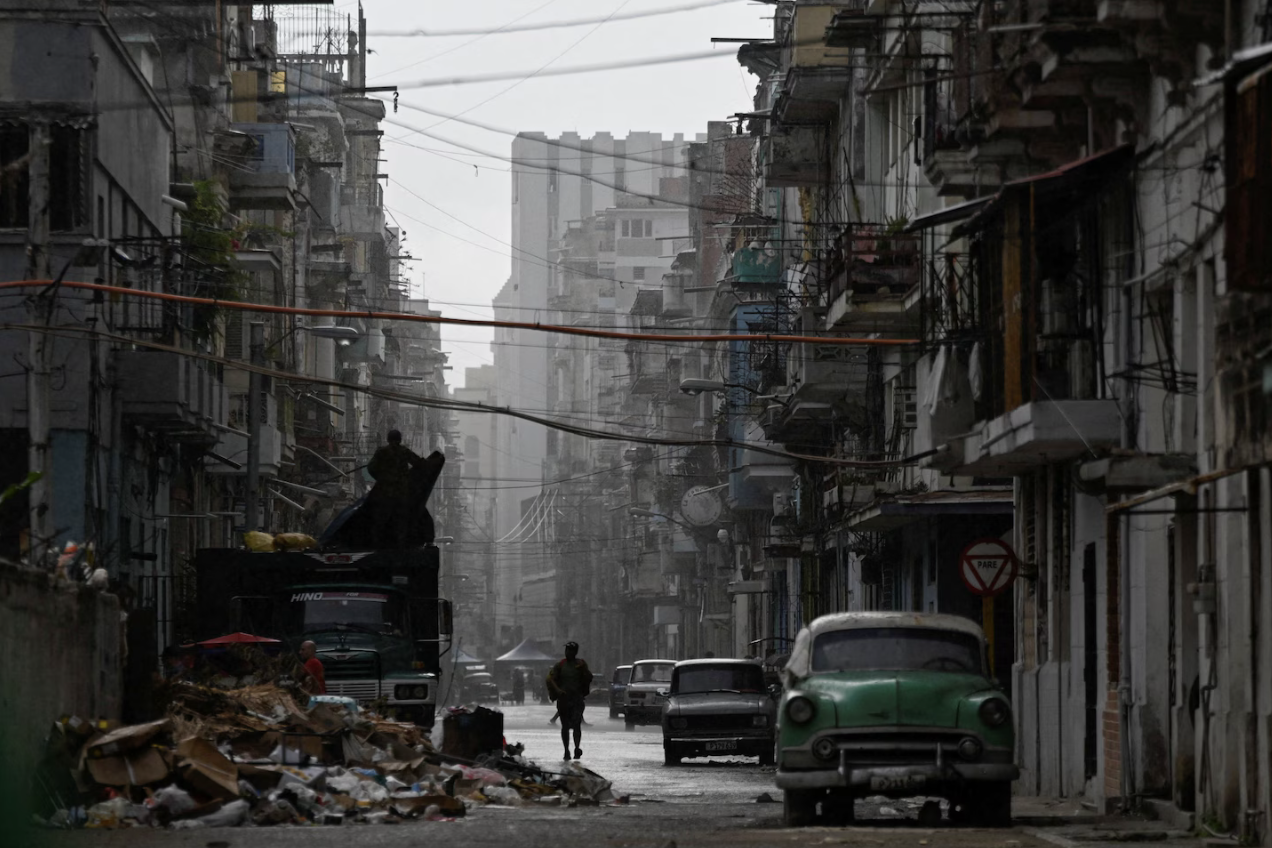
Lack of energy to power pumps means some three million Cubans don’t have running water. Mountains of festering trash blight the streets of the capital, as dump trucks don’t have fuel to pick up the waste. Hospitals, which only deal with emergency cases, haven’t been able to operate on more than 100,000 patients. The economy has largely come to a halt.
The tourism industry, a basic pillar of the economy, has been hard hit. Only a trickle of foreign visitors, many of them Cuban-Americans bringing supplies to family members, are coming to the island. The foreign operators of some of Cuba’s best known hotels are leaving.
Pérez-Oliva said Cuba is working out ways to find new partners to manage such hotels. The tourism sector is the area where the country is the most open to foreign investment, he said.
“This is an area where we think we can engage in a more active and direct manner with the Cuban community living abroad,” he said.
José de Córdoba is a reporter for The Wall Street Journal in Mexico City.