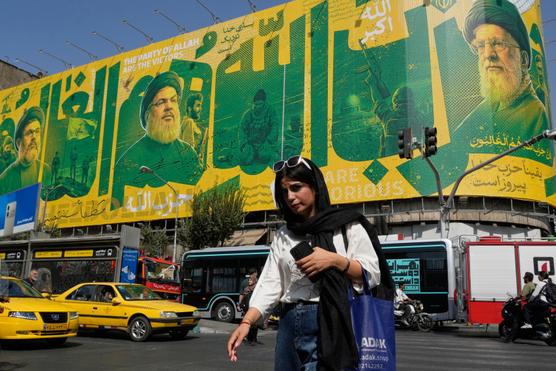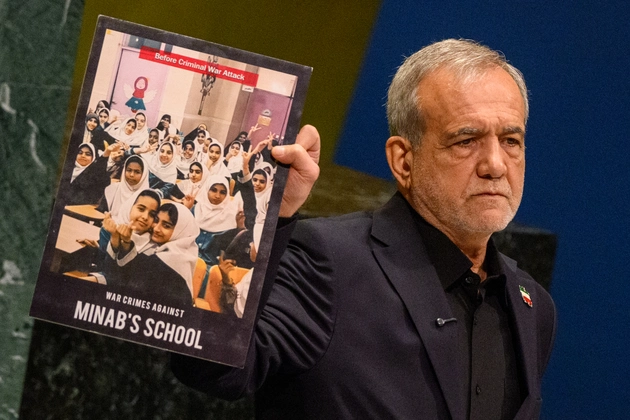

In a tumultuous resumption of violence, Iran had fired several volleys of attacks, while Israel targeted a major Iranian petrochemical facility.
By Dov Lieber, Anat Peled
TEL AVIV—Iran and Israel ended multiple exchanges of fire Monday but left open the possibility of resuming attacks that pressured President Trump’s fragile Middle East ceasefire.
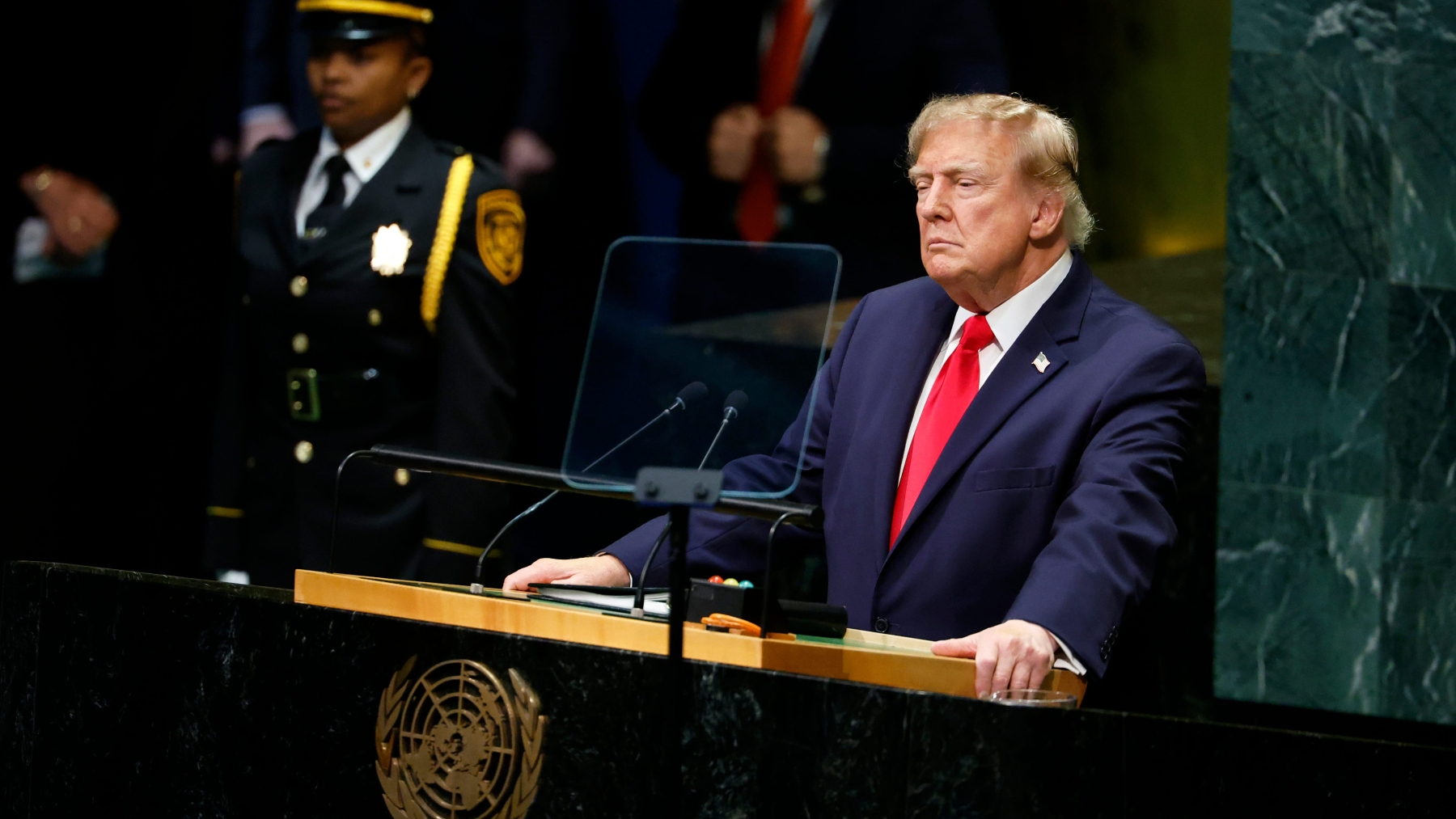
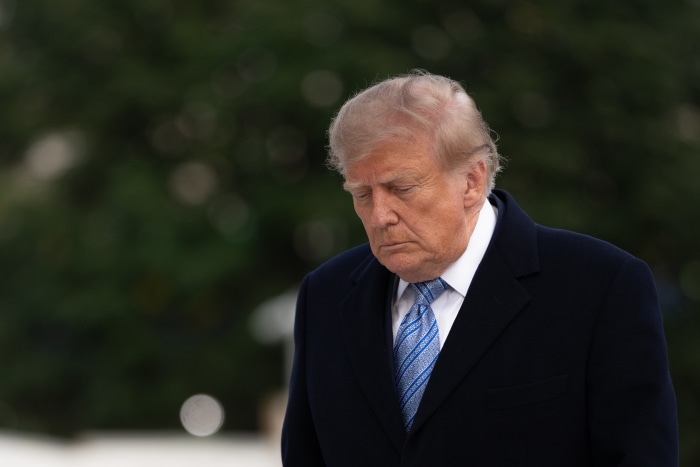
Trump had intervened in the violent, hourslong back-and-forth, saying Israel and Iran must immediately stop “shooting” and declaring that both countries wanted an immediate ceasefire.
Shortly afterward, Iran’s military headquarters said it was ending operations by its armed forces against Israel, having “delivered a painful response” to that country.
“Should aggression and hostile actions continue—including in southern Lebanon—far more severe and forceful measures than before will follow,” it said, according to Iranian state media.
Israel also ended its attacks on Iran but would continue to strike in southern Lebanon, a person familiar with the matter said. Israel’s military said it operates according to the directives of the political leadership. “We will not comment on future plans,” it said.
In an early test of Iran’s pledge, Israel carried out an airstrike in southern Lebanon, according to an Israeli military official and Lebanese state media. Hezbollah fired three rockets at Israeli troops in southern Lebanon afterward, some of which were intercepted on their way toward Israeli territory, Israel’s military said.
The attacks and counterattacks, which began over the weekend and spilled into Monday, marked the first time Iran and Israel have targeted each other since a ceasefire brokered by the U.S. went into force in early April. They began with an Israeli strike on Beirut amid renewed fighting with the Iran-backed Lebanese militia Hezbollah and threatened to escalate a conflict that has been largely contained since then, despite a series of lower-intensity skirmishes.
Israel’s targets included a major Iranian petrochemical facility. The Islamic Revolutionary Guard Corps, which is responsible for protecting Iran’s regime, called it a dangerous move and threatened to put energy facilities across the region at risk.
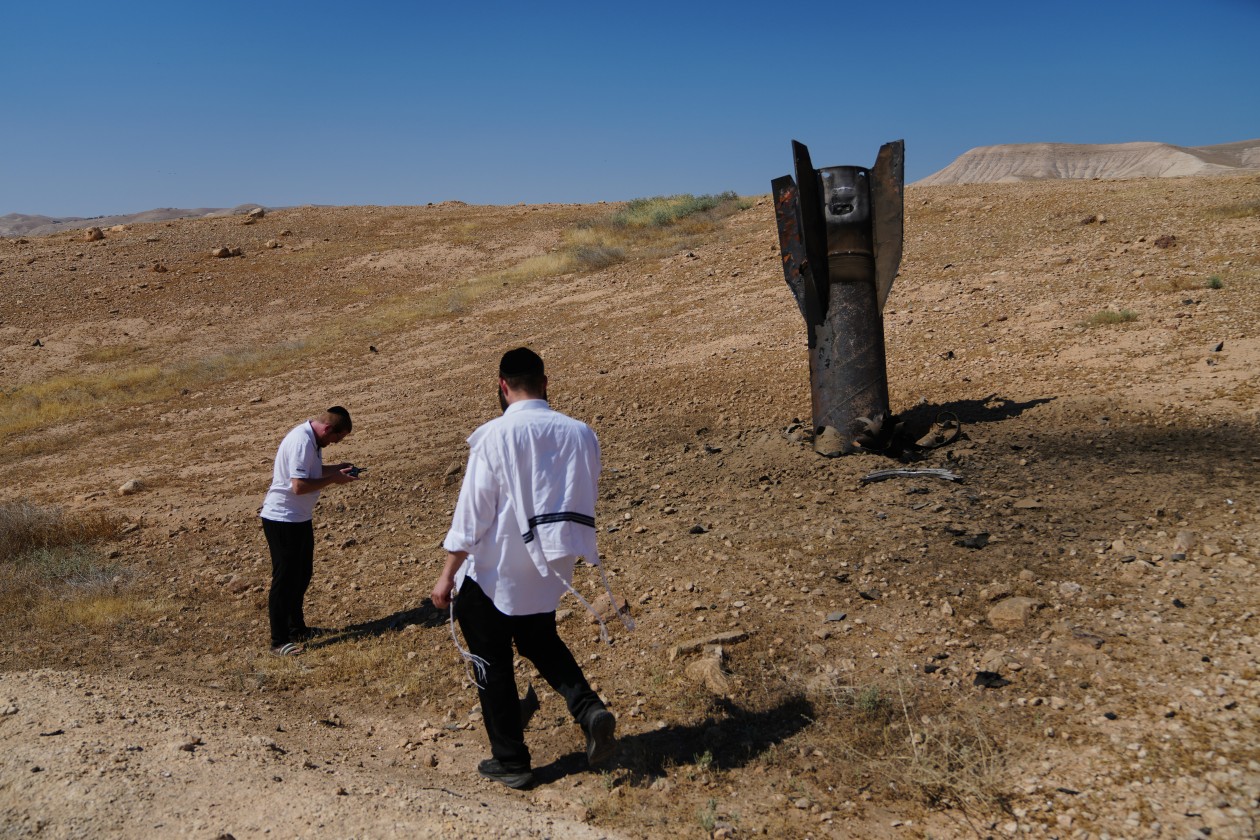
Iran fired missiles at Israel in several waves of attacks that the Israeli military said included close to 30 ballistic missiles. A senior U.S. official said that U.S. forces helped intercept the missiles. Alerts went off in Tel Aviv and explosions from missile intercepts could be heard over the city, after Israel followed through on a promise to counterattack despite initial warnings to hold off from Trump.
The president has been increasingly at odds with Israeli Prime Minister Benjamin Netanyahu over the prosecution of the war. The Israeli leader came under pressure from his political allies and the Israeli opposition parties to respond to the Iranian missile barrage.