Less than a year after Mark Walter paid $10 billion for the team, he flipped it like a piece of real estate. But if there is a bubble for pro sports team ownership, it hasn’t shown any signs of popping yet.
By Hank Tucker
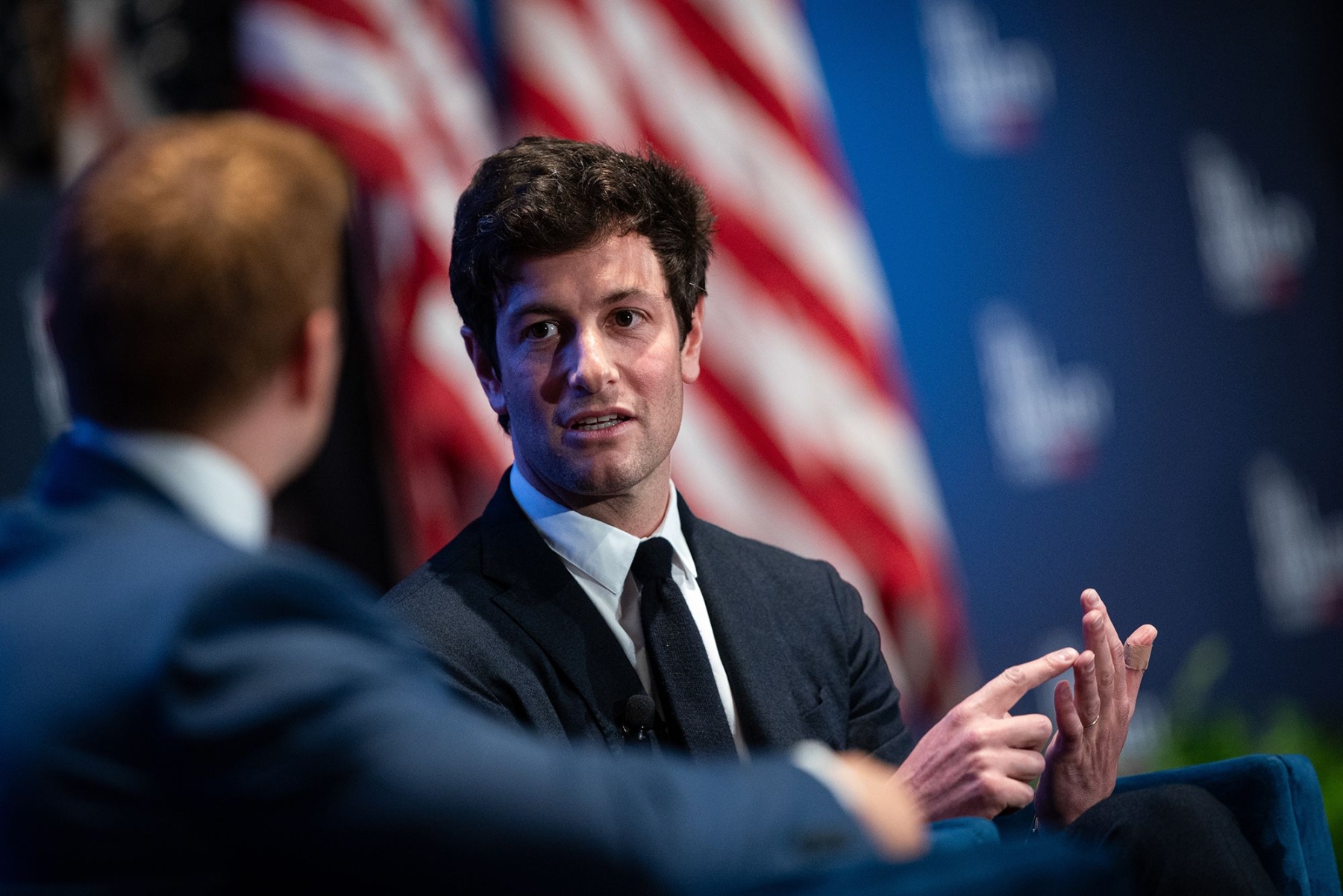
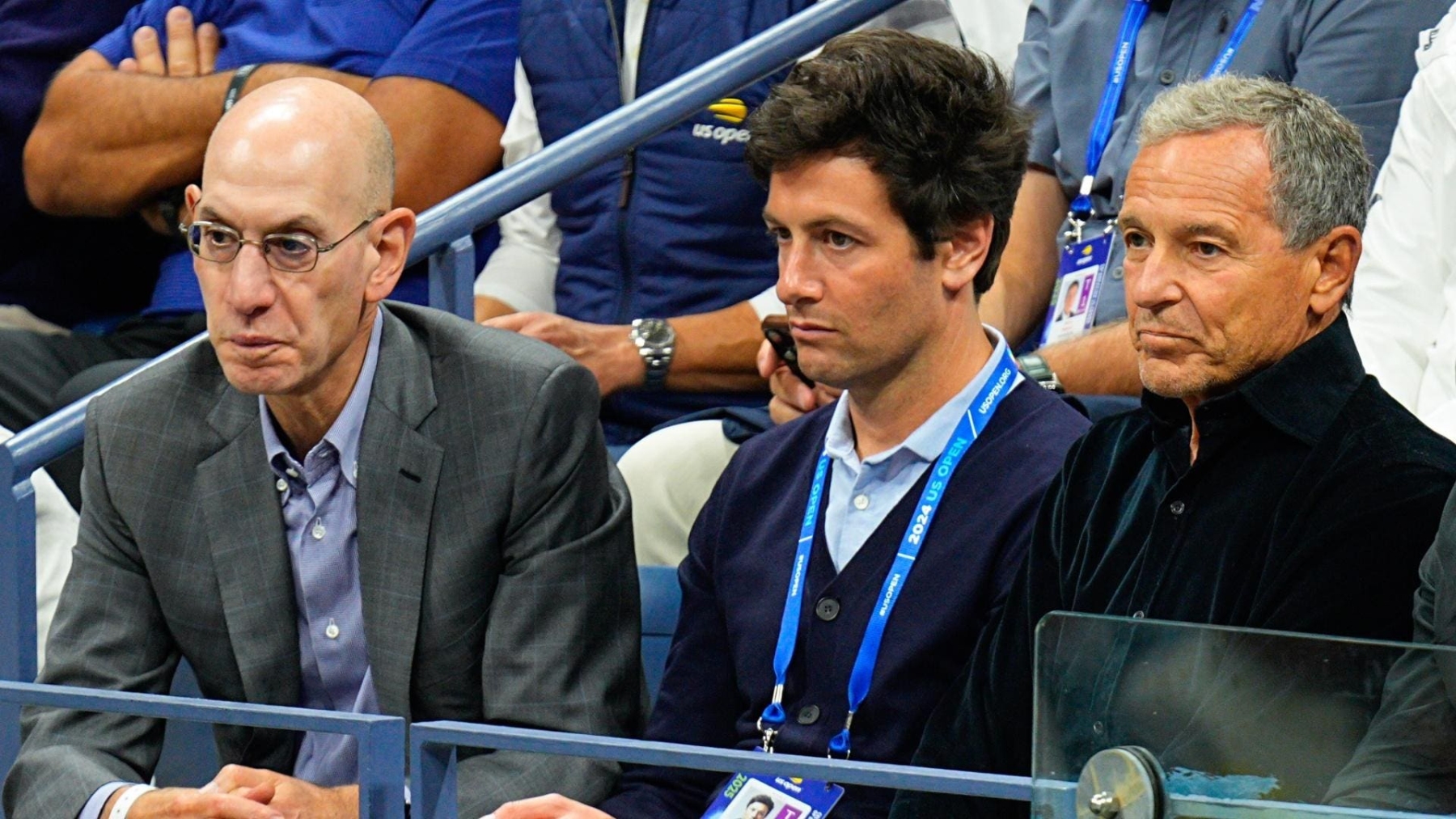
The news that billionaire venture capitalist Josh Kushner and former Disney CEO Bob Iger are buying a controlling stake in the Los Angeles Lakers at a record-breaking $12.5 billion valuation, first reported by ESPN on Wednesday morning, came as a shock in more ways than one.
The deal breaks Walter’s own record for the purchase price of a professional sports team, less than a year after his $10 billion deal to take a control interest in the Lakers from the Buss family—who sold the team after 46 years—closed in October, and it once again resets the rest of the market for the rest of the NBA. This year has also included record-breaking team sale agreements in the NFL and MLB. Venture capitalist Vinod Khosla led an investor group that agreed to buy the Seattle Seahawks for $9.6 billion in August, and private equity manager José E. Feliciano’s family reached a deal in May to buy the San Diego Padres for $3.9 billion.
The decades-long surge in sports team values hasn’t been a linear trajectory—before Walter’s $10 billion splurge for the Lakers last year, the highest prices ever paid for control stakes in sports teams were Bill Chisholm’s $6.1 billion acquisition of the Boston Celtics last year and Josh Harris’ $6.05 billion deal for the Washington Commanders in 2024. Sports teams are generally valued as a multiple of the revenue they generate, and when one person is willing to pay a much higher premium than the prior consensus, it often raises valuations across the entire league.

In 2000, for example, the average team value in the NBA was $207 million, or 2.6 times the average estimated revenue from the previous season, according to Forbes data. By 2013, that average value had soared to $634 million after years of steady revenue growth, but the typical multiple was still only 4.2 times revenue. That was before Los Angeles’ other NBA team presented a shock to the system, arguably more than any sale that has come since, when Clippers owner Donald Sterling, amid a scandal in which he was caught making racist remarks, was forced to sell the team and Steve Ballmer paid what was thought to be an exorbitant $2 billion price in August 2014. That premium lifted the average NBA team value by 74% in a single year, from $634 million to $1.1 billion. Ballmer’s investment has done just fine for him, with the Clippers valued at $7.5 billion in October.
But the sky apparently has no limit. Last year’s average multiple for NBA teams was 12.9 times the trailing season’s revenues, and the $10 billion Walter paid for the Lakers was 18 times the team’s estimated $551 million in revenue in 2024-25. Yet the 66-year-old Walter, CEO of TWG Global, still managed to get a 25% return on that investment in one year, much higher than the league’s typical annual revenue growth rate, signaling an even higher multiple for this transaction.
The exponential step-function nature of team valuations has handsomely rewarded long-term team owners, but until this week, it was unprecedented for a sports team to be flipped like a piece of real estate. Before Walter’s 10-month tenure as a control owner—assuming the sale to Kushner and Iger is approved by the league—no other owner who has bought an NBA team since 2000 held it for less than five years, and the Lakers are now the only team to change hands multiple times in the last 15 years.
In July, Bloomberg reported that Walter, who also owns MLB’s Los Angeles Dodgers, the Professional Women’s Hockey League and a stake in the English Premier League’s Chelsea, is being investigated over a failure to disclose loans from two insurance companies owned by TWG Global to other entities he controls, unrelated to his role as CEO of Guggenheim Partners and his sports investments. After the Lakers sale was announced Wednesday, Bloomberg reported that Walter is in talks with investors to raise money to pay down those loans.
TWG Global told Bloomberg last month that it was aware of and cooperating with the investigation. Spokespeople for Walter via Guggenheim and TWG Global did not respond to requests for comment from Forbes. In a statement to ESPN on Wednesday morning, Walter said, “Owning the Los Angeles Lakers has been one of the great honors of my life—an extraordinary investment, but what I will carry with me is the community, the fans and a city that treats this team as family.”

Iger told the California Post that the opportunity to purchase the team first came to his and Kushner’s attention over the weekend and that the duo quickly pivoted from their interest in owning a potential NBA expansion team in Las Vegas. “We immediately decided that given the value of the franchise and the iconic nature of the team, we would be really smart to pursue it. The deal came together in three days,” Iger said.
Walter remains the controlling owner of the Dodgers, a franchise he bought in 2012 for $2.15 billion with an investment group that included then-Guggenheim partner Todd Boehly—at the time also an all-time high for a baseball team. The reigning back-to-back World Series champions have since grown in value to $7.8 billion, but Walter has shown no indication that he is seeking offers for team, although there are surely potential buyers more curious now about whether he would be open to another record-setting offer.