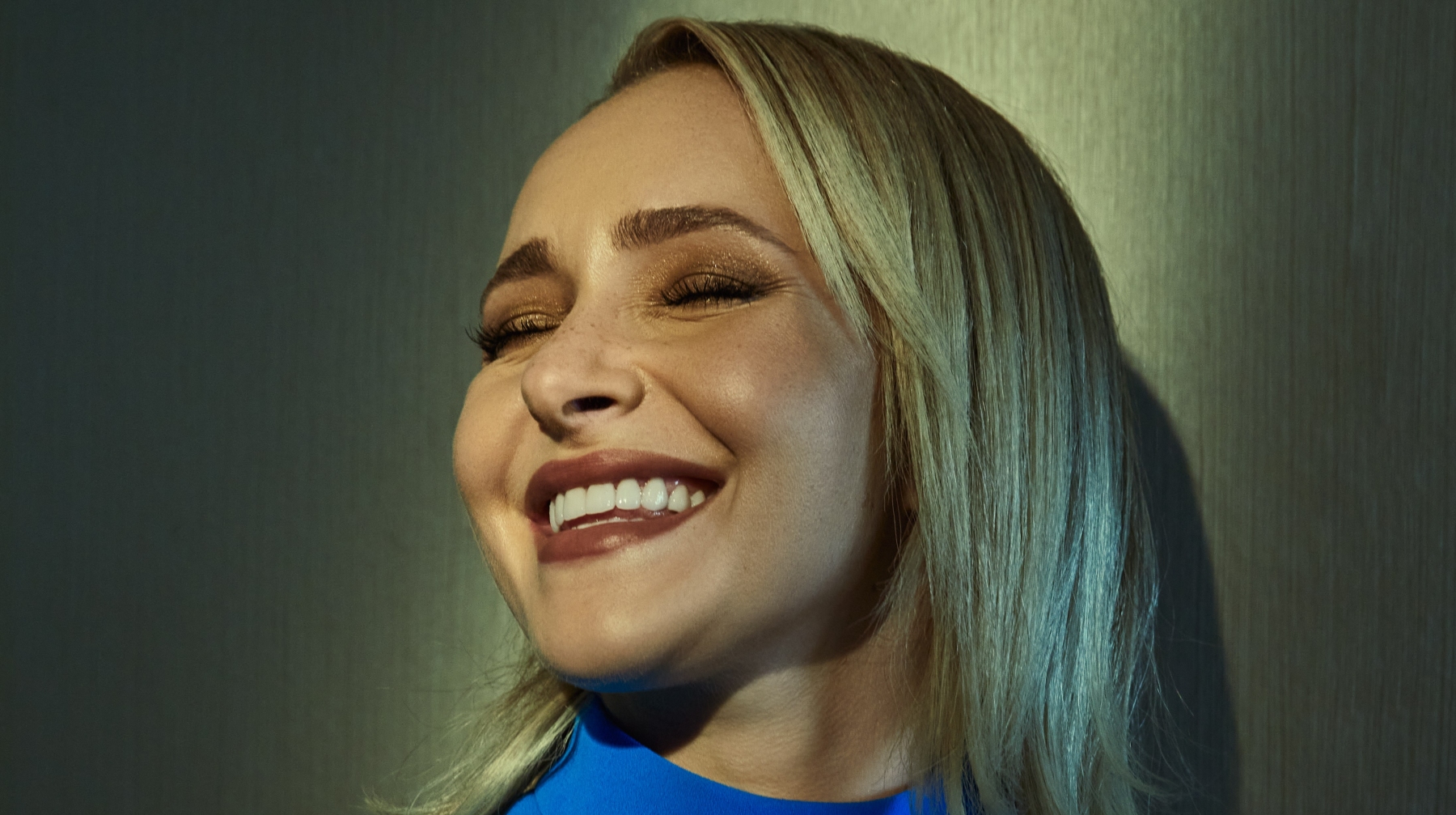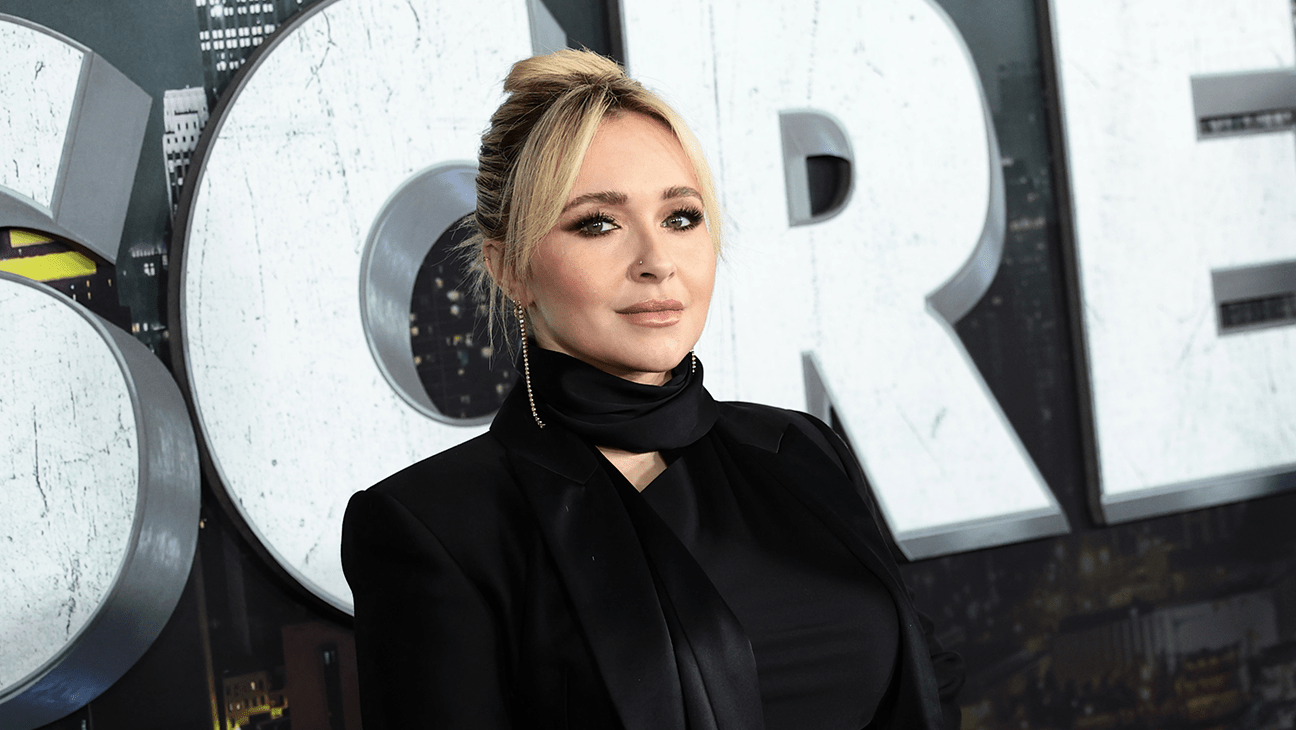

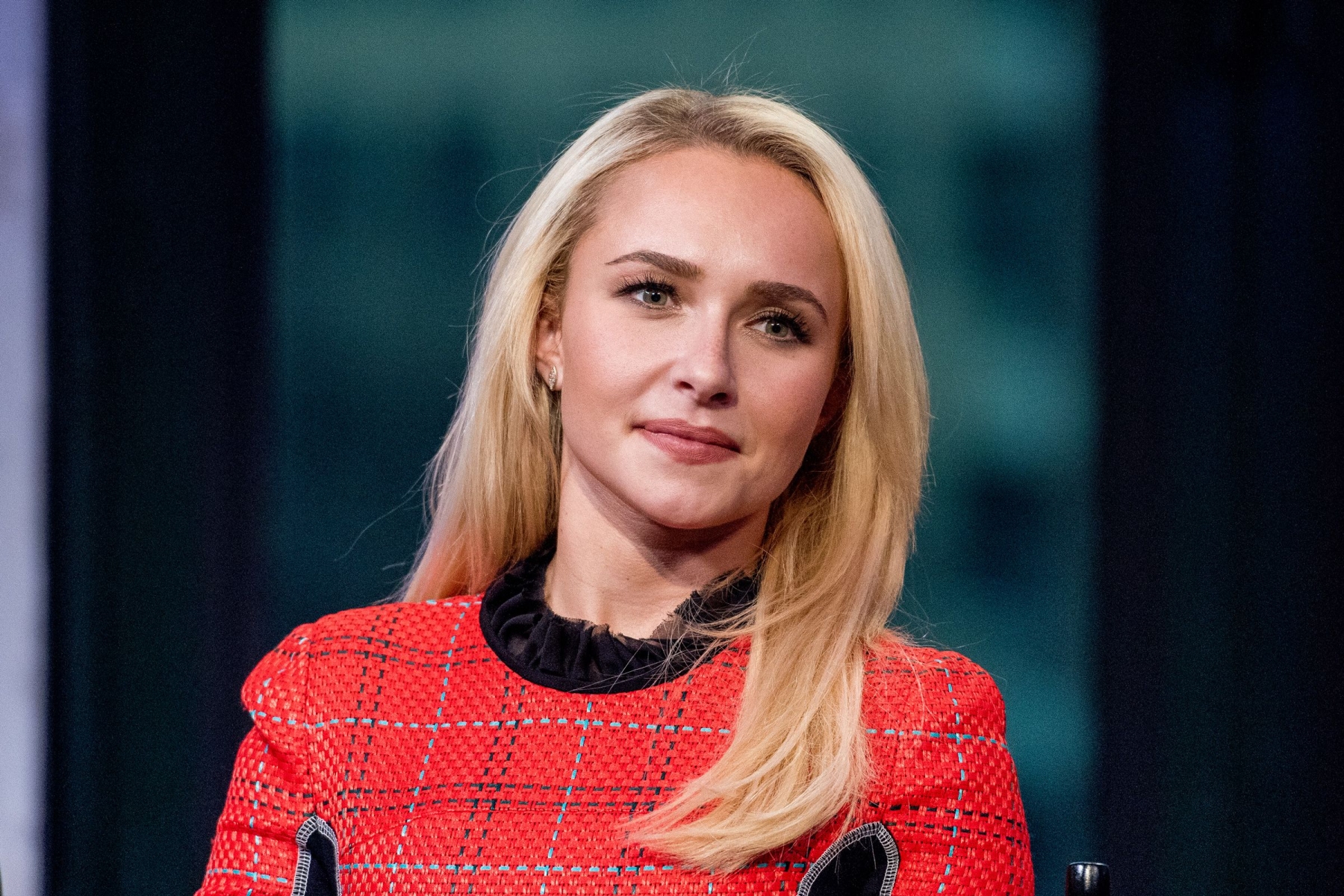
Hayden Panettiere never knew life out of the spotlight. From her first gig as an infant in a Playskool toy train commercial, she took a path walked by many child stars before her, culminating in tragedy this week when the actress died at age 36, an ending that is no less tragic because it feels eerily familiar.
Panettiere began acting when she was 8 months old and never stopped, according to her memoir “This Is Me: A Reckoning,” published just three months before her death. At an early age, she wrote, she “lost the chance to have a ‘normal’ childhood,” which included having friends, relationships and privacy. But instead of fighting it, she wrote, “I leaned into the talent I was somehow blessed with.”
She went on to helm hit shows like “Heroes” and “Nashville” and appear in several teen films, including the beloved horror franchise “Scream,” battling many personal struggles along the way, according to her own detailed accounts. Despite her openness about those trials, many still wonder, in the aftermath of her death, how yet another gifted actor who grew up in the limelight could have their story cut so short.
A childhood spent performing
Panettiere’s mother Lesley Vogel, a former soap opera actress, drove her daughter’s career from the start – which found the younger Panettiere modeling as a baby, auditioning almost as soon as she could walk. Her father, retired firefighter Alan “Skip” Panettiere, stood back from it.
At 5, Panettiere starred on the hit soap opera “One Life to Live,” followed four years later with a popular role on “Guiding Light.” She later said the extreme plot lines — she played a child who got kidnapped, killed another character and survived leukemia – were not “good for my developing brain.”
“Subconsciously, I began to associate catastrophe with adoration,” she wrote in her book. “People loved me when make-believe bad things happened to me.”

Real-life bad things were happening, too: Her parents separated when she was 18 and her mother doubled as her manager, blurring the line between family and business past recognition.
“Everything was business,” Panettiere said earlier this year on Jay Shetty’s “On Purpose” podcast. “I became the confidant and the assistant and the therapist and the shoulder to cry on — and everything but her child.”
Asked by Shetty if she and her mother still talk, Panettiere said no. “There is not a relationship between her and I, sadly.”
From child actor to megastar
Panettiere landed a breakout role at 17 on “Heroes,” a network television show about ordinary people who have extraordinary superpowers. She played an invincible cheerleader named Claire Bennett, a central character on the NBC drama, which had the tagline, “Save the cheerleader, save the world.”
Many viewers praised the former child star as the beating heart of the series, and it was critically acclaimed. With that newfound success came heightened tabloid scrutiny, with everything from Panettiere’s looks and love life in the crosshairs.
As indestructible as she was as Claire in “Heroes,” off set, Panettiere was quite fragile from the pressure.

In 2022, the actress told People that when she was 15, someone on her team at the time began offering her “happy pills” before red carpets – “to make me peppy during interviews,” she said. “I had no idea what door that would open for me when it came to my addiction.”
“As I got older, the drugs and alcohol became something I almost couldn’t live without,” she said at the time.
Motherhood didn’t save her from it.
While she said she stayed sober during her pregnancy with her daughter Kaya, born in 2014, an experience with postpartum depression pulled her back under. (“Nashville” – the soapy primetime drama in which she played a rising, troubled country singer – had storylines about alcoholism and postpartum depression, which didn’t help, she said.) Soon, her relationship with her daughter’s father, boxer Wladimir Klitschko, became collateral damage to her struggles.
“He didn’t want to be around me. I didn’t want to be around me,” she told the publication. “I was doing anything to make me feel happy for a moment. Then I’d feel worse than I did before. I was in a cycle of self-destruction.”
In 2018, Panettiere sent her daughter to live with Klitschko in Ukraine, a decision she called “the hardest thing I ever had to do.” “But I wanted to be a good mom to her – and sometimes that means letting them go,” she said.

On Tuesday, Klitschko wrote in a statement posted to X that the family was “going through a time of profound shock and grief” in light of Panettiere’s death. “She built an incredible career through immense talent, while also facing the darker sides of a very demanding industry,” the statement said.
“Young and talented people like Hayden should not leave this world so soon,” it added.
An open ‘door’
During her recent book tour, Panettiere spoke of her life as on the mend.
“I finally feel like I have shaken off all of this darkness and negativity,” she told Shetty. “That means I’ve closed one door, and another door is opened, and I can feel it open. I can feel all the possibilities. I feel like I have a lot more life to live.”
On Sunday, emergency personnel responded to a 911 call about a “reported cardiac arrest” at a residence in South Carolina, according to a release from the Greenville County Coroner’s Office. Panettiere was pronounced dead about a half hour after the call.
The news landed with a grim familiarity in light of the deaths of millennial former child stars Daveigh Chase, the 35-year-old who starred in “The Ring,” and “Buffy the Vampire Slayer’s” Michelle Trachtenberg, 39, who once costarred with Panettiere in the 2005 Disney film “Ice Princess” and died last year.
While details surrounding the tragedies vary, the circumstances matter far less than the fact that sometimes “gone too soon” doesn’t feel like it covers it.