
As Donald Trump has made clear his intention to place Venezuelan oil production under US control, experts have condemned the opacity surrounding the management of revenues from the industry. Civil society groups have also denounced the lack of economic benefits for oil and gas-producing regions.
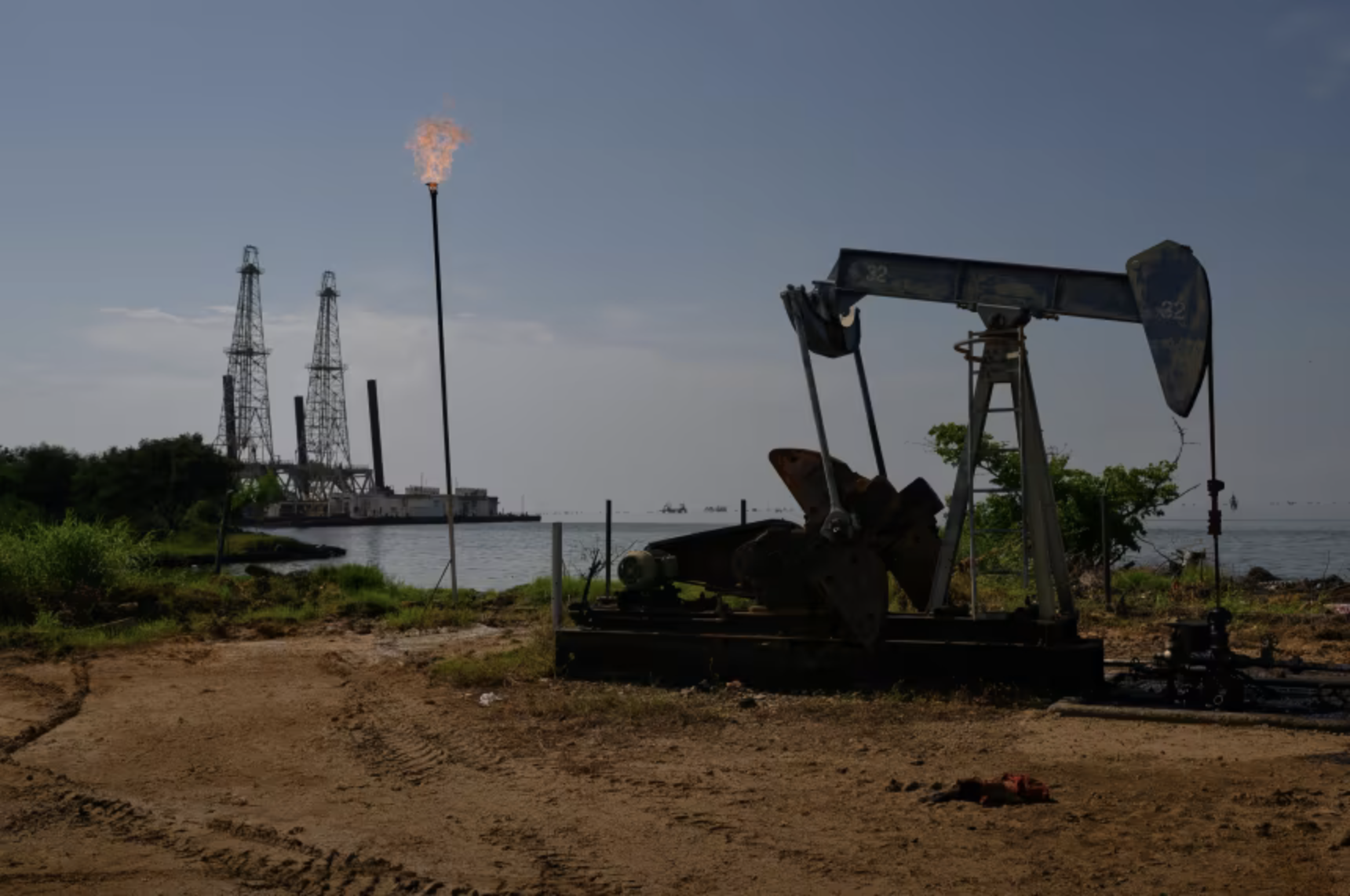
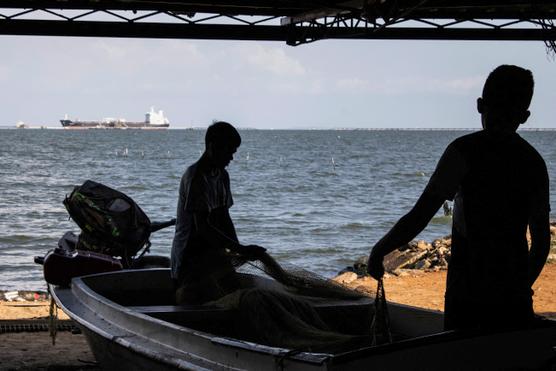
"It's not biting much these days; there's too much pollution," grumbled José Alirio Briceño, 72. Like almost every weekend, the retired teacher was fishing for crabs and fish in Cabimas, a town on the shores of Lake Maracaibo in oil-producing northwestern Venezuela, to supplement his meals. His catch on this hot July morning was meager: three brownish-scaled freshwater perch and two palometas, silvery jacks.
The view was far from idyllic. Here and there, across this vast brackish lagoon (23 times the size of Lake Geneva), imposing and often dilapidated metal structures rose from waters tinted a surreal, almost fluorescent green by verdin, a proliferation of cyanobacteria caused by untreated wastewater discharges. Just as alarming were the shores and rocks at the water's edge, where large pieces of abandoned machinery jutted out, coated in a thick layer of black, viscous matter, mixed with plant debris and plastic waste. These were all scars left by extractions in Lake Maracaibo, which began a century ago after oil was discovered in 1914 at Mene Grande, not far from Cabimas. "It's hard to clean all this up, because there are constant oil spills: You clean today, and tomorrow, it's polluted again," said Alirio Briceño.
You have 89.88% of this article left to read. The rest is for subscribers only.