

TOPLINE
The Trump administration has pressed Russia for failing to disclose more details around a possible plague death that took place in Siberia recently, according to The Wall Street Journal, increasing tension with Moscow as Trump has said the U.S. would offer help for the situation.
By Siladitya Ray,Antonio Pequeño IV and Mary Whitfill Roeloffs
KEY FACTS
The U.S. government told Russia in a diplomatic communication reviewed by the Journal that its lack of detail around the incident that has left almost 200 people quarantined violates its international health obligations.
A State Department spokesperson confirmed to the Journal it formally requested additional information from Russia’s government.
Secretary of State Marco Rubio told reporters Tuesday the information from Russia was “still quite limited” and urged the country to practice transparency, adding, “Maybe there’s nothing there. Maybe it’s bigger than we thought. We don’t know.”
President Donald Trump told reporters at the White House on Monday, “everybody who has that kind of a problem, we’ll always help,” when asked about the researcher’s death, but said he hadn’t yet spoken to Russian officials about the case and it’s unclear exactly how the U.S. would help the situation.
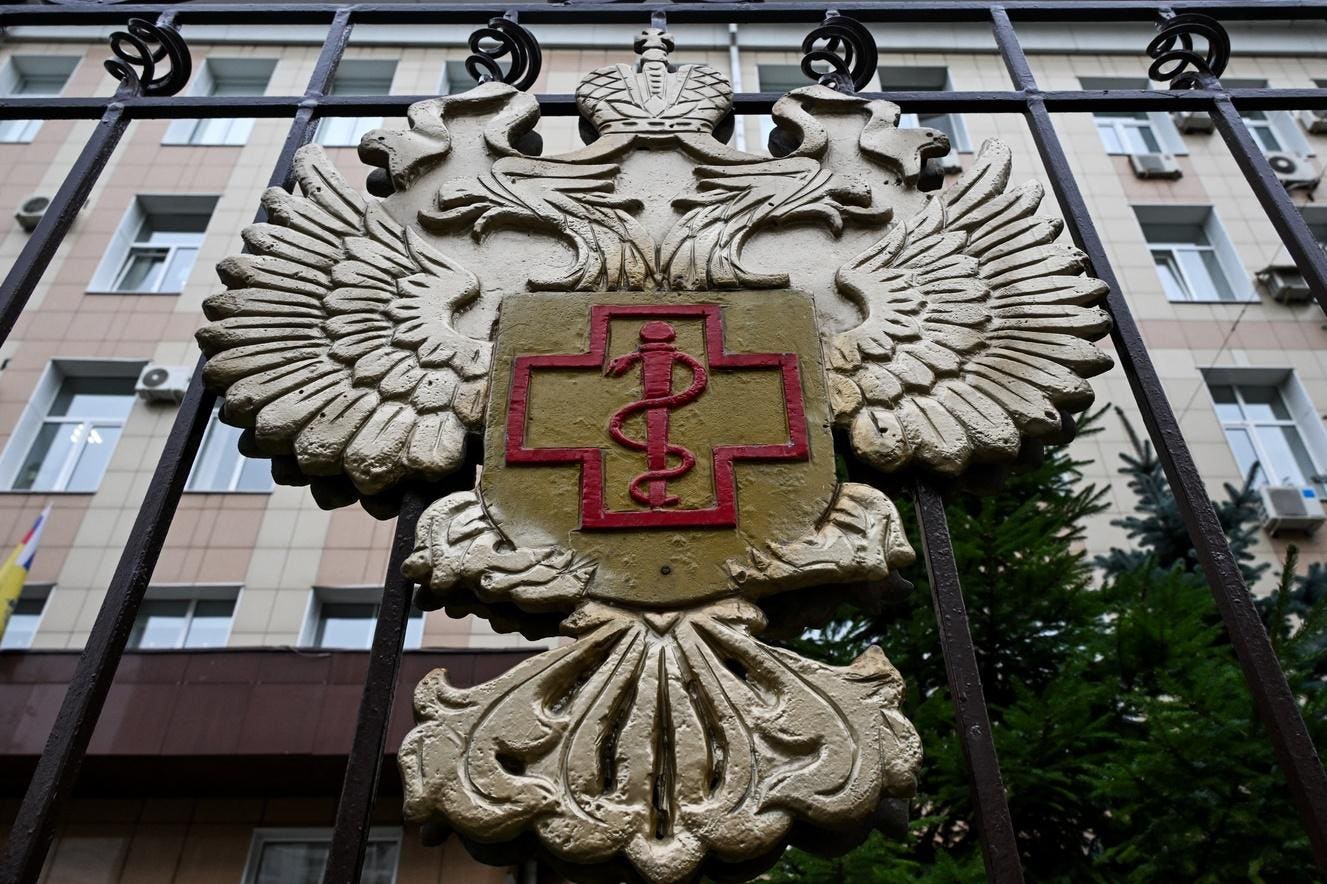
Russia’s national public health agency, Rospotrebnadzor, is investigating the death of a 28-year-old woman who worked as a lab technician at the Irkutsk Anti-Plague Research Institute of Siberia and the Far East and died on Oct. 2 from “pneumonia of unknown etiology.”
Her death prompted authorities to place nearly 200 people under observation at a hospital and researchers are conducting lab tests to better trace the cause of her pneumonia, which some fear could be a case of the highly fatal pneumonic plague.
Russian health officials told the World Health Organization on Tuesday that no cases of plague have been recorded in Irkutsk, and Igor Kobzev, the governor of Irkutsk, said the public health agency has implemented a “comprehensive set of anti-epidemic measures.”
“I hate to see them having it,” Trump said. “It’s a rough disease.”
The source of the researcher’s “pneumonia of unknown etiology” remains unclear, and it’s also unknown whether or not she contracted any form of the plague or whether an incident occurred in the lab. Liudi Baikala reported that the woman accidentally broke a test tube containing the plague pathogen at the lab, although this has not been confirmed by Russian authorities.
WHO spokesperson Christian Lindmeier told the Russian state-run TASS news agencythat its officials were in contact with: “Russian health authorities to verify the event, its circumstances, the laboratory tests underway, and their results, the rationale for contact-tracing and the health status of contacts, as well as any potential international public health implication.” In a follow up statement, however, Lindmeier added that based on “unofficial information… the public health risk to the general population appears to be low.” The spokesperson noted that all of the deceased patient’s contacts have: “reportedly been identified and are being monitored for illness, and none to date have shown symptoms of illness.”
In a statement issued late Sunday, Rospotrebnadzor said the “sanitary and epidemiological situation” in Irkutsk and Shelekhov was “stable.” The agency said it conducted extensive testing and found no pathogens linked to the deceased patient’s laboratory work in her sample. The statement didn’t, however, specify if her pneumonia and death were caused by any other disease or how she may have contracted the illness. The statement, reported by state media agencies, added that no new cases of infectious disease have been reported among the plague institute’s employees in the past 10 days, and the institute also didn’t find any “emergency situations involving pathogenic microorganisms.” Testing of a deceased patient’s contacts revealed two cases of COVID-19 and two cases of rhinovirus infection, although it’s unclear if either were linked to the patient’s death.
Avani Prabhakar, chief people and AI enablement officer at Atlassian, shares why leaders still struggle to capture AI's ROI and how companies can start driving impact.
WHAT IS THE PNEUMONIC PLAGUE?
According to the World Health Organization, which Trump withdrew the U.S. from this year, plague is a disease caused by the zoonotic bacterium Yersinia pestis, which is usually found in small mammals like rodents and in their fleas. The Bubonic plague is the most common form of plague, and it is transmitted from animals to humans through the bite of infected fleas. It can cause painful inflammation of the lymph node, called “buboes.” The less common pneumonic plague is far more virulent and can be transmitted through respiratory particles to other people; it can be highly fatal if not detected and treated early.
The State Department told ABC News on Monday it was “aware of reports of a fatal case of suspected pneumonic plague in Irkutsk Oblast, Russia,” adding, “We are monitoring the situation closely with the CDC and our other interagency partners.”
Nearly 200 People Under Observation After Irkutsk Lab Worker Dies From Plague (The Moscow Times)