
By announcing the deployment of soldiers, radars, and defense systems to protect Saudi Arabia's energy infrastructure, which has been targeted by the pro-Iranian Houthi forces from Yemen, President Macron is taking a geopolitical shift at a time when Riyadh is seeking to diversify its partnerships.
By Fanny Arlandis and Elise Vincent
France's defense cooperation with Saudi Arabia had long been discreet, ambiguous and marked by extreme caution when it came to defining it. But on Thursday, September 24, President Emmanuel Macron announced the deployment of "military means" to Saudi Arabia to protect the Yanbu oil terminal, the endpoint of the East-West pipeline and the main export route for crude oil without passing through the Strait of Hormuz. The announcement marks a geopolitical shift, even though questions remain about the scale of this military commitment.
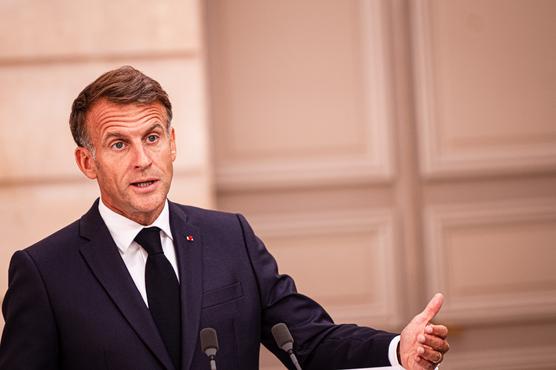
Faced with an intensifying wave of drone and missile attacks targeting Saudi Arabia, mainly from Iran and Yemen, and the resulting surge in oil prices that has been weighing on French consumers' cost of living, Macron has chosen to set aside the old diplomatic caution. "Soldiers, radars, defense systems" will be deployed, Macron said during a television interview from the Elysée.
No further details have been provided so far on the number of soldiers involved, the systems being sent, or when they will become operational. "Our commitment in the region consistently follows a strictly defensive approach aimed at regional stability and the protection of our interests and partners. We maintain a close dialogue with our Saudi partner, in order to work together to determine the needs and resources required to protect critical installations and infrastructure," the armed forces general staff commented on Friday.
You have 82.4% of this article left to read. The rest is for subscribers only.