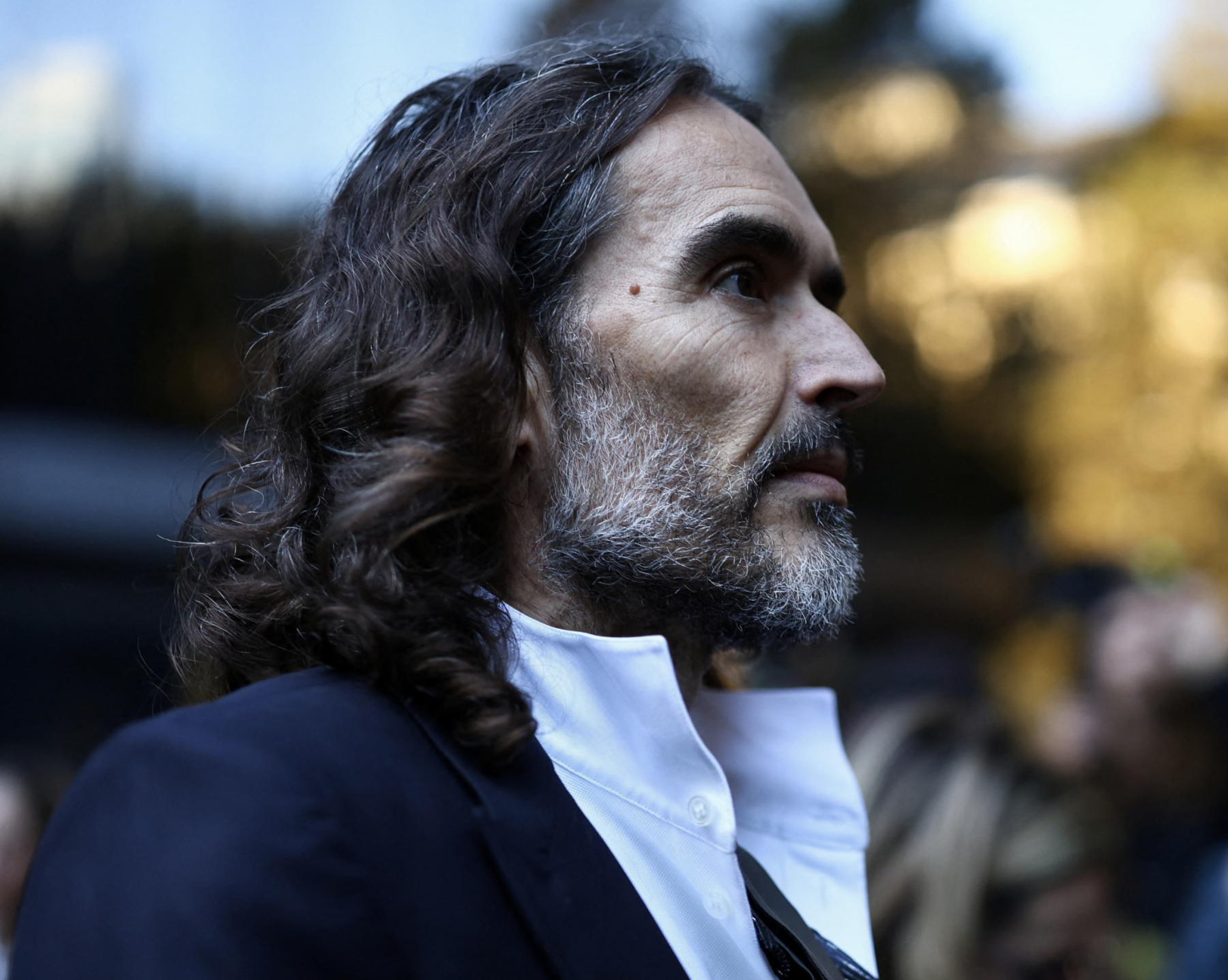
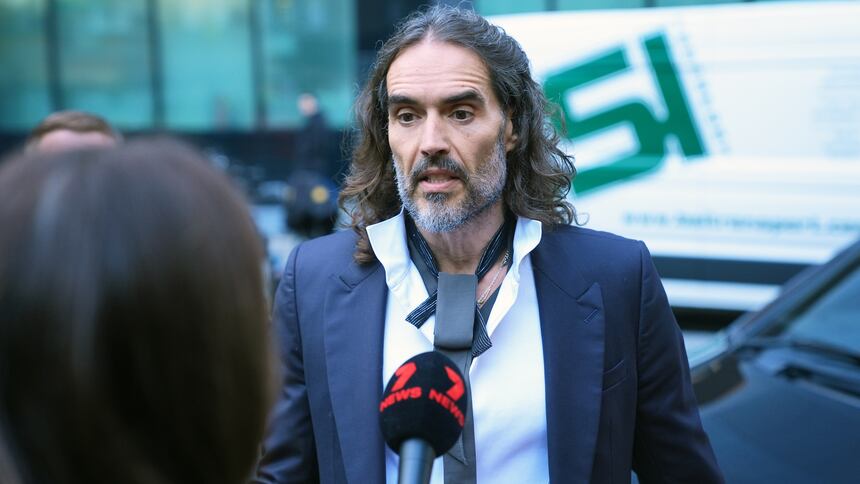
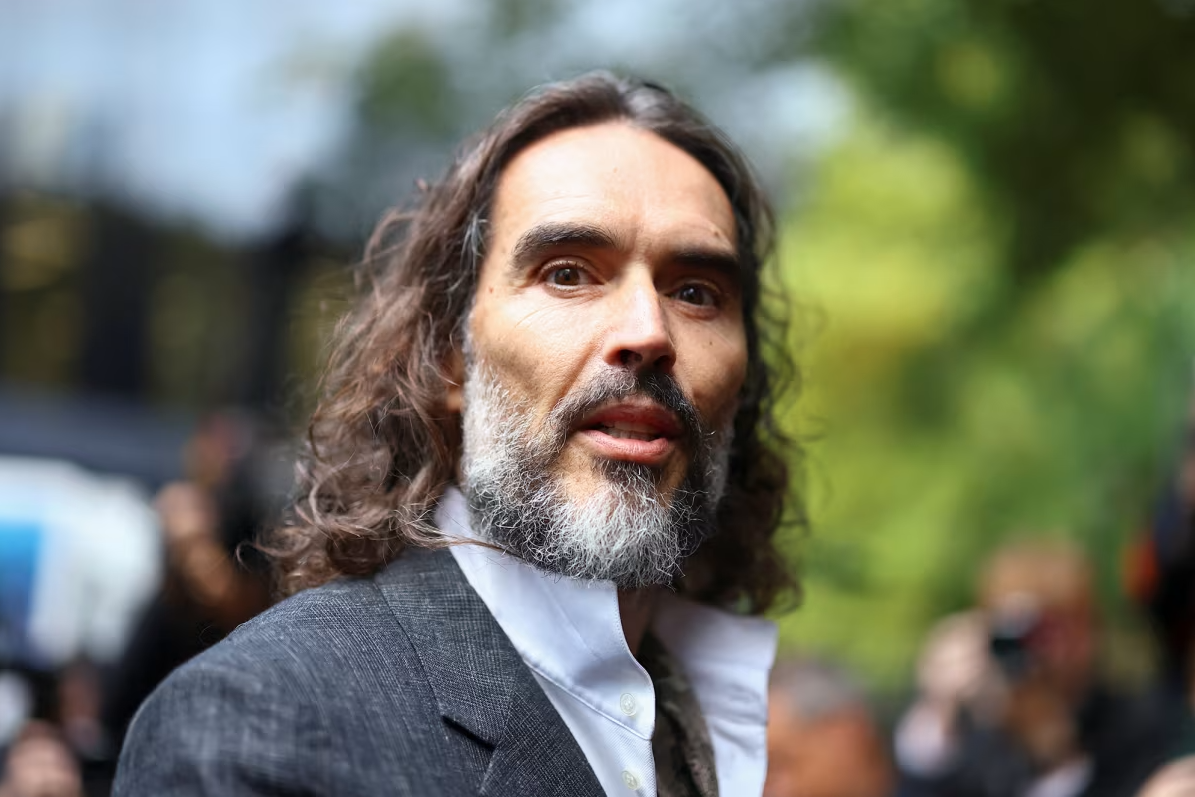
Russell Brand was in the witness box for more than four hours on Wednesday at his trial at Southwark crown court. He denies three counts of rape, three counts of sexual assault, and one charge of attempted indecent assault.
Six alleged victims say the comedian switched suddenly after appearing charming and forced them into sexual activity in a toilet, a hotel room, workplace corridors and his bedroom, acting as if nothing had happened after the attacks.
Here are the key themes and passages from Brand’s court appearance.
1. Obsession with sex
Brand said in evidence that he had an “obsession” with sex when he was younger, but denied setting himself a “goal” to sleep with 5,000 women.
He said: “I do recognise I have been a very determined and focused man and with regard to the latter, with women, of course, which is the subject of my trial, I’ve been persuasive, seductive, begging and flirting, and dedicated a lot of my life to what seems now beyond-reckless philandering and idiocy.”
Brand’s former friend, Mark Pinheiro, previously told the trial that Brand had boasted on a car journey to the Labour party conference in Bournemouth about his techniques for “pulling” women and allegedly revealed an ambition to sleep with 5,000 women.
Riel Karmy-Jones KC, prosecuting, asked Brand: “Is it a goal you may have had?” Brand said: “I don’t agree, I don’t recall the conversation you are referring to.”
Brand also suggested a reported conversation in 1999 about never leaving an interaction with a woman without a “conquest” was a riff on a Woody Allen joke.
A court sketch of Riel Karmy-Jones KC cross-examining Russell Brand in the dock. Photograph: Elizabeth Cook/PA
2. ‘Wrong’ to use fame for sex
Brand told jurors he now believed it was “wrong” of him to use his fame for sex. He said: “As I became more successful and famous I was very comfortable allowing that to facilitate sexual access which I agree with you was wrong.”One of Brand’s alleged victims says she was raped after she met him at one of his Hammersmith Apollo standup performances in 2009.The court heard he stored her name next to the letter T, which he said stood for “tart”. Asked what he meant by the word “tart”, he replied: “That was what I used to denote casual hook-ups.” He told jurors the woman had not said “no” or told him to stop as they were having sex.Another allegation is that Brand sexually assaulted a Channel 4 worker in 2009 during a recording session, after she had been forced by members of his entourage to give him a massage. Brand agreed that, while he says he cannot remember that day, it would have been “petulant and childish” to refuse to continue the recording without first receiving a massage.Asked if he had found thrusting his head into her lap funny, Brand replied: “I don’t remember. I don’t think it’s funny now.”
3. Consent
In his evidence Brand recalled only consensual encounters and told the court that “consent is more important than sex itself”.The prosecution claimed he had constructed his evidence in response to the allegations. Karmy-Jones accused Brand of staying silent on the accusations in his police interviews so that he “forged” his account around the evidence.“Were you waiting to see all that evidence before you gave your account?” she asked. Brand replied: “I was doing my best to participate.”
Court sketch of Russell Brand being questioned by his barrister, Ian Winter KC. Photograph: Elizabeth Cook/PA
4. Blamed the media
Brand blamed the media for his public fall from grace after reporting of sexual misconduct allegations in a 2023 Channel 4 Dispatches documentary and news stories. Asked about the impact of the Dispatches programme, Brand said: “It was devastating.”
Brand told the court that after the programme and the articles he was unable to stay with his son at Great Ormond Street hospital in London when he was having surgery. “Due to material that had been published in the public eye they had to bar my attendance and presence,” Brand said.
He added: “My entire life has been consumed by these allegations.”
5. Shunned by friends
Brand told the court he had been unable to persuade any friend or acquaintance to give evidence on his behalf. The defence barrister, Ian Winter KC, asked him: “Will they touch you with a bargepole?” Brand replied “No.
Brand described the last few years as “deeply traumatic” and told the court that focusing on the allegations and trying to remember incidents from his past had damaged his personal life.
You need to register to keep reading
It’s still free to read – this is not a paywall
To view the article, you need to login as a member of the site. If you do not have an account, you can register by clicking Register for free. Then refresh the page to read the article.