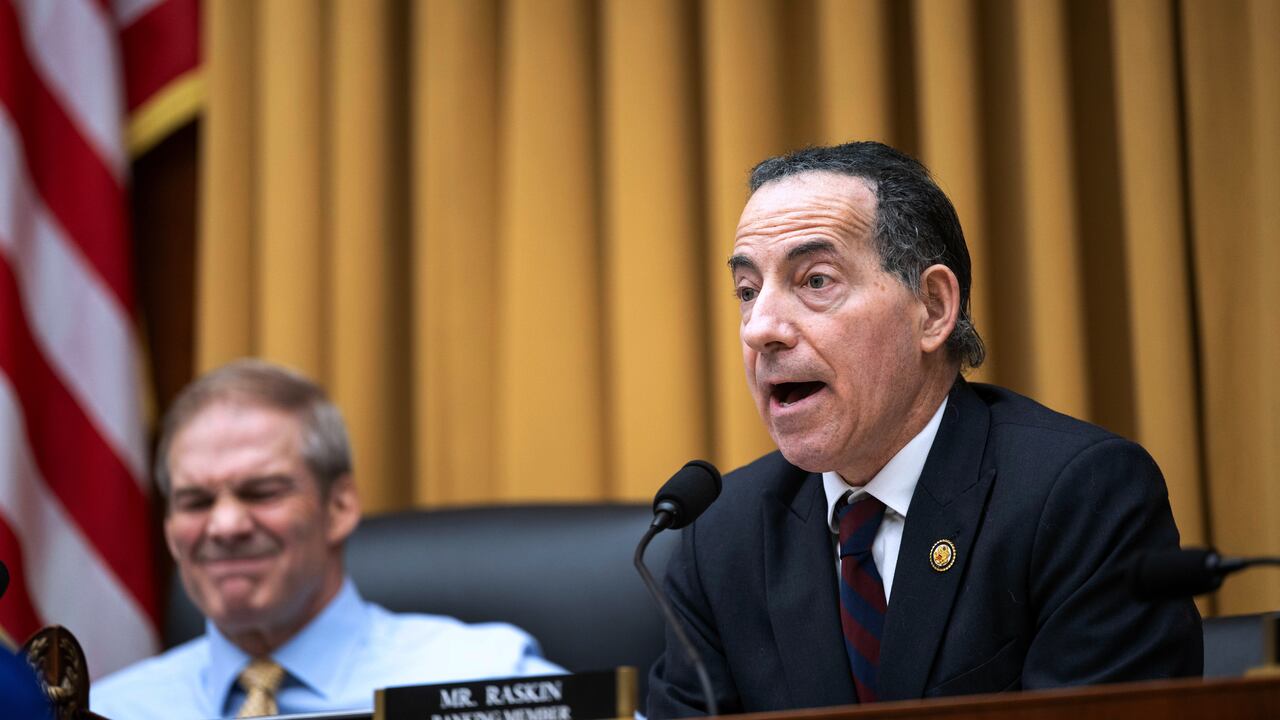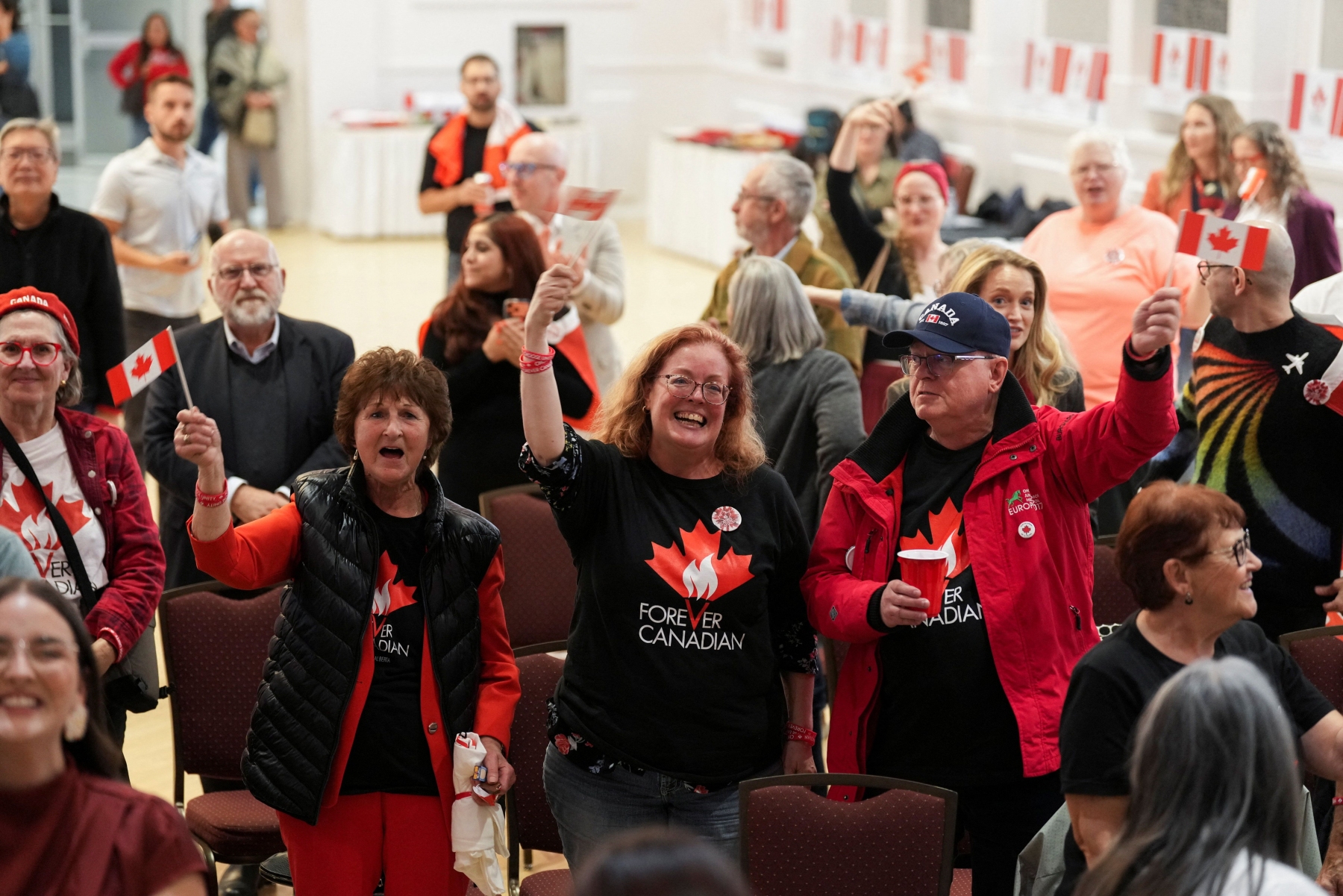

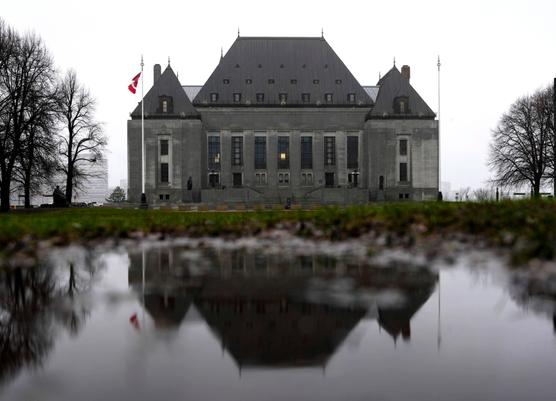
Canada's Supreme Court settled a landmark case that tested the country's constitution. Secularism is a core issue in Quebec, where the Catholic Church held huge influence over public life until the so-called Quiet Revolution of the 1960s and 1970s.
Le Monde with AFP
Canada's Supreme Court on Friday, November 27, ruled a Quebec law banning a range of public officials from wearing religious symbols at work was largely valid, settling a landmark case that tested Canada's constitution.
The court upheld the controversial law with one exception, ruling provincial lawmakers should be allowed to wear religious symbols in the legislature. Chief Justice Richard Wagner wrote that the law, known as Bill 21, "is rooted in Quebec's legitimate and historical commitment to ensuring the [secularism] of the state in a free and democratic society."
The Quebec case was also a major test of how far provinces can go in defying provisions of the federal constitution by invoking the so-called "notwithstanding clause." That clause, a quirk of Canada's legal system, effectively allows provincial governments to pass laws that may breach Canada's constitution, known as the Charter of Rights and Freedoms.
Predominantly French-speaking Quebec preemptively invoked the "notwithstanding clause" when passing its secularism bill, anticipating it would be challenged over constitutional protections guaranteeing freedom of religion and expression.
Conservative-led provinces have also invoked the clause to defend legislation relating to transgender youth. In 2023, Saskatchewan used the clause to pass a law requiring schools to obtain parental consent before changing the pronouns used for children under 16. Alberta has also invoked the clause in relation to laws banning transgender girls from participating in female sports and restricting hormone therapy for individuals under 16.
Opponents of the Quebec bill immediately condemned the court's decision, saying it raised questions about the sanctity of rights within Canada's federal system.
'Victory for secularism'
Secularism is a core issue in Quebec, where the Catholic Church held huge influence over public life until the so-called Quiet Revolution of the 1960s and 1970s.
Friday's ruling came just weeks after the provincial election victory of the separatist and staunchly secular Parti Quebecois, which has promised to broaden restrictions on religion in public institutions. Separatist Premier Paul St-Pierre Plamondon called the ruling "a victory for secularism."
Prime Minister Mark Carney voiced respect for the independence of the court, but hinted at concern over the impact of the law, which critics insist has prevented people of various faiths from pursuing certain jobs. "Our country is stronger, fairer when everyone belongs, everyone has an opportunity to thrive and flourish within their identity and that minorities are protected," Carney said.
Canada's notwithstanding clause is a product of a political compromise from the 1980s, when the country was trying to repatriate its constitution, changing it from an act of the British parliament to an entirely Canadian document that only Canadian lawmakers could change.
The federal government included the notwithstanding clause to ease concern among provinces about excessive federal, judicial influence.