James Shotter in Jerusalem
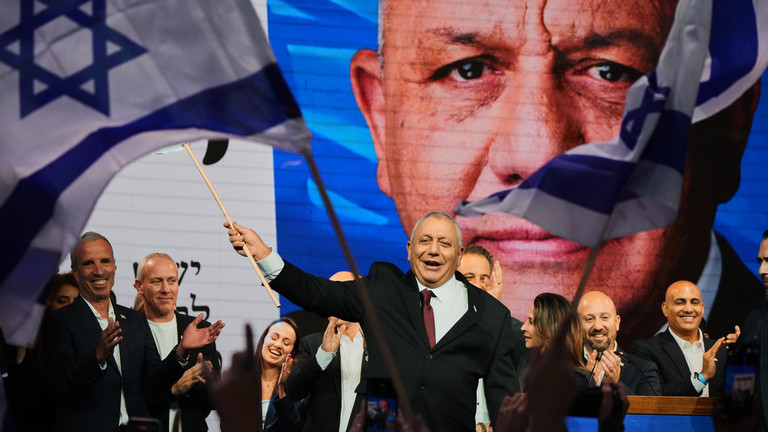
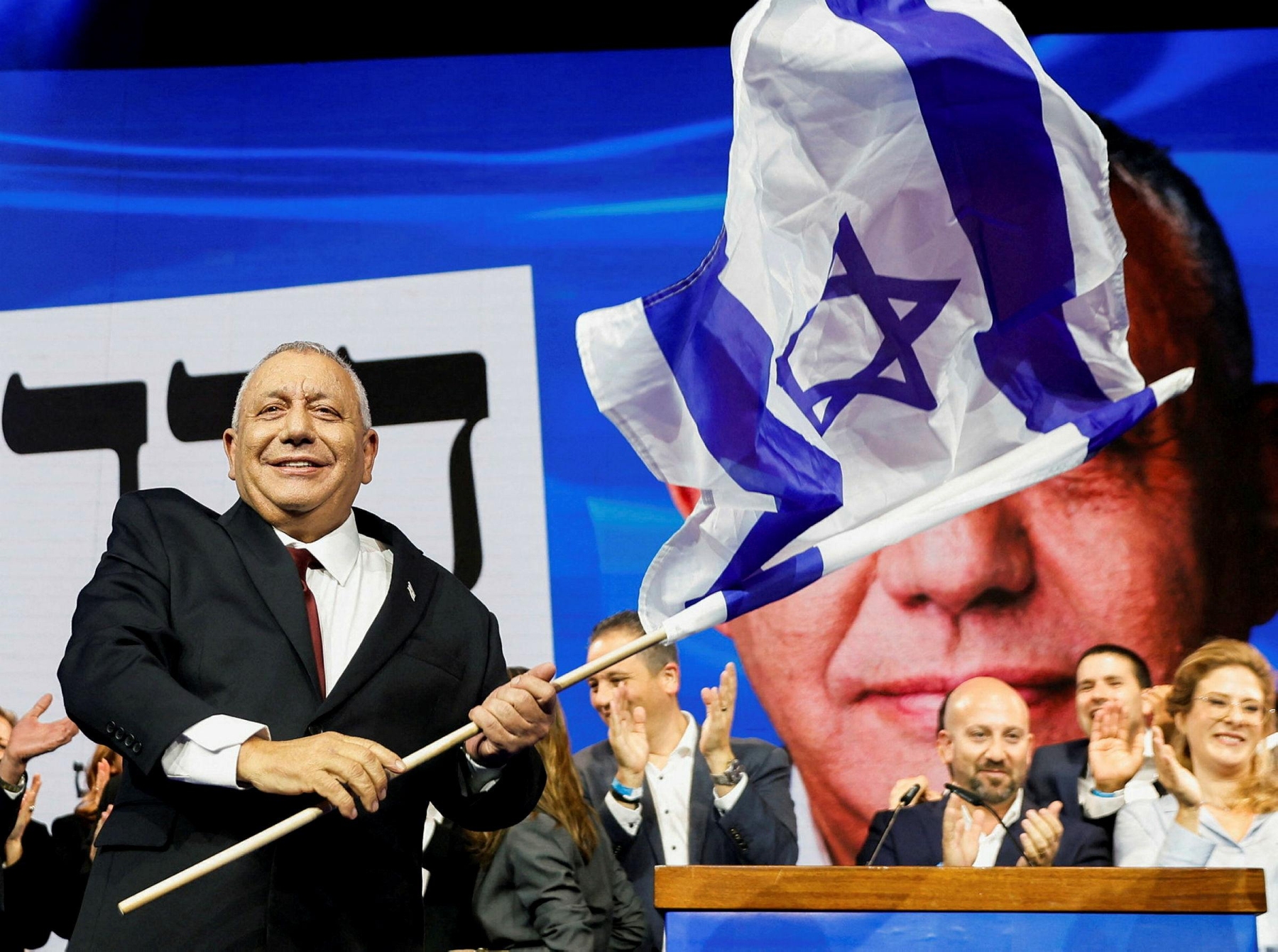
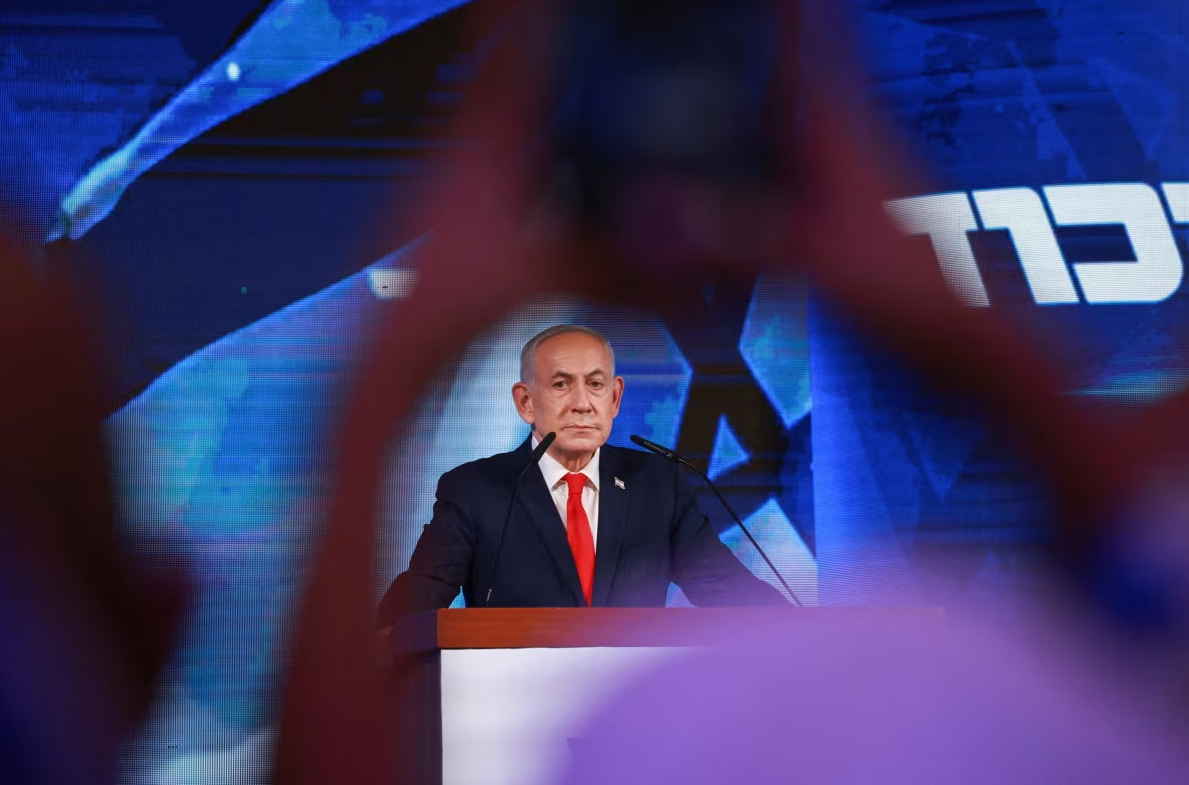
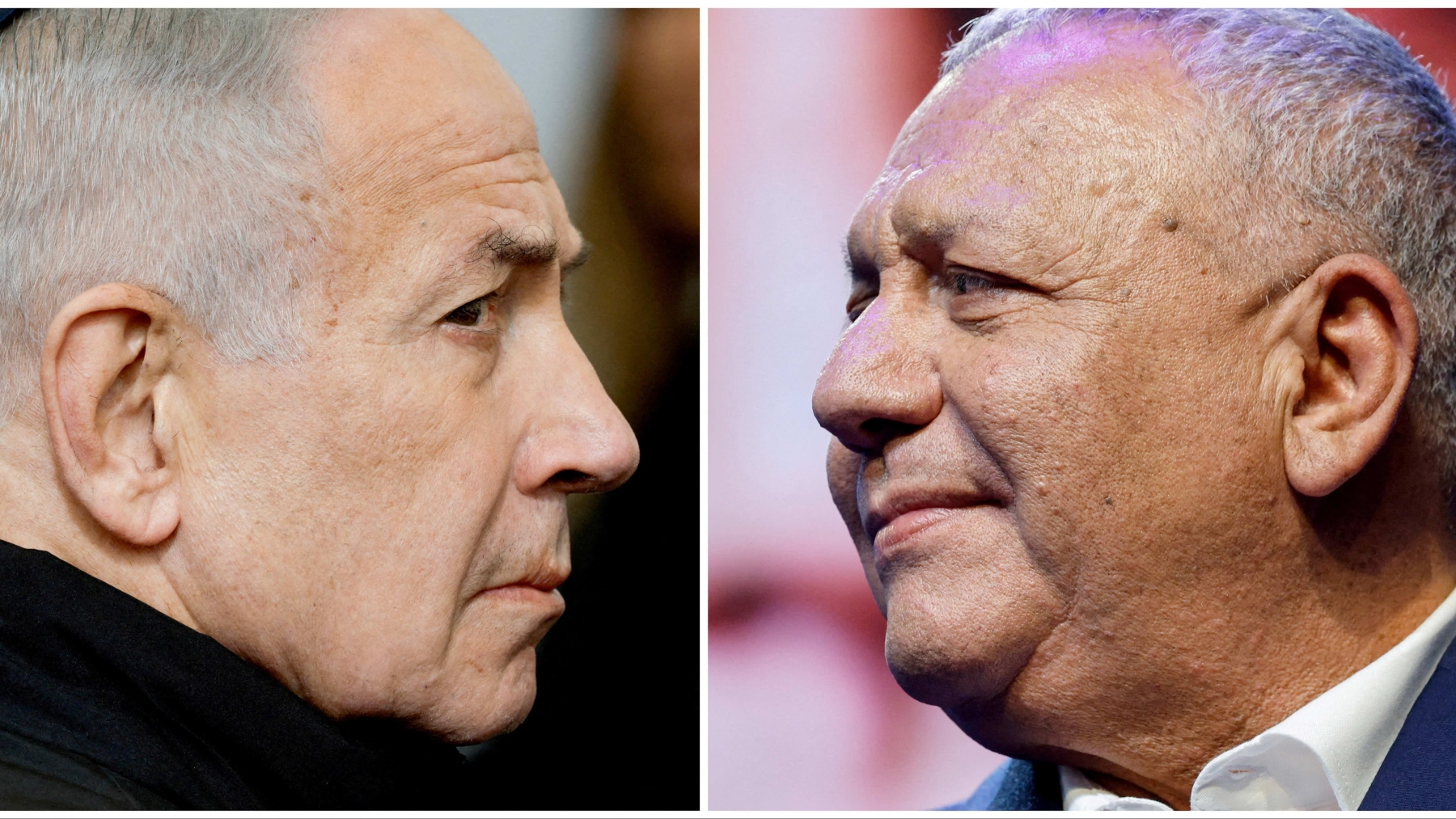
Benjamin Netanyahu said he would be prepared to let his rival Gadi Eisenkot serve as prime minister first if they form a unity government, as the Israeli premier battles to cling to power in the wake of an inconclusive election.
Neither Netanyahu’s far-right coalition nor a bloc of opposition parties centred on Eisenkot’s Yashar party emerged from last month’s election with a majority, ushering in a period of horse-trading as both blocs try to create one.
In a bid to break the deadlock and oust Netanyahu, Eisenkot’s bloc has held talks with an ultra-Orthodox party that has long been one of Netanyahu’s allies, while some members of the bloc have argued that it should work with Israel’s two Arab parties to form a government.
However, Netanyahu has repeatedly called on Eisenkot to form a national unity government with his Likud party instead and, in a statement on Saturday night, said for the first time that he would be prepared to cede the first stint as premier in such a government to Eisenkot.
“I am prepared to agree that Gadi Eisenkot serve first as Prime Minister, while I serve as Alternate Prime Minister for the initial part of the term,” Netanyahu said.
“I expect that, in light of this concession of mine, we will immediately begin genuine, sincere and accelerated negotiations — characterised by a similar willingness on the other side to make compromises and concessions — aimed at establishing a national unity government.”
Netanyahu’s announcement came after a week in which Eisenkot appeared to be making progress towards putting together a coalition to replace him. He inked a deal with the leftwing Democrats on Thursday, following a similar agreement with the rightwing Yisrael Beiteinu party on Tuesday.
In a step that could further increase Eisenkot’s options, Mansour Abbas, head of Ra’am, Israel’s second-largest Arab party, on Saturday confirmed his party’s position that Hamas is a terror organisation. This would appear to meet one of the conditions that Eisenkot set for any party wishing to join his coalition.
Eisenkot said in response to Netanyahu’s statement that Likud had spent the past three weeks refusing to engage seriously with Yashar, but that he was prepared to meet with Netanyahu to see if his party “is ready for genuine unity”.
Netanyahu subsequently said the two men had agreed to meet on Sunday.
Members of Eisenkot’s bloc dismissed Netanyahu’s gambit as a cynical ploy and urged the former general to ignore it.
“Netanyahu’s proposal is yet another transparent con by a serial deceiver who has cheated every partner and broken every agreement,” Yair Lapid, the second most important politician in the B’Yachad grouping, wrote on X.
“The only way to test [Netanyahu’s] proposal is to swear in a government led by Eisenkot, and only then can negotiations begin on the possibility of expanding it,” he added.
Yair Golan, head of the Democrats, who has repeatedly argued that Eisenkot’s bloc should work with Israel’s two Arab parties to build a working majority, said that Netanyahu’s move showed that he had “lost”.
“Enough with the stunts and tricks,” he wrote on X. “It is our duty to respect the will of the voters and form a government of change.”
Naftali Bennett, the leader of B’Yachad and the sole member of Eisenkot’s bloc who backs a unity government with Netanyahu, was more circumspect, saying that the “burden of proof now lies with Netanyahu to show that this is genuine”.
Former defence minister Avigdor Lieberman, who heads Yisrael Beiteinu, warned on Thursday that Netanyahu could seek to drag out negotiations over a unity government until the last minute in order to prevent Eisenkot from forming an alternative coalition without him.
Eisenkot has until December 6 to form a new administration, although he can ask for this period to be extended by two weeks. Should he fail, Israel’s president Isaac Herzog can give another politician — likely to be Netanyahu — a chance to form a government instead.
Additional reporting by Neri Zilber in Tel Aviv