
As midterm elections approach, the Trump administration is favoring economic pressure over military involvement, with Treasury Secretary Scott Bessent announcing Monday some 60 new Iranian entities, individuals and ships have been added to the sanctions list. Tehran in turn denounced 'economic terrorism.'
By Piotr Smolar
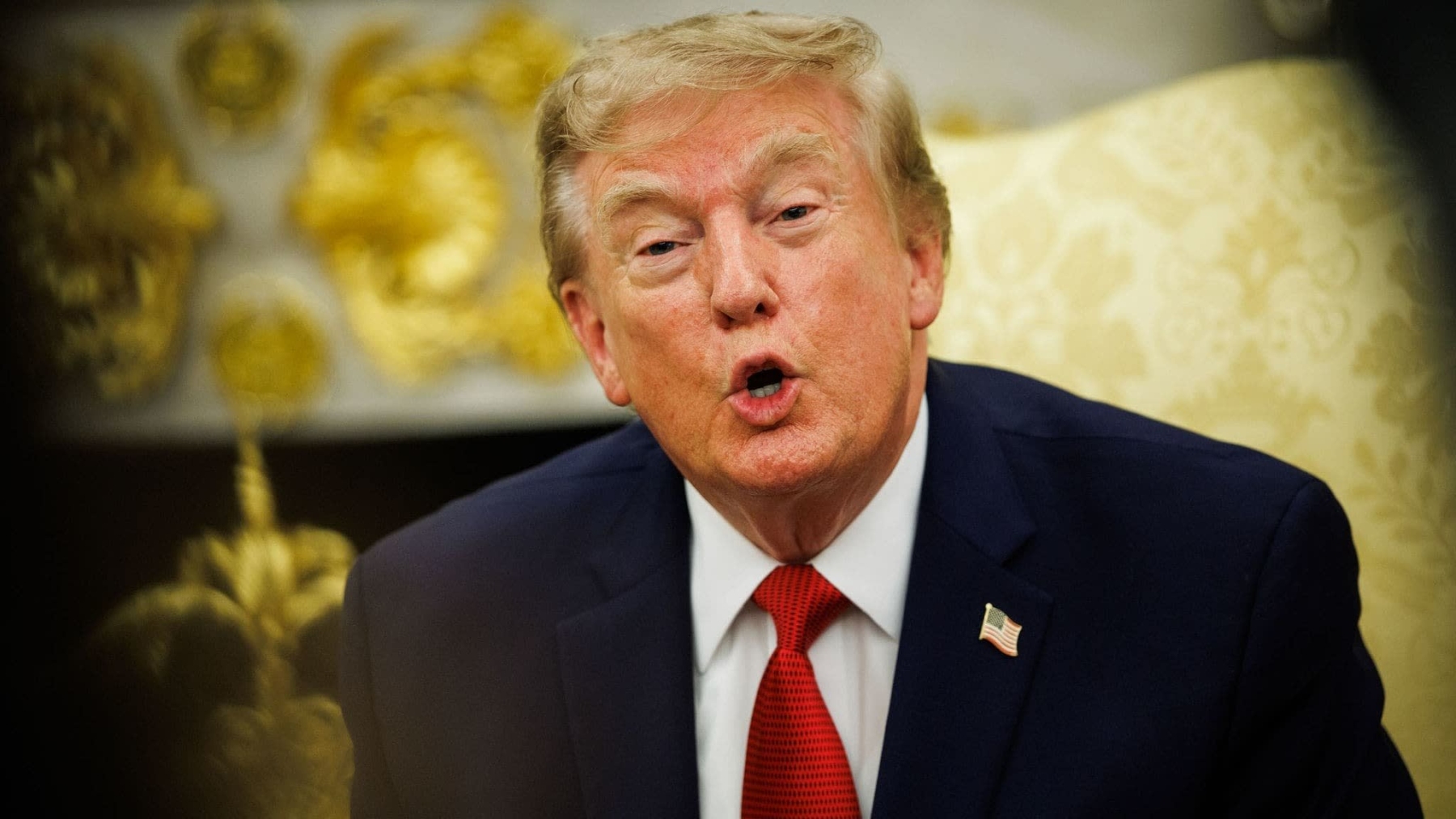
Six months after the start of military operations against Iran, the United States has found itself in a state of limbo. Neither war nor peace. Neither the promised overwhelming victory nor a humiliating withdrawal of the forces deployed in the region. Refusing to acknowledge the reality of this strategic drift, which has led to a worrying reduction in sophisticated missile stockpiles, President Donald Trump has chosen to return to an option already used by successive US administrations: economic sanctions. "Iran is completely collapsing," Trump claimed on his Truth Social network on Monday, August 24.
A few days earlier, his administration had promised an "economic D-Day," referring to the Normandy landings on June 6, 1944. Trump called on all allies to join him and issued a warning to those who might take part in parallel channels that would allow Tehran to export its oil, risking exposure to secondary US sanctions. "Any country that allows its financial institutions, businesses, airports or government entities to provide any type of lifeline to Iran will itself face tremendous economic consequences," he warned.
You have 87.4% of this article left to read. The rest is for subscribers only.